



General EV Conversation

Lexus Fanatic


Joined: Sep 2010
Posts: 25,962
Likes: 4,291
From: Alberta

Cold weather testing was a bit of a fail, it didn't get as cold as I would have liked. Reported this morning was -34 it was actually -33 for me. Gas car started (no block heater) but it wasn't happy took 3 tries, crank for 5 seconds each time. Engine sounds like it's going to blow up but after a few minutes it sounded normal. Fuel mixture is insanely rich at -33 almost raw gas. Suspension barely exists at -33 tires and shocks are hard as a rock. Door actuators operated very slowly one door didn't unlock at all. Keep in mind the car is 37 years old. Steering felt great. Brakes very stiff the first few applications.
Tesla didn't care at all except the screen is super duper laggy to put it mildly it barely responds. And I have to use with bare fingers. Drove the car immediately after getting in didn't feel as much like a covered wagon but still stiff. Took about 25 minutes before the cabin was getting toasty I consider that pretty good. Take-away is extreme cold weather performance was better than I was expecting in the Tesla. Streets are very icy right now road salt doesn't do anything at -30 but the weight of the Tesla + winter tires and you barely notice. Camry is a bit sketchy, it's a pretty light car and only FWD. And no ABS.
Of course getting into a stone cold Tesla is silly pre-heat the car for at least a short time no need to torture yourself. Car is going in the garage, even though there is a heater I don't use it this greatly accelerates rust. But the garage is partly below grade temps are about 10 degrees warmer than ambient because of this.
Tesla didn't care at all except the screen is super duper laggy to put it mildly it barely responds. And I have to use with bare fingers. Drove the car immediately after getting in didn't feel as much like a covered wagon but still stiff. Took about 25 minutes before the cabin was getting toasty I consider that pretty good. Take-away is extreme cold weather performance was better than I was expecting in the Tesla. Streets are very icy right now road salt doesn't do anything at -30 but the weight of the Tesla + winter tires and you barely notice. Camry is a bit sketchy, it's a pretty light car and only FWD. And no ABS.
Of course getting into a stone cold Tesla is silly pre-heat the car for at least a short time no need to torture yourself. Car is going in the garage, even though there is a heater I don't use it this greatly accelerates rust. But the garage is partly below grade temps are about 10 degrees warmer than ambient because of this.

Lexus Fanatic


Joined: May 2012
Posts: 68,486
Likes: 3,997
From: Maryland
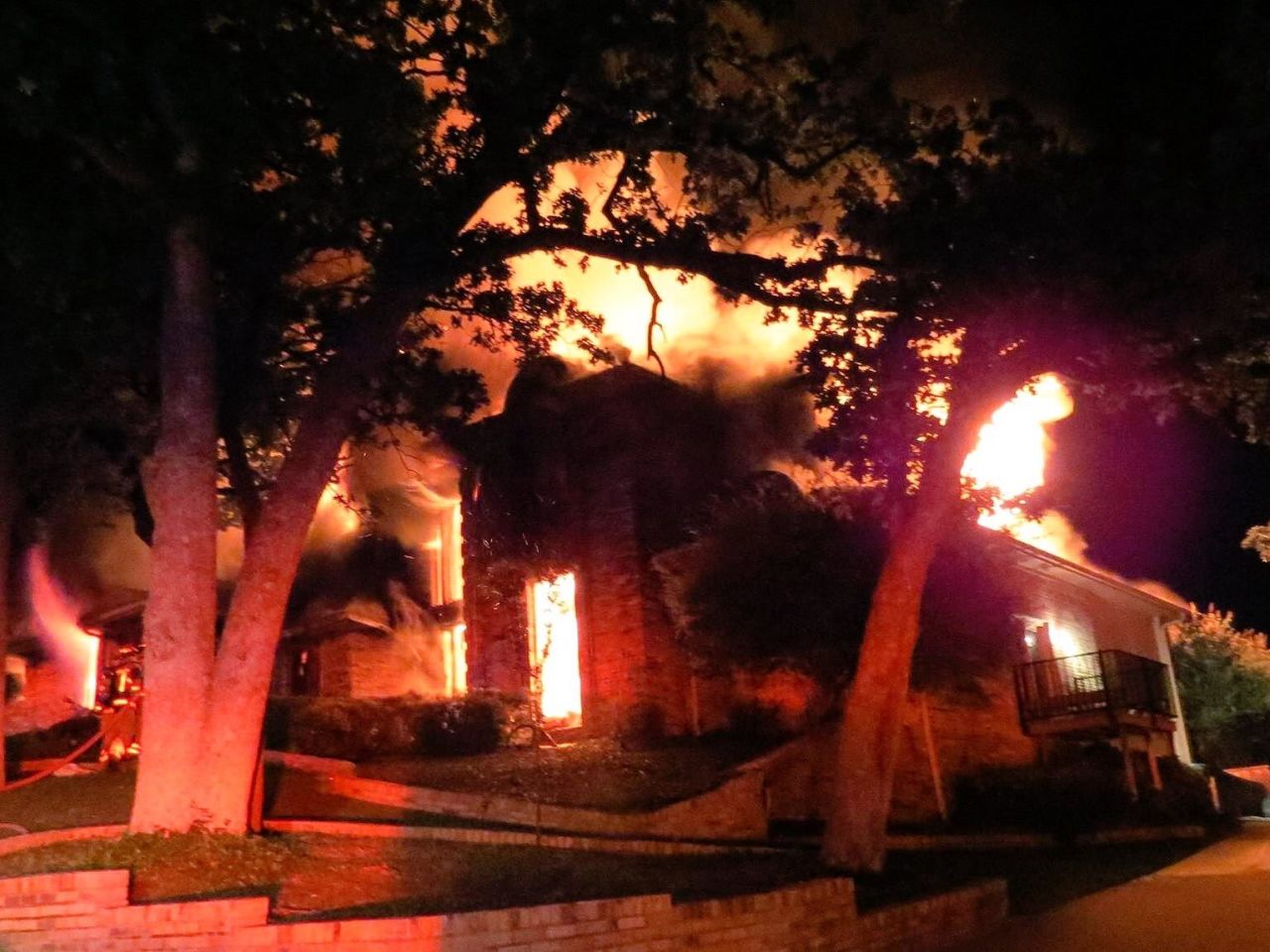
if there are more houses going up in flames, then regulators are going to push for more stringent design standards on battery management systems and batteries.
There will be a point where emergency services will not be able to deal with these fires when EV adoption reach a certain threshold and if battery design and if manufacturing quality / QA doesn’t improve.
There will be a point where emergency services will not be able to deal with these fires when EV adoption reach a certain threshold and if battery design and if manufacturing quality / QA doesn’t improve.
These fires were caused by laptops:


Charging iPhone:


Lexus Champion


Joined: Oct 2019
Posts: 19,656
Likes: 3,748
From: California
"Model S, Model 3, Model X and Model Y have achieved among the lowest overall probability of injury of any vehicles ever tested by the U.S. government’s New Car Assessment Program. Much of this has to do with the rigid, fortified structure of the battery pack that is mounted to the car’s floor, which provides a vehicle with exceptional strength, large crumple zones, and a uniquely low center of gravity. Because of their strength, Tesla’s battery packs rarely incur serious damage in accidents. And, in the extremely unlikely event that a fire occurs, the state-of-the-art design of our battery packs ensures that its safety system works as intended and isolates a fire to select areas within the battery while simultaneously venting heat away from the passenger cabin and the vehicle"
https://www.tesla.com/VehicleSafetyR...in%20accidents.
Battery packs are completely reinforced


Lead Lap


Joined: Aug 2001
Posts: 4,528
Likes: 932
The flaw in your logic is that you assume that EVs are more likely to be involved in fires than an ICE car and statistics show that isn't true. There is a reality when dealing with Li-ion batteries and fires, this is true with batteries in phones, computers, everything. In that very video they discuss that. This fire blanket is a great example of firefighting techniques evolving to meet the realities of fighting fires in a modern world.
Having more of stored energy in batteries in the household raises the risk of fire. More EV adds to that equation.
I have so many batteries from household and gardening tools that I store them in a fireproof bag now.
Yes, stats shows more ICE fires compared to EV proportionally. But there are no stats which compares both for relatively new cars, sitting in the garage at home. Until such stat comes out, then can’t be proven in either direction. Would be good if these stats can be broken down by brands. Ie Jag, BMWs, Teslas etc
Lexus Fanatic
Joined: Sep 2010
Posts: 25,962
Likes: 4,291
From: Alberta
Hybrid and plug-in hybrids have the highest fire risk. Gas next, EV the least by far
Hybrid-powered cars were involved in about 3,475 fires per every 100,000 sold. Gasoline-powered cars, about 1,530. Electric vehicles (EVs) saw just 25 fires per 100,000 sold
source
source
Lead Lap
Joined: Aug 2001
Posts: 4,528
Likes: 932
Also I would bet lots of ICE fires are also attributed to modified cars, street racing etc - rarer in the EV crowd.
ClubLexus Stories
Celebrating Lexus & Toyota from Around the Globe
8 Tips for Improving Your Hybrid or Plug-in Hybrid's Efficiency!
Michael S. Palmer
10 Best Lexus Models No One Remembers
Joe Kucinski
TRD Off-Road Premium: Best 2026 4Runner, Except This One Thing
Michael S. Palmer
Top 10 Lexus & Toyotas to Drive Before You Die!
Joe Kucinski
Top 10 Lexus/Toyotas With The LEAST 5-Year Depreciation
Joe Kucinski
Lexus LC500 Convertible Auction: A Preview of Rising Values?
Brett Foote
GX 550 vs TX 550: Best 3-Row Luxury Lexus Family Hauler
Michael S. Palmer
9 Best Lexus Models You Can Buy for Half Price (And 1 You Shouldn't!)
Joe Kucinski
2026 Lexus NX Buyer's Guide: Models, Features, Prices & More!
Brett Foote
Lexus Champion
Joined: Oct 2019
Posts: 19,656
Likes: 3,748
From: California
My friend has a 2018 Model 3 he's been charging in his garage to this day. Millions of people here charge their EV's in their garage. If what you were saying were true, I would be seeing hundreds, if not thousands of houses burning down due to EV. EV's more likely catch fire supercharging then home charging, and supercharging fires are extremely rare
Lexus Fanatic
Joined: Sep 2010
Posts: 25,962
Likes: 4,291
From: Alberta
Also I would bet lots of ICE fires are also attributed to modified cars, street racing etc - rarer in the EV crowd.
Lexus Fanatic
Joined: Sep 2010
Posts: 25,962
Likes: 4,291
From: Alberta
Risk is relative. I could say a gas car has a higher risk of fire in a garage if it is leaking fuel. Driving around you might not notice, park in a garage it accumulates and blows up your house. That's why we look at data not talk about hypotheticals as if they represent the whole.
Lead Lap
Joined: Aug 2001
Posts: 4,528
Likes: 932