



General EV Conversation

Lead Lap


Joined: Sep 2020
Posts: 3,958
Likes: 409

Speed vs Range tested by Car and Driver
“When talking about highway speeds, the difference between 55 mph and 75 mph is a loss of 88 miles of range in the Lucid Air and 109 miles in the Kia EV9. Bumping up the cruising speed from 70 to 80 mph reduces the Air's range by about 40 miles and the EV9's by roughly 45.”
I’m an 80s mph roadtrip driver. What about you guys and gals?
STEADY-STATE CRUISING SPEED THAT EQUATES TO EPA COMBINED RANGE
- Lucid Air Pure: 47 mph
- Kia EV9: 66 mph
- Subaru Forester: 77 mph
“When talking about highway speeds, the difference between 55 mph and 75 mph is a loss of 88 miles of range in the Lucid Air and 109 miles in the Kia EV9. Bumping up the cruising speed from 70 to 80 mph reduces the Air's range by about 40 miles and the EV9's by roughly 45.”
I’m an 80s mph roadtrip driver. What about you guys and gals?

Lexus Champion


Joined: Oct 2019
Posts: 19,796
Likes: 3,789
From: California
Speed vs Range tested by Car and Driver
“When talking about highway speeds, the difference between 55 mph and 75 mph is a loss of 88 miles of range in the Lucid Air and 109 miles in the Kia EV9. Bumping up the cruising speed from 70 to 80 mph reduces the Air's range by about 40 miles and the EV9's by roughly 45.”
I’m an 80s mph roadtrip driver. What about you guys and gals?
STEADY-STATE CRUISING SPEED THAT EQUATES TO EPA COMBINED RANGE
- Lucid Air Pure: 47 mph
- Kia EV9: 66 mph
- Subaru Forester: 77 mph
“When talking about highway speeds, the difference between 55 mph and 75 mph is a loss of 88 miles of range in the Lucid Air and 109 miles in the Kia EV9. Bumping up the cruising speed from 70 to 80 mph reduces the Air's range by about 40 miles and the EV9's by roughly 45.”
I’m an 80s mph roadtrip driver. What about you guys and gals?
Lead Lap
Joined: Sep 2020
Posts: 3,958
Likes: 409
We have 75-85mph speed limits down here.
In order for the Lucid Air to achieve its EPA range it has to drive 47mph

You mentioned couple days ago about your 100+mpge but I look at overall range. Example the GM has a huge battery but it has impressive range despite it being inefficient.

Lexus Champion
Joined: Oct 2019
Posts: 19,796
Likes: 3,789
From: California
We have 75-85mph speed limits down here.
In order for the Lucid Air to achieve its EPA range it has to drive 47mph
You mentioned couple days ago about your 100+mpge but I look at overall range. Example the GM has a huge battery but it has impressive range despite it being inefficient.
In order for the Lucid Air to achieve its EPA range it has to drive 47mph
You mentioned couple days ago about your 100+mpge but I look at overall range. Example the GM has a huge battery but it has impressive range despite it being inefficient.

Lexus Fanatic


Joined: May 2012
Posts: 68,919
Likes: 4,122
From: Maryland
Big GM EV SUVs being inefficient is no different than big GM ICE SUVs being inefficient. They make up for it with huge batteries, and in their ICE models huge gas tanks
Last edited by SW17LS; Jul 29, 2025 at 10:49 AM.
Lexus Champion
Joined: Oct 2019
Posts: 19,796
Likes: 3,789
From: California
You leave out that the EPA estimated range is over 500 miles. Lucid Air Tourings will get over 400 miles of range at those speeds, which is plenty.
Big GM EV SUVs being inefficient is no different than big GM ICE SUVs being inefficient. They make up for it with huge batteries, and in their ICE models huge gas tanks
Big GM EV SUVs being inefficient is no different than big GM ICE SUVs being inefficient. They make up for it with huge batteries, and in their ICE models huge gas tanks
ClubLexus Stories
Celebrating Lexus & Toyota from Around the Globe
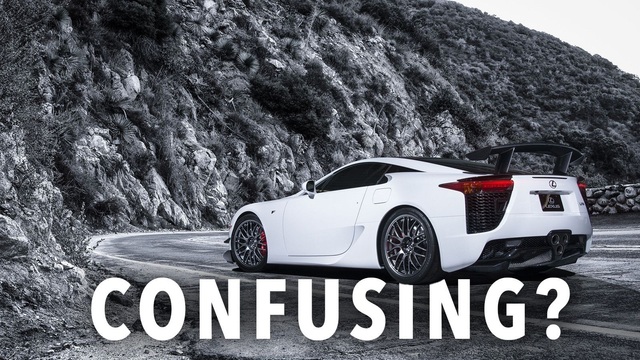
Top 10 Most Confusing Things Lexus Has Ever Done!
Joe Kucinski
2026 Lexus ES Review: Lexus Re-Embraces Founding Principles
Michael S. Palmer
10 Lexus Bargains That are Cheaper Than a New Toyota RAV4
Joe Kucinski
8 Weirdest Things Lexus Has Ever Built
Verdad Gallardo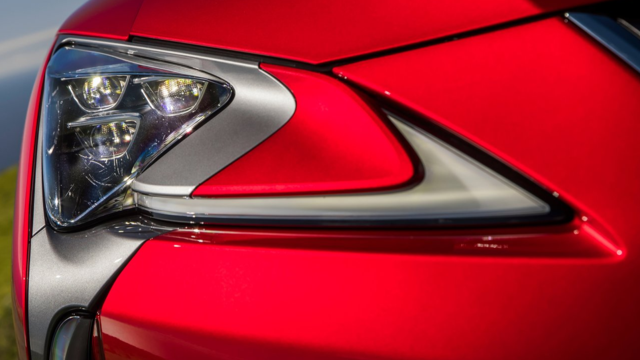
10 Lexus Designs That Have Aged Like Fine Wine
Verdad Gallardo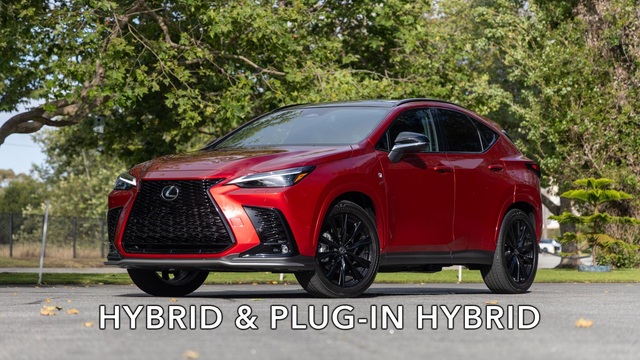
8 Tips for Improving Your Hybrid or Plug-in Hybrid's Efficiency!
Michael S. Palmer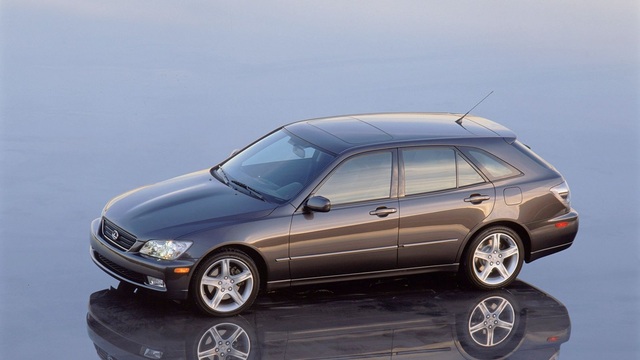
10 Best Lexus Models No One Remembers
Joe Kucinski
TRD Off-Road Premium: Best 2026 4Runner, Except This One Thing
Michael S. Palmer
Top 10 Lexus & Toyotas to Drive Before You Die!
Joe Kucinski
Lead Lap
Joined: Sep 2020
Posts: 3,958
Likes: 409
IMO that is the wrong way to look at it when it comes to EV's. To me, efficiency is more important than just slapping in a giant battery, which adds weight (which creates inefficiency) and expense, which is why the GM trucks are so heavy and expensive. Otherwise just stick with ICE if it's such a concern. Again, just my opinion
Example, I would rather charge once reaching destination rather than charging before reaching my destination. But I don’t want to sacrifice and drive under the speed limit to do so. Because correct me if I’m wrong even with the smaller more efficient battery, it suggests you to charge enough to get to either next charging stop or your destination whichever comes first.
Lexus Champion
Joined: Oct 2019
Posts: 19,796
Likes: 3,789
From: California
But sometimes having an “efficient” battery with shorter range may not be as time efficient having a bigger heavier battery with longer range right?
Example, I would rather charge once reaching destination rather than charging before reaching my destination. But I don’t want to sacrifice and drive under the speed limit to do so. Because correct me if I’m wrong even with the smaller more efficient battery, it suggests you to charge enough to get to either next charging stop or your destination whichever comes first.
Example, I would rather charge once reaching destination rather than charging before reaching my destination. But I don’t want to sacrifice and drive under the speed limit to do so. Because correct me if I’m wrong even with the smaller more efficient battery, it suggests you to charge enough to get to either next charging stop or your destination whichever comes first.
Lead Lap
Joined: Sep 2020
Posts: 3,958
Likes: 409
You leave out that the EPA estimated range is over 500 miles. Lucid Air Tourings will get over 400 miles of range at those speeds, which is plenty.
Big GM EV SUVs being inefficient is no different than big GM ICE SUVs being inefficient. They make up for it with huge batteries, and in their ICE models huge gas tanks
Big GM EV SUVs being inefficient is no different than big GM ICE SUVs being inefficient. They make up for it with huge batteries, and in their ICE models huge gas tanks
“We fit a curve to our data, to be able to estimate what steady-state cruising speed aligns with each vehicle's EPA range figures. For the Lucid Air, it's a mere 47 mph to achieve its 419-mile range figure. But the window-sticker number is a combined figure, and—although it doesn't appear on the label—there's also an EPA highway figure. For the Lucid, its 410-mile EPA highway range matches a marginally higher cruising speed of 49 mph.”
Are we talking about 2 different cars? I was referencing the vehicles used in the article.
Lexus Champion
Joined: Oct 2019
Posts: 19,796
Likes: 3,789
From: California
From the article
“We fit a curve to our data, to be able to estimate what steady-state cruising speed aligns with each vehicle's EPA range figures. For the Lucid Air, it's a mere 47 mph to achieve its 419-mile range figure. But the window-sticker number is a combined figure, and—although it doesn't appear on the label—there's also an EPA highway figure. For the Lucid, its 410-mile EPA highway range matches a marginally higher cruising speed of 49 mph.”
Are we talking about 2 different cars? I was referencing the vehicles used in the article.
“We fit a curve to our data, to be able to estimate what steady-state cruising speed aligns with each vehicle's EPA range figures. For the Lucid Air, it's a mere 47 mph to achieve its 419-mile range figure. But the window-sticker number is a combined figure, and—although it doesn't appear on the label—there's also an EPA highway figure. For the Lucid, its 410-mile EPA highway range matches a marginally higher cruising speed of 49 mph.”
Are we talking about 2 different cars? I was referencing the vehicles used in the article.
Lexus Fanatic
Joined: May 2012
Posts: 68,919
Likes: 4,122
From: Maryland
Yes, but are you really that much in a hurry to get to your destination? Remember, for regular driving you don't need to stop to charge, it's long trips, and it's usually no more than a 10 minute stop. If you are driving 400 miles for example, you may get to your destination 30 minutes later over a gas car. If saving 30 minutes is a big concern, than an EV is not for you

Lexus Fanatic

Joined: Sep 2010
Posts: 26,091
Likes: 4,346
From: Alberta
But sometimes having an “efficient” battery with shorter range may not be as time efficient having a bigger heavier battery with longer range right?
Example, I would rather charge once reaching destination rather than charging before reaching my destination. But I don’t want to sacrifice and drive under the speed limit to do so. Because correct me if I’m wrong even with the smaller more efficient battery, it suggests you to charge enough to get to either next charging stop or your destination whichever comes first.
Example, I would rather charge once reaching destination rather than charging before reaching my destination. But I don’t want to sacrifice and drive under the speed limit to do so. Because correct me if I’m wrong even with the smaller more efficient battery, it suggests you to charge enough to get to either next charging stop or your destination whichever comes first.
Lexus Champion
Joined: Oct 2019
Posts: 19,796
Likes: 3,789
From: California
