


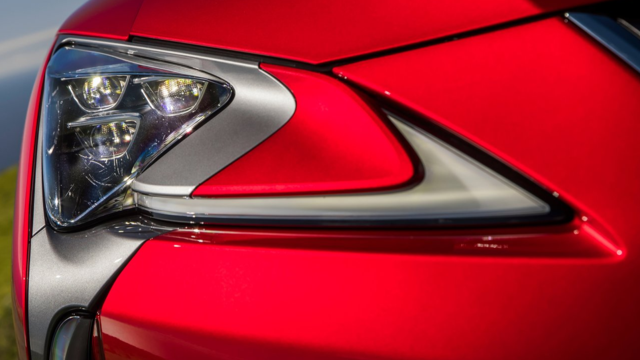
headlight moisture is killing me!!!
 headlight moisture is killing me!!!
So here's what I've been through for the last few days:
- got my clear lenses in
- disassembled my stocks using a heat gun
- did some internal mods (halos, etc.)
- removed most of the gray sticky gunk (as per OLT's guide)
- installed new lenses
- sealed outside perimeter with black rtv (as per OLT's guide)
- mounted headlamps to car
- headlamps were off by about 1/4" WHAT THE HELL MAN
- removed headlamps
- disassembled lamps again
- took 3 hours removing rtv/gray gunk with an Xacto
- spent another hour trimming new lenses 1/4" with a Dremel
- cleaned inside/outside of lense to remove all the Dremel dust
- installed lenses again
- sealed outside perimeter AGAIN with black rtv
- mounted headlamps to car - they fit right
- washed car, no leakage visible
- drove to the market, had HIDs on
- came out of the market
- saw A LOT of moisture inside lamps
I know I sealed the outside edges of the lense-to-assembly. Are the lamps supposed to be completely sealed to avoid this? There's only two places I can see where moisure might enter the assembly - through the small vent thingy at the bottom rear of the assembly, and through the main headlight bulb hole. could that be the culprit? I have to disassemble them yet another time, as I want to wipe and clean the moisture out of it (there's literally drops of water in certain areas), and I want to seal it right one last time. any ideas?
I did not take pics, as it's depressing to spend as much time as I did on the lamps - including the whole 1/4" size problem (and I thought stuff from Japan would fit right).
- got my clear lenses in
- disassembled my stocks using a heat gun
- did some internal mods (halos, etc.)
- removed most of the gray sticky gunk (as per OLT's guide)
- installed new lenses
- sealed outside perimeter with black rtv (as per OLT's guide)
- mounted headlamps to car
- headlamps were off by about 1/4" WHAT THE HELL MAN
- removed headlamps
- disassembled lamps again
- took 3 hours removing rtv/gray gunk with an Xacto
- spent another hour trimming new lenses 1/4" with a Dremel
- cleaned inside/outside of lense to remove all the Dremel dust
- installed lenses again
- sealed outside perimeter AGAIN with black rtv
- mounted headlamps to car - they fit right
- washed car, no leakage visible
- drove to the market, had HIDs on
- came out of the market
- saw A LOT of moisture inside lamps
I know I sealed the outside edges of the lense-to-assembly. Are the lamps supposed to be completely sealed to avoid this? There's only two places I can see where moisure might enter the assembly - through the small vent thingy at the bottom rear of the assembly, and through the main headlight bulb hole. could that be the culprit? I have to disassemble them yet another time, as I want to wipe and clean the moisture out of it (there's literally drops of water in certain areas), and I want to seal it right one last time. any ideas?
I did not take pics, as it's depressing to spend as much time as I did on the lamps - including the whole 1/4" size problem (and I thought stuff from Japan would fit right).
Make sure you put sealant on the inner grooves so that when you assemble it some sealant should squeeze out. Add some more sealant to the outer perimeter just to be safe.
Also, instead of using a heat gun try popping them into the oven for a few minutes. This evenly heats up the assembly so you can mold it back together. While the sealant and plastic is still soft, hand assemble the lamp as tight as you can (use a rag so you don't burn your hands). Afterwards, zip tie the whole assembly as tight as you can and let it cool down.
AAC Style explains how to do this in their halo install vid here: http://youtube.com/watch?v=P-q0SVALfus
Good luck with it!
Also, instead of using a heat gun try popping them into the oven for a few minutes. This evenly heats up the assembly so you can mold it back together. While the sealant and plastic is still soft, hand assemble the lamp as tight as you can (use a rag so you don't burn your hands). Afterwards, zip tie the whole assembly as tight as you can and let it cool down.
AAC Style explains how to do this in their halo install vid here: http://youtube.com/watch?v=P-q0SVALfus
Good luck with it!
Don't think the "woman" would be too keen on seeing me jam a headlamp into the oven LOL
I think I'll try the zip-tie idea to get the halves to stay together better while the RTV dries.
Do you think the openings around the main bulb area could cause the problem? Also, is ther supposed to be a rubber cap behind the main bulb? I don't recall ever seeing one there on my car when since I bought it.
I think I'll try the zip-tie idea to get the halves to stay together better while the RTV dries.
Do you think the openings around the main bulb area could cause the problem? Also, is ther supposed to be a rubber cap behind the main bulb? I don't recall ever seeing one there on my car when since I bought it.

Driver
Joined: Oct 2006
Posts: 186
Likes: 0
From: Houtson, TX
Is there any hairline cracks in the lens? Because I just resealed mine
and I'm fairly confident that they were sealed right. I noticed when
I was cleaning up the lens that there were a couple of hairline
cracks that could be causing the condensation problem.
and I'm fairly confident that they were sealed right. I noticed when
I was cleaning up the lens that there were a couple of hairline
cracks that could be causing the condensation problem.

Pole Position
Joined: Apr 2007
Posts: 353
Likes: 0
From: Alberta
I think think oven trick would help. just do it when the woman isnt home... lay down some aluminum foil and turn on the hood fan. it would be like nothing was ever in there. heating it in the oven allows the sealant to be evenly heated and for it to be properly sealed...lay down some silicia gel packs inside the housing and after you seal them together run a bead of silicone around the whole thing. i think that should solve your problem cause it solved mine.

Pole Position
Joined: Feb 2008
Posts: 389
Likes: 0
From: Fl
raine,
I had the same problem with my passenger side headlight. Here is what I did to fix it:
1. I followed OLT's tutorial to the letter. I put everything back together and within a day had tons of water in the unit. FAIL
2. Another CL user recommended stuffing some of those silica packs (used to keep things dry in boxes, etc.) into the unit UNDER the silver insert. I shoved 14, yes 14 silica packets inside the unit and reinstalled it. I washed the car ... no condensation. I drove through the rain ... no condensation. It seemed to work for a week or so and then the condensation came back. The silica packs can only absorb so much water ... they had reached their limit. FAIL
3. Other users here at CL had gotten desperate and had drilled a number of small holes on the underside of the unit to allow air to flow in-and-out of the unit. I did so and covered the hole with a mesh to keep crap out. three (3) months later, countless car washes and thunderstorms and still no condensation. PASS
The condensation in your unit is being caused by a lack of airflow in-and-out of the unit. If you completely seal it ... you are doomed. There are two (2) air vents on the back of the unit that should provide adequate airflow but sometimes do not. I am disappointed that I had to modify my unit (destructively) to solve the problem ... but the problem is solved.
Let us know what you decide to do.
I had the same problem with my passenger side headlight. Here is what I did to fix it:
1. I followed OLT's tutorial to the letter. I put everything back together and within a day had tons of water in the unit. FAIL
2. Another CL user recommended stuffing some of those silica packs (used to keep things dry in boxes, etc.) into the unit UNDER the silver insert. I shoved 14, yes 14 silica packets inside the unit and reinstalled it. I washed the car ... no condensation. I drove through the rain ... no condensation. It seemed to work for a week or so and then the condensation came back. The silica packs can only absorb so much water ... they had reached their limit. FAIL
3. Other users here at CL had gotten desperate and had drilled a number of small holes on the underside of the unit to allow air to flow in-and-out of the unit. I did so and covered the hole with a mesh to keep crap out. three (3) months later, countless car washes and thunderstorms and still no condensation. PASS
The condensation in your unit is being caused by a lack of airflow in-and-out of the unit. If you completely seal it ... you are doomed. There are two (2) air vents on the back of the unit that should provide adequate airflow but sometimes do not. I am disappointed that I had to modify my unit (destructively) to solve the problem ... but the problem is solved.
Let us know what you decide to do.
- No hairline cracks (I looked under a magnifying glass to make sure.)
I have some silica packs on the way, read about that on another thread.
Does anyone know if you can buy a tube of the same gray gunk that OEM's use?
I have some silica packs on the way, read about that on another thread.
Does anyone know if you can buy a tube of the same gray gunk that OEM's use?
Trending Topics
3. Other users here at CL had gotten desperate and had drilled a number of small holes on the underside of the unit to allow air to flow in-and-out of the unit. I did so and covered the hole with a mesh to keep crap out. three (3) months later, countless car washes and thunderstorms and still no condensation. PASS
20 small holes in mine, not a drop of water nor any presence of moisture ever. 5 months now and counting.
ClubLexus Stories
Celebrating Lexus & Toyota from Around the Globe
8 Tips for Improving Your Hybrid or Plug-in Hybrid's Efficiency!
Michael S. Palmer
10 Best Lexus Models No One Remembers
Joe Kucinski
TRD Off-Road Premium: Best 2026 4Runner, Except This One Thing
Michael S. Palmer
Top 10 Lexus & Toyotas to Drive Before You Die!
Joe Kucinski
Top 10 Lexus/Toyotas With The LEAST 5-Year Depreciation
Joe Kucinski
Lexus LC500 Convertible Auction: A Preview of Rising Values?
Brett Foote
GX 550 vs TX 550: Best 3-Row Luxury Lexus Family Hauler
Michael S. Palmer
9 Best Lexus Models You Can Buy for Half Price (And 1 You Shouldn't!)
Joe Kucinski
2026 Lexus NX Buyer's Guide: Models, Features, Prices & More!
Brett Foote

Lexus Champion
Joined: Aug 2004
Posts: 2,183
Likes: 1
From: California
Nissan sells them in a small roll. Ask them for a headlamp or tail lamp sealant.
If you have an old set of headlamp, you can open them up and scrape all of the sealant out to use on your headlamp.
I went ahead and got some heavy duty silicone sealant from Lowes, took the lamps apart, tediously scraped away the old stuff (again), and redid them with a liberal amount of the new stuff (I'd guess 1/2" thick bead). I'm going to let them sit and dry for a few days, then I'm going to back it up with another smearing of silicone on the joints for good measure.
To the guys suggesting having holes drilled in, isn't that what allows the moisture to get in in the first place? I'm kinda confused about that.
To the guys suggesting having holes drilled in, isn't that what allows the moisture to get in in the first place? I'm kinda confused about that.
the holes actually make it breathe easier. i drilled on the bottom black part (underside), put wire mesh if you want but with very small holes (I used the smallest drill bit) you won't need it. moisture gets trapped when there is a tiny bit of hole that water seeps through and it can't evaporate out easily. Just do this once you give up on taking apart your headlights for the hundredth time and you'll be happy. Otherwise, try to seal it better and let it stand overnight before putting them back on (which i also did).

Pole Position
Joined: Feb 2008
Posts: 389
Likes: 0
From: Fl
I went ahead and got some heavy duty silicone sealant from Lowes, took the lamps apart, tediously scraped away the old stuff (again), and redid them with a liberal amount of the new stuff (I'd guess 1/2" thick bead). I'm going to let them sit and dry for a few days, then I'm going to back it up with another smearing of silicone on the joints for good measure.
To the guys suggesting having holes drilled in, isn't that what allows the moisture to get in in the first place? I'm kinda confused about that.
To the guys suggesting having holes drilled in, isn't that what allows the moisture to get in in the first place? I'm kinda confused about that.
That is the point. If you completely seal the unit it will condense that's why Toyota designed it with two vents in the back. Drilling the holes allows it to breathe ... and it works. Now I can focus on other issues.