When you click on links to various merchants on this site and make a purchase, this can result in this site earning a commission. Affiliate programs and affiliations include, but are not limited to, the eBay Partner Network.
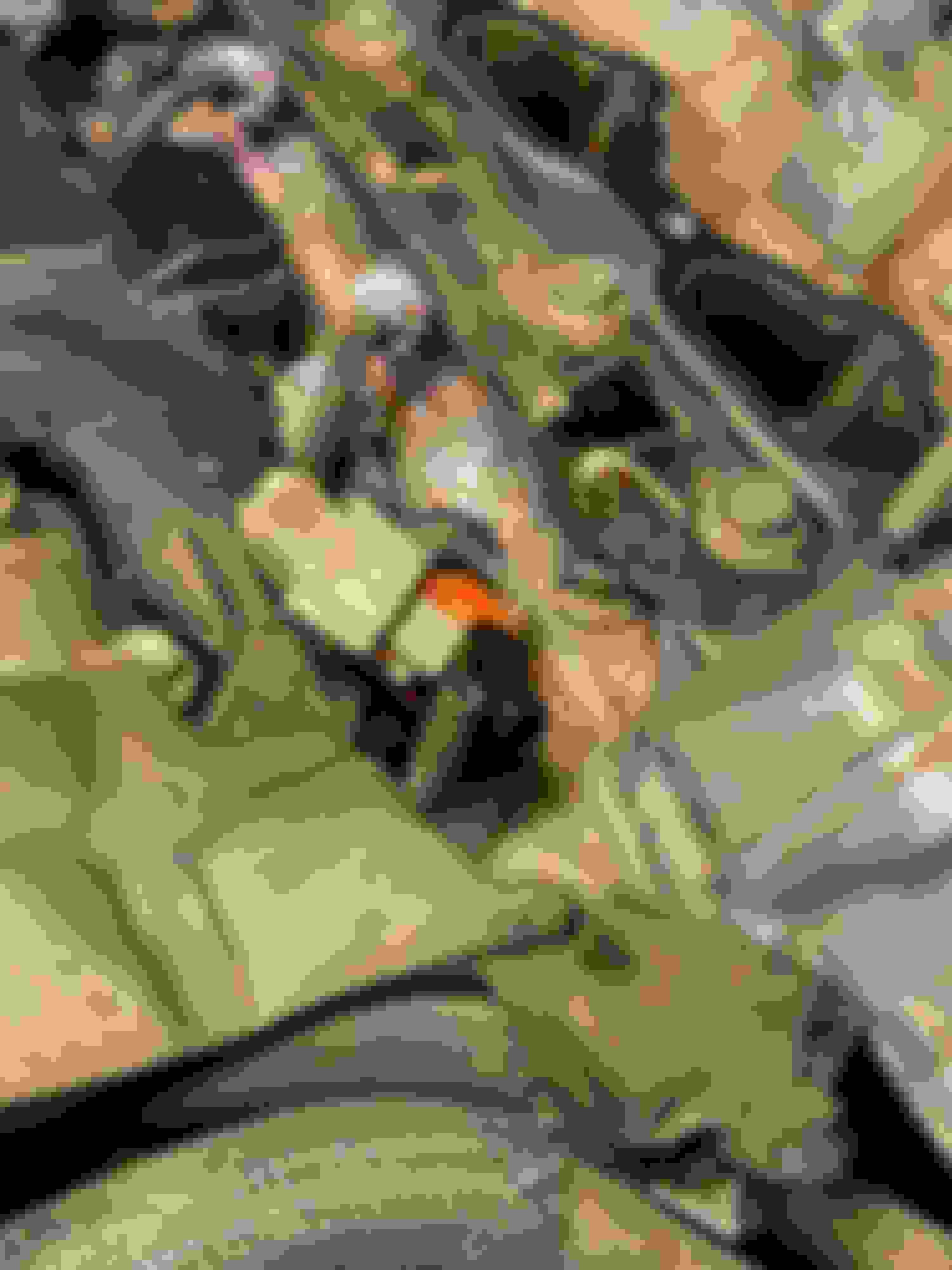
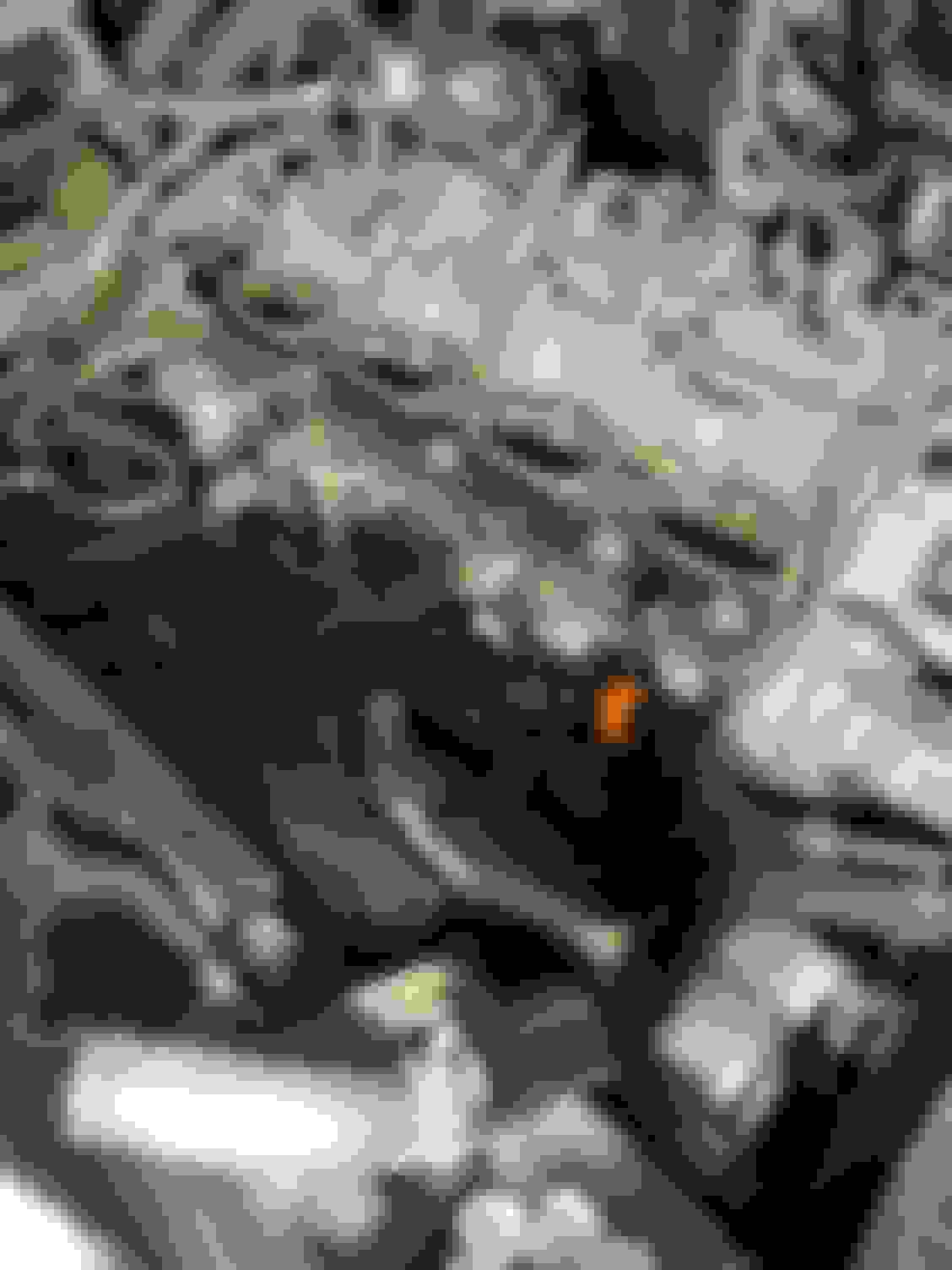
So I am in the middle of the valley plate fix and I am pretty sure I broke the connector on the passenger side rear direct injector. It is very flimsy compared to all the other injectors which have almost no play in them. See the following video.
Any ideas what I need to replace other than the obvious injector? Seals as well? Any concerns or cautions before pulling that fuel rail? I have never messed with direct injection before. I will google the part number for that injector and any advice is appreciated.
Last edited by fstpassat; Aug 16, 2020 at 12:08 PM.
That blows. Injector and seals for sure, maybe a new connector body on the harness as well. The factory has some very specific instructions on how to replace the injectors. PM me for more info.
So my valley plate was repaired 1 year prior to my ownership. I’ve recently done a TON of maintenance to this car and finally started to enjoy it again. Earlier this week and out of no where I got a p0201 and p0301 (cyl 1 open/faulty fuel circuit and cyl 1 misfire). I ran through diagnostics and to make a long story short my cylinder 1 direct injector cracked just like the OP of this thread.
Below is what it looks like. I ordered a new injector but have never had to work on DI. Anyone familiar with the repair or have watchouts? I really want to “get in, get out” and have the car back on the road when my injector arrives Monday. Thanks
It was nothing difficult to replace. Just make sure you buy the Toyota direct injector seal tools to seat the new seals on the new/old injectors. You will need to replace all of the seals on the injectors of the rail that you pull.
It was nothing difficult to replace. Just make sure you buy the Toyota direct injector seal tools to seat the new seals on the new/old injectors. You will need to replace all of the seals on the injectors of the rail that you pull.
Did the injectors want to come out with the rail when you pulled it, or did they stay fully seated in the head? Wondering mostly to understand how many seals will need to be on hand when doing this job.
Did the injectors want to come out with the rail when you pulled it, or did they stay fully seated in the head? Wondering mostly to understand how many seals will need to be on hand when doing this job.
My exact question before this turns into a $500+ endeavor
The injectors pop right out of the head and stay fully seated in the rail because of the “nozzle holder clamp.” It was actually difficult to pull the injectors from the rail. There is a notch on the body clamp that needs to be aligned with the rail.
All in all not difficult but extremely time consuming and a bit of worry first time doing it. The FSM made it out to be a very intimidating process! Lance, thanks for your insight!
It was nothing difficult to replace. Just make sure you buy the Toyota direct injector seal tools to seat the new seals on the new/old injectors. You will need to replace all of the seals on the injectors of the rail that you pull.
Are these tools available on the net? Model specific?
Are these tools available on the net? Model specific?
I purchased SST p/n 09260-39015 several years ago and it has worked on every injector I’ve needed to service. I think it was $80 or so from freedomracing
Those who have done this. What are you using/doing for the supposed critical torque angle settings (with SST's) on the high pressure line or fuel pressure sensor?
I only separated the No.2 fuel pipe subassembly and replaced the orings and erings. Do as little as possible to create movement of the rail to pull the injectors from the head. They pop right out just like port injectors. It takes effort to pull the direct injectors from the rail. Don’t do it unless yiubhace to.... I would disturb as little as possible.
Those who have done this. What are you using/doing for the supposed critical torque angle settings (with SST's) on the high pressure line or fuel pressure sensor?
To be honest, I don’t know what you’re referring to. I took off what needed to be taken off and put everything back together and have been running without issue for thousands of miles at this point.



 Replace passenger side direct injector?