When you click on links to various merchants on this site and make a purchase, this can result in this site earning a commission. Affiliate programs and affiliations include, but are not limited to, the eBay Partner Network.
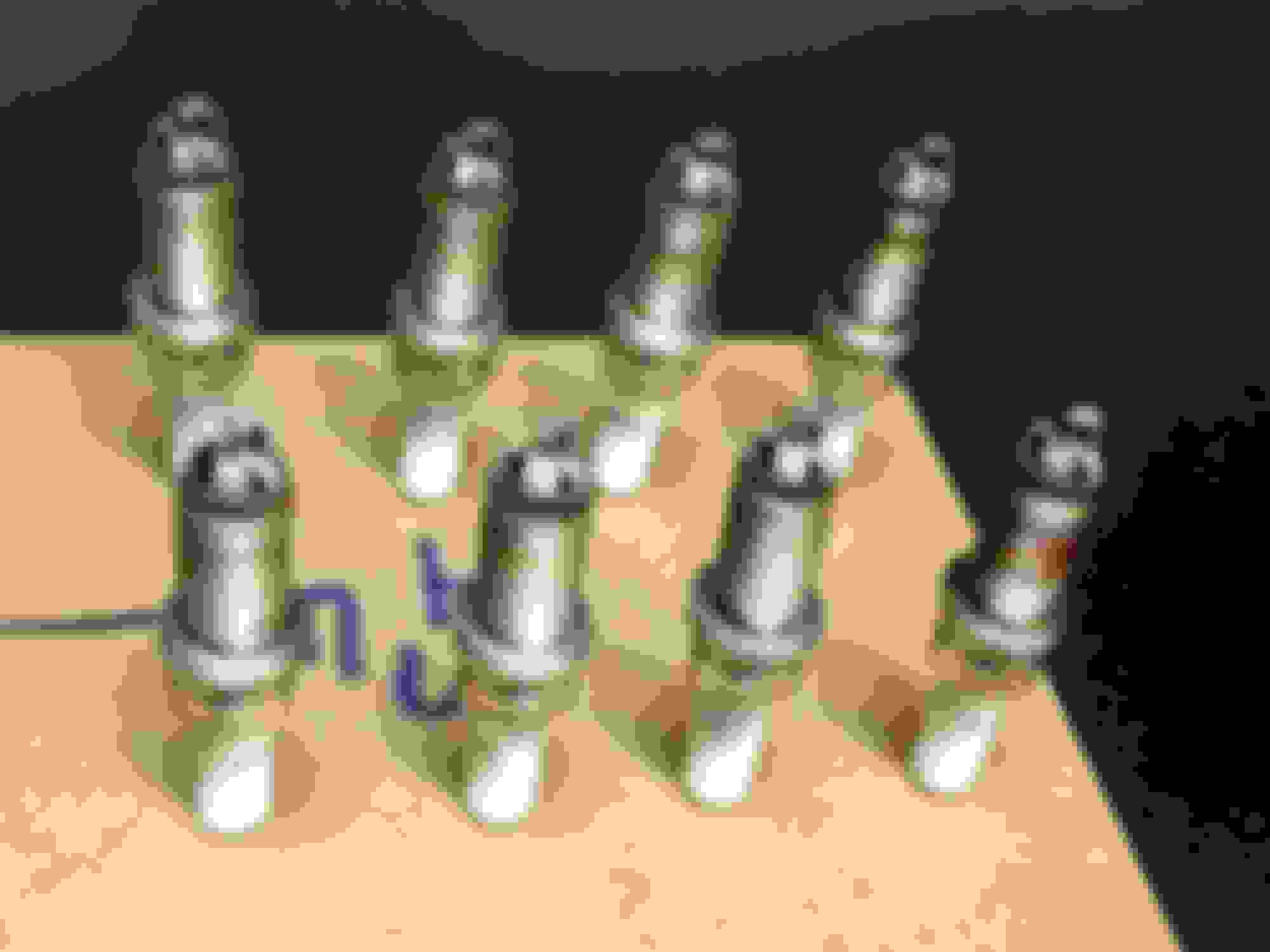
If you examine closely, you will likely find a small trail of oil from the tube seal sandwich point..
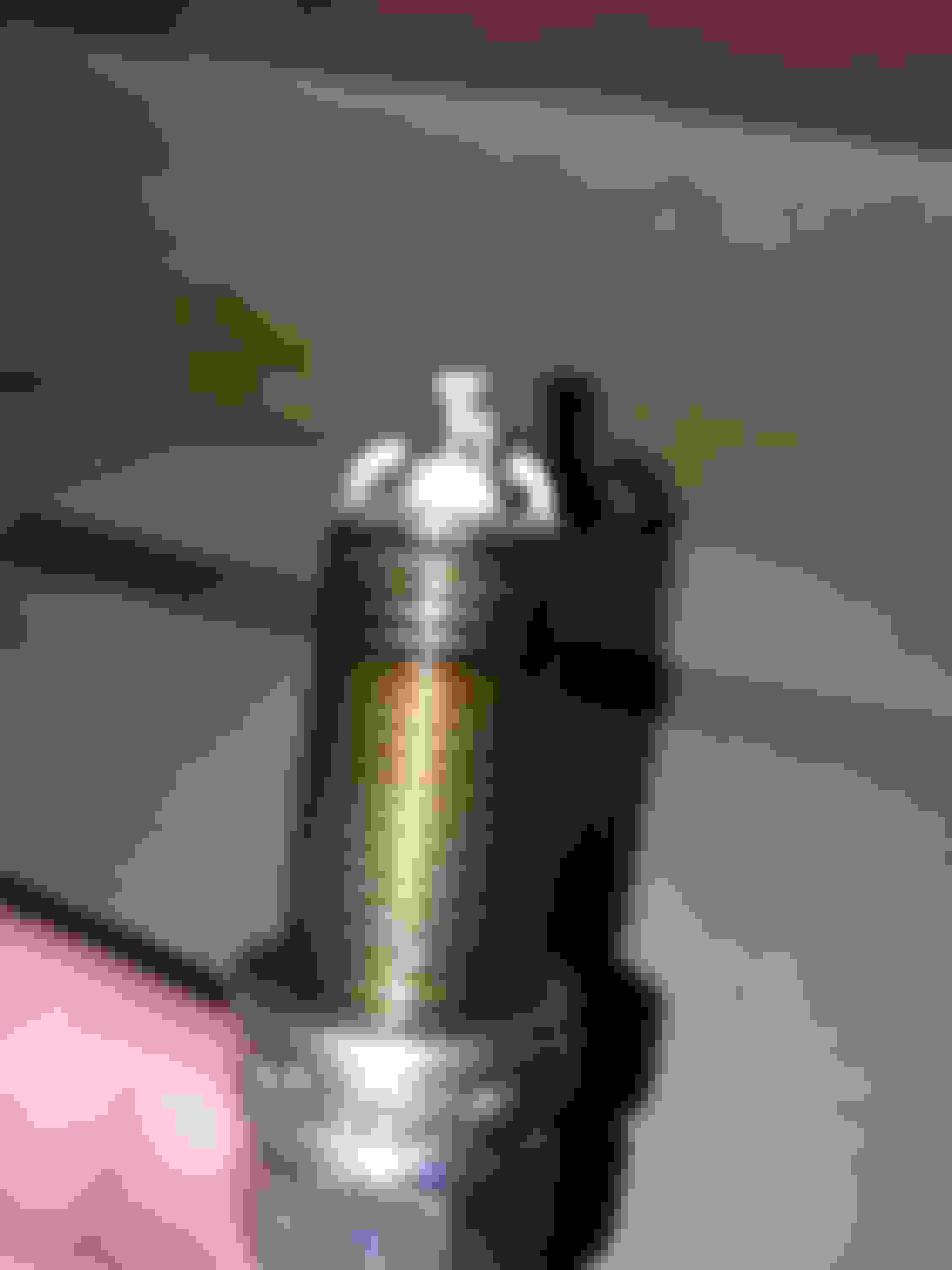
I know what you’re saying, but I had oil in the TUBE.. None of it was on the Porcelain or above the crush gasket.. As shown in my photo evidence.
The oil migrates soo slow in there, it just works it way down the threads and never puddles up HIGH enough to cause other visible issues
Driver
Passenger
In order of concern my driver's side was a tad bit worse compared to passenger side.. The other 6 plus were DRY.
I did mine two years ago this month at around 80k miles... Soon I will pull the rear plugs again to see how they look..
I have also paid a lot more attention on how much oil goes in after an oil change.
Not 10 qts or even 9.5 qts
I've been starting with 9 and just add in enough to get to the 2nd dot
If the rear TWO are still WET, I will likely be changing out all the Tube Seals very soon..!!
Joe Z
Joe Z mine looked exactly like yours. Driver side was worse and wet compared to the passenger side. I didnt looked at the tube.... Dont you think is like too much coinsidence that we are presenting same issue. Like if it was a tube problem why is always the rear two? I mean yours obiously has oil in it so there is no argument but something seems off. Like maybe the engine sits on certain angle thay allows some oil through even if the tubes are un perfect condition, or maybe we all overfill by putting 10qt like when in reality we take like 9.8?
Joe Z mine looked exactly like yours. Driver side was worse and wet compared to the passenger side. I didnt looked at the tube.... Dont you think is like too much coinsidence that we are presenting same issue. Like if it was a tube problem why is always the rear two? I mean yours obiously has oil in it so there is no argument but something seems off. Like maybe the engine sits on certain angle thay allows some oil through even if the tubes are un perfect condition, or maybe we all overfill by putting 10qt like when in reality we take like 9.8?
Lobux gave me the theory a couple of years ago..
GForce throwing the excess oil against the back wall / last two plug tubes..
GForce throwing the excess oil against the back wall / last two plug tubes..
Joe Z
Makes sense too. I think I'm just not going to worry about it unless it becomes a real issue like burning too much oil or some like that. I mean for you having 80k that is an irrelevant amount of oil inside the tube. For next plug change if they come out wet I might reconsider. Also if I'm not mistaking the VVT solenoids are located at the back, maybe they are splashing some oil???????
The VVT solenoids are in the front near the cam drive.
When I removed the valve covers to check valve lash, I had a set of 8 tube seals, expecting they might be heat damaged or just brittle. They were not. Not only that, but they took a long time to arrive because no one stocks them. That alone should be telling about the likelihood of failure. I learned a long time ago, common failure items are in stock at the dealership. If you have to order a part to fix a problem, it's either a very expensive part, or your troubleshooting needs to be rechecked before you drop the cash.
FWIW - none of the rubber seals I purchased were necessary at 62k miles. There was zero evidence of embrittlement.
The VVT solenoids are in the front near the cam drive.
When I removed the valve covers to check valve lash, I had a set of 8 tube seals, expecting they might be heat damaged or just brittle. They were not. Not only that, but they took a long time to arrive because no one stocks them. That alone should be telling about the likelihood of failure. I learned a long time ago, common failure items are in stock at the dealership. If you have to order a part to fix a problem, it's either a very expensive part, or your troubleshooting needs to be rechecked before you drop the cash.
FWIW - none of the rubber seals I purchased were necessary at 62k miles. There was zero evidence of embrittlement.
Lance can I make a parenthesis here? Do I really need to check valve lash? It's not documented as part of the 60k maintenance on a 2011 nor the dealership acknowledge its required unless I track the car. I'm not sure how previous owner treated the car but it doesnt show signs of being tracked or abused and I have full service records history all done at Lexus although for some reason I dont saw any history before 20,000 miles. Unless the bonehead didca DIY or waited till then to do the first oil chance. Should I do it, and why? I saw you have a write up on it.
I don't think it is necessary, and it's a lot of work to discover everything is fine. My Supra has 156k miles on it, and it has never needed an adjustment in the whole time it has been running. I'll check mine again fairly soon, but from all indications I really doubt it will be out of spec. I am only checking because I have the infamous ticking on cold cycle and I want to be 100% certain it is not valve lash causing the noise.
Side note - it has occurred to me the exhaust manifold could be cracked, but typically the ticking noise is very rhythmic when this happens. The thing that is common to a cracked manifold is, it gets better as it heats up and seals the crack with expansion. Toyota have produced crap exhaust manifolds in the past - I had an '86 MR2 with a crack between #3 and #4 cylinders. I went to the junk yard to get another one, thinking this had to be a fluke. It was not. They were ALL cracked in the same spot except one with very low mileage. I did some stress relief on the cast iron in the spot where it usually cracks, but the car's owner and I parted ways before I could find out if it was a good long term fix or not. There have been a couple of F owners on this forum saying they've had cracked manifolds. The other disclaimer on this is, if you open the oil fill cap while the engine is ticking, it is much louder which tends to make me believe it is something internal, not external. Still hunting this down...
Last edited by lobuxracer; Nov 10, 2015 at 06:00 AM.
I don't think it is necessary, and it's a lot of work to discover everything is fine. My Supra has 156k miles on it, and it has never needed an adjustment in the whole time it has been running. I'll check mine again fairly soon, but from all indications I really doubt it will be out of spec. I am only checking because I have the infamous ticking on cold cycle and I want to be 100% certain it is not valve lash causing the noise.
Side note - it has occurred to me the exhaust manifold could be cracked, but typically the ticking noise is very rhythmic when this happens. The thing that is common to a cracked manifold is, it gets better as it heats up and seals the crack with expansion. Toyota have produced crap exhaust manifolds in the past - I had an '86 MR2 with a crack between #3 and #4 cylinders. I went to the junk yard to get another one, thinking this had to be a fluke. It was not. They were ALL cracked in the same spot except one with very low mileage. I did some stress relief on the cast iron in the spot where it usually cracks, but the car's owner and I parted ways before I could find out if it was a good long term fix or not. There have been a couple of F owners on this forum saying they've had cracked manifolds. The other disclaimer on this is, if you open the oil fill cap while the engine is ticking, it is much louder which tends to make me believe it is something internal, not external. Still hunting this down...
Hmmm I believe that ticking is a very common thing in toyotas engine. My friend's 2015 lexus is350 ticks like crazy. I can feel i had a very light ticking in mine but this is my first toyota it doenst really sound abnormal is just louder than my mustang gt 5.0 i traded for the F. I cant hear it anymore so its was either my imagination or I got used to it. Im a car guy and I easily detect even the slight abnormal sound in a car.
The VVT solenoids are in the front near the cam drive.
When I removed the valve covers to check valve lash, I had a set of 8 tube seals, expecting they might be heat damaged or just brittle. They were not. Not only that, but they took a long time to arrive because no one stocks them. That alone should be telling about the likelihood of failure. I learned a long time ago, common failure items are in stock at the dealership. If you have to order a part to fix a problem, it's either a very expensive part, or your troubleshooting needs to be rechecked before you drop the cash.
FWIW - none of the rubber seals I purchased were necessary at 62k miles. There was zero evidence of embrittlement.
So what better way to explain the 2 - WET rear plugs ???
I have the evidence with the oil trailing down.. Unless its trailing in and then UP
So what better way to explain the 2 - WET rear plugs ???
I have the evidence with the oil trailing down.. Unless its trailing in and then UP
~ Joe Z
I've seen oil on sparkplug threads removed from air cooled engines. The top of the plugs are completely exposed to air, this was long before coil on plug was a thought, and yet oil migrates up into the threads from the cylinder. It is not unusual at all.
Joe Z if you do so.... Please!!!! Take pictures for a nice write up. I think this is something that should be documented if its a common issue with our Fs
Joe Z if you do so.... Please!!!! Take pictures for a nice write up. I think this is something that should be documented if its a common issue with our Fs
Agreed..
Today I was changing my oil so I killed some time while the pan dripped..!!
I only pulled the last plug on the drivers side and it was wet again..
This time I carefully looked everything over to pinpoint the oil / vapor.. It pointed to the tube seal which was slightly wet to touch..
But again no major oil in the tube.. Just a vapor trail down due to gravity and some accumulated oil vapor on the coil pack center area.
The rest of the wet oil was on the spark plug threads only.. None on the top side of spark plug gasket or even on the tip of the coil pack.. All dry there, which was a good sign.
I cleaned everything the best I could.. And even shot a bunch of brake cleaner down the spark plug tube again, to get whatever oil was left down there out.. Did this at 80k too..