



The 2014 Recall Thread

Thread Starter
Joined: Oct 2008
Posts: 42,476
Likes: 320
From: California
 The 2014 Recall Thread
GM recalling Silverado and Sierra HD diesel pickups over fuel gauge follies

General Motors is recalling 9,733 of its heavy-duty twins over concerns with their 6.6-liter diesel engines and dual fuel tanks. The recall covers some Chevrolet Silverado HD and GMC Sierra HD pickups from model years 2012 and 2013, although the exact dates that the recalled trucks were built isn't specified. There's also no mention of how many models come from Chevrolet and how many are from GMC.
The problem rests with the transfer pump responsible for moving fuel from the rear tank to the front tank – it could fail, resulting in an inaccurate fuel gauge. It hardly requires explaining, but a faulty fuel gauge could leave drivers in a situation where they run out of diesel.
The problem rests with the transfer pump responsible for moving fuel from the rear tank to the front tank – it could fail, resulting in an inaccurate fuel gauge. It hardly requires explaining, but a faulty fuel gauge could leave drivers in a situation where they run out of diesel.
Thread Starter
Joined: Oct 2008
Posts: 42,476
Likes: 320
From: California
Land Rover bringing in 2013 and 2014 Range Rover over airbag disconnect fears
Land Rover bringing in 2013 and 2014 Range Rover over airbag disconnect fears

Land Rover will be recalling nearly 4,000 of its flagship Range Rover models over air bag concerns. The 2013 and 2014 model year SUVS use a connector for their seat-mounted airbags that may become disconnected, meaning the airbags wouldn't fire in the event of a collision.
Now, it's important to note that this recall just affects the side airbags – the airbags in the dash and steering wheel still function. But the issue is still pressing enough that Land Rover will be asking owners to report in for service.
Notifications will be going out, and the official recall will kick off on January 17. Customers will need to get the area around the connector modified so that disconnection will be presented. This will, of course, be done free of charge.
Now, it's important to note that this recall just affects the side airbags – the airbags in the dash and steering wheel still function. But the issue is still pressing enough that Land Rover will be asking owners to report in for service.
Notifications will be going out, and the official recall will kick off on January 17. Customers will need to get the area around the connector modified so that disconnection will be presented. This will, of course, be done free of charge.
Thread Starter
Joined: Oct 2008
Posts: 42,476
Likes: 320
From: California
China orders Jeep to investigate Wrangler fire risk
China orders Jeep to investigate Wrangler fire risk

It's been some time since we've heard anything about fires related to the Jeep Wrangler (foreign or domestic), but it sounds like the go-anywhere SUV could be in hot water once again in China. Bloomberg is reporting that the Chinese government is ordering Jeep to investigate the matter and, in the meantime, also recommending Wrangler owners to not drive their vehicles in "extreme conditions" due to a "relatively high risk" of catching on fire.
There is no indication as to how many vehicles or which model years are affected, but the previous fire problems in both the US and China – which led to investigations but no recalls – were traced back to automatic transmission fluid leaks. The article, however, does not say what the potential problem is this time around as Jeep has not released a comment on the matter.
There is no indication as to how many vehicles or which model years are affected, but the previous fire problems in both the US and China – which led to investigations but no recalls – were traced back to automatic transmission fluid leaks. The article, however, does not say what the potential problem is this time around as Jeep has not released a comment on the matter.
Thread Starter
Joined: Oct 2008
Posts: 42,476
Likes: 320
From: California
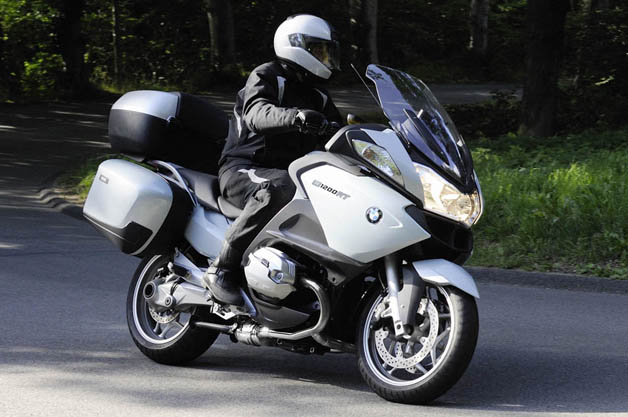
BMW calls in 50,000 motorbikes over fuel pump leak
BMW calls in 50,000 motorbikes over fuel pump leak
RECALL Subject : Fuel Pump Flange may Leak , 1 INVESTIGATION(S)
Report Receipt Date: DEC 12, 2013
NHTSA Campaign Number: 13V617000
Component(s): FUEL SYSTEM, GASOLINE
Potential Number of Units Affected: 50,184
Manufacturer: BMW of North America, LLC
SUMMARY:
BMW of North America, LLC (BMW) is recalling certain model year 2005-2011 model year R-model motorcycles, model year 2005-2012 K-model motorcycles, model year 2010-2011 S 1000 model motorcycles, and model year 2006-2010 HP2 motorcycles. In the affected motorcycles, the fuel pump flange (and the auxiliary fuel pump flange if equipped) could develop cracks and leak fuel.
CONSEQUENCE:
A fuel leak in the presence of an ignition source may result in a fire.
REMEDY:
BMW will notify owners, and dealers will either reinforce the fuel pump flange or replace the pump, as necessary, free of charge. The recall is expected to begin in February 2014. Owners may contact BMW customer relations at 1-800-525-7417 or email BMW at CustomerRelations@bmwusa.com.
Report Receipt Date: DEC 12, 2013
NHTSA Campaign Number: 13V617000
Component(s): FUEL SYSTEM, GASOLINE
Potential Number of Units Affected: 50,184
Manufacturer: BMW of North America, LLC
SUMMARY:
BMW of North America, LLC (BMW) is recalling certain model year 2005-2011 model year R-model motorcycles, model year 2005-2012 K-model motorcycles, model year 2010-2011 S 1000 model motorcycles, and model year 2006-2010 HP2 motorcycles. In the affected motorcycles, the fuel pump flange (and the auxiliary fuel pump flange if equipped) could develop cracks and leak fuel.
CONSEQUENCE:
A fuel leak in the presence of an ignition source may result in a fire.
REMEDY:
BMW will notify owners, and dealers will either reinforce the fuel pump flange or replace the pump, as necessary, free of charge. The recall is expected to begin in February 2014. Owners may contact BMW customer relations at 1-800-525-7417 or email BMW at CustomerRelations@bmwusa.com.
Thread Starter
Joined: Oct 2008
Posts: 42,476
Likes: 320
From: California
370,000 new Silverado and Sierra pickups recalled over fire risk
370,000 new Silverado and Sierra pickups recalled over fire risk

General Motors announced late Friday that it will recall around 370,000 Chevrolet Silverado and GMC Sierra fullsize pickups from the 2014 model year over a possible fire risk. The recall covers select 4.3-liter V6 and 5.3-liter V8 models, which can evidently suffer engine compartment fires due to the overheating of exhaust components. GM notes that the fire issue may be preceded by a check engine light and an "engine power reduced" message on the driver information display.
Thus far, GM is aware of eight fires stemming from this problem (although only three of those incidents affected customer-owned vehicles), and all of the fires were reported in areas with "very cold weather." GM is urging owners to not leave their vehicles unintended while idling. No injuries have resulted from the fires in question.
The Detroit-based automaker has pledged to start mailing out recall letters on January 16. The fix, which involves software reprogramming, is estimated to be a 20-minute repair, and will be made free of charge.
Of those 370,000 trucks, some 303,000 were sold in the US, while the other 67,000 were retailed to Canada and Mexico.
Thus far, GM is aware of eight fires stemming from this problem (although only three of those incidents affected customer-owned vehicles), and all of the fires were reported in areas with "very cold weather." GM is urging owners to not leave their vehicles unintended while idling. No injuries have resulted from the fires in question.
The Detroit-based automaker has pledged to start mailing out recall letters on January 16. The fix, which involves software reprogramming, is estimated to be a 20-minute repair, and will be made free of charge.
Of those 370,000 trucks, some 303,000 were sold in the US, while the other 67,000 were retailed to Canada and Mexico.
Thread Starter
Joined: Oct 2008
Posts: 42,476
Likes: 320
From: California
Tesla recalling 29,000 Model S wall chargers to prevent overheating
Tesla recalling 29,000 Model S wall chargers to prevent overheating

Tesla's big wall charger adapter replacement program is about to get a lot bigger. For one thing, the replacement has become an official recall. Secondly, the number of affected adapters is higher than expected: 29,222 units.
The National Highway Traffic Safety Administration officially announced the recall today. Tesla says that the problem lies in "certain NEMA 14-50 (240 volt) Universal Mobile Connector (UMC) adapters" and that the problem is that the adapter, cord, or wall outlet can overheat during charging. This possibility came to light in a garage fire in California in November and has resulted in some melted adapters since then.
As we know, step one in solving this problem was an over-the-air software update (version 5.8.4 or later) that would shut off charging if things got too hot in November. Then, late last week, Tesla CEO Elon Musk said his company would send out the replacement wall adapters that has thermal fuses built in. We wondered at the time if this would lead to an official recall, since the charging unit is not, technically, part of the car. It has, even though at the Detroit Auto Show today, Tesla representatives testily said that the even if NHTSA calls it a recall, Tesla just calls it modern technology.
The National Highway Traffic Safety Administration officially announced the recall today. Tesla says that the problem lies in "certain NEMA 14-50 (240 volt) Universal Mobile Connector (UMC) adapters" and that the problem is that the adapter, cord, or wall outlet can overheat during charging. This possibility came to light in a garage fire in California in November and has resulted in some melted adapters since then.
As we know, step one in solving this problem was an over-the-air software update (version 5.8.4 or later) that would shut off charging if things got too hot in November. Then, late last week, Tesla CEO Elon Musk said his company would send out the replacement wall adapters that has thermal fuses built in. We wondered at the time if this would lead to an official recall, since the charging unit is not, technically, part of the car. It has, even though at the Detroit Auto Show today, Tesla representatives testily said that the even if NHTSA calls it a recall, Tesla just calls it modern technology.
Thread Starter
Joined: Oct 2008
Posts: 42,476
Likes: 320
From: California
7 months later, Jeep 'trailer hitch' recall still stalled
7 months later, Jeep 'trailer hitch' recall still stalled

For the past few years, Chrysler and its CEO, Sergio Marchionne, have gone head-to-head with the National Highway Traffic Safety Administration and its boss, David Strickland, over the government safety agency's request for Chrysler to recall almost three-million Jeep vehicles due to what NHTSA says is a safety issue that has caused at least 51 deaths. After a three-year investigation and Chrysler's initial refusal to issue a recall because it deemed the vehicles safe and built to the day's federal requirements, last summer, the two parties compromised on a "voluntary campaign" to inspect 1.56 million vehicles, those being the 1992 to 1998 Grand Cherokee and 2002 to 2007 Liberty.
Those vehicles were designed with their gas tanks between the rear axle and the bumper, and NHTSA says that in rear-end collisions, damage to the fuel tank has caused fires responsible for those 51 deaths. The compromise reached last summer was that Chrysler would inspect 1.56 million vehicles and, "if necessary, provide an upgrade to the rear structure of the vehicle." Practically speaking, that meant Chrysler would replace aftermarket trailer hitches, but would take no action if a vehicle had a factory-installed hitch or an aftermarket hitch from Mopar.
A report in The Detroit News says the "voluntary campaign" is just now getting under way, with Chrysler saying last week that the design of the replacement part had been finalized and it was tooling up "to deliver the required volume." Seven months later, still in question is whether NHTSA will crash-test the fix engineered by Chrysler, noteworthy because not only did the vehicles in question pass every safety standard necessary to be cleared for sale at the time, there are still questions (to those of us on the outside) as to how the Jeeps at issue fare among their peers in such incidents. Either way, Chrysler and NHTSA apparently still disagree on the efficacy of the remedy itself: the carmaker says it might help in low-speed crashes but not high-speed collisions, a position the NHTSA is at odds with. All of this means the campaign doesn't yet have an end in sight.
http://www.autoblog.com/2014/01/14/j...r-hitch-nhtsa/
Trending Topics
Thread Starter
Joined: Oct 2008
Posts: 42,476
Likes: 320
From: California
NHTSA upgrading Jeep Grand Cherokee, Dodge Durango headliner fire probe
NHTSA upgrading Jeep Grand Cherokee, Dodge Durango headliner fire probe
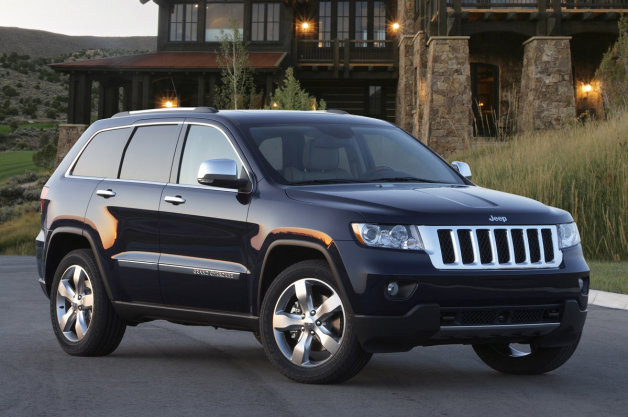
The National Highway Traffic Safety Administration investigation into headliner fires experienced by a small number of Jeep Grand Cherokee and Dodge Durango owners has been upgraded to an engineering analysis, the step before the initiation of a recall. In August last year the investigation began with 146,000 Grand Cherokees from 2012 after three complaints were received, but a report on Edmunds says it has been expanded to include 593,299 vehicles covering the 2011-2013 model years for the Jeep and the Dodge Durango, which uses the same headliner assembly, because of possibly 52 incidents of fire.
In some of those incidents drivers have reported a burning odor, smoke or open flames that were contained to the headliner or migrated to another area of the passenger compartment. The culprit has apparently been found: NHTSA blaming an electrical short in the sun visor vanity light wiring, which is routed under the headliner and held in place by three screws. Chrysler began its own probe into the issue when it was first reported and is still looking into the situation while, "fully supporting the National Highway Traffic Safety Administration's investigation."
In some of those incidents drivers have reported a burning odor, smoke or open flames that were contained to the headliner or migrated to another area of the passenger compartment. The culprit has apparently been found: NHTSA blaming an electrical short in the sun visor vanity light wiring, which is routed under the headliner and held in place by three screws. Chrysler began its own probe into the issue when it was first reported and is still looking into the situation while, "fully supporting the National Highway Traffic Safety Administration's investigation."
ClubLexus Stories
Celebrating Lexus & Toyota from Around the Globe
8 Tips for Improving Your Hybrid or Plug-in Hybrid's Efficiency!
Michael S. Palmer
10 Best Lexus Models No One Remembers
Joe Kucinski
TRD Off-Road Premium: Best 2026 4Runner, Except This One Thing
Michael S. Palmer
Top 10 Lexus & Toyotas to Drive Before You Die!
Joe Kucinski
Top 10 Lexus/Toyotas With The LEAST 5-Year Depreciation
Joe Kucinski
Lexus LC500 Convertible Auction: A Preview of Rising Values?
Brett Foote
GX 550 vs TX 550: Best 3-Row Luxury Lexus Family Hauler
Michael S. Palmer
9 Best Lexus Models You Can Buy for Half Price (And 1 You Shouldn't!)
Joe Kucinski
2026 Lexus NX Buyer's Guide: Models, Features, Prices & More!
Brett Foote
Thread Starter
Joined: Oct 2008
Posts: 42,476
Likes: 320
From: California
Ford calling in 28k Edge crossovers over fuel line leak
Ford calling in 28k Edge crossovers over fuel line leak
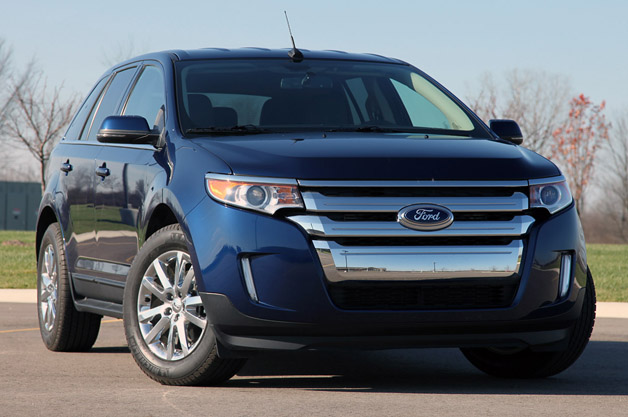
A problem with the fuel line on certain examples of the Ford Edge has prompted the National Highway Traffic Safety Administration to issue a recall. The issue revolves around the metal housing on the fuel line pulse damper, which was apparently improperly manufactured in the first place and is prone to crack in certain circumstances, leading to a fuel leak. And as we all know, a fuel leak is not a good thing.
The problem affects model year 2012 and 2013 Edge crossovers equipped with the 2.0-liter engine and manufactured between September 2, 2010 and April 25, 2013 - a total of 27,933 units. Although the Lincoln MKX is closely related to the Edge, since it isn't offered with the same engine (to which the problem is related), the recall does not include the premium-badged version.
The problem affects model year 2012 and 2013 Edge crossovers equipped with the 2.0-liter engine and manufactured between September 2, 2010 and April 25, 2013 - a total of 27,933 units. Although the Lincoln MKX is closely related to the Edge, since it isn't offered with the same engine (to which the problem is related), the recall does not include the premium-badged version.
Thread Starter
Joined: Oct 2008
Posts: 42,476
Likes: 320
From: California
NHTSA closes book on Jeep 'trailer hitch' recall after all
NHTSA closes book on Jeep 'trailer hitch' recall after all
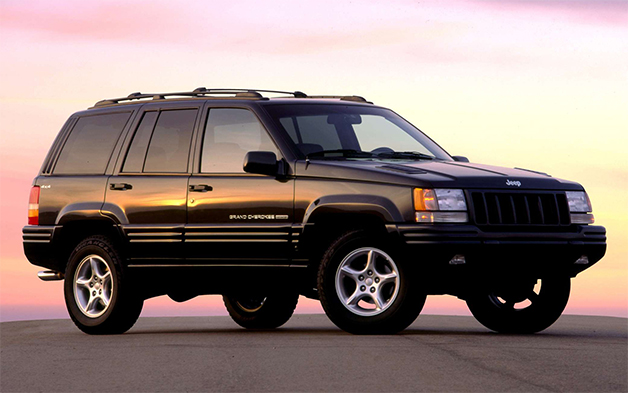
After much debating and hand-wringing, the National Highway Traffic Safety Administration now says it has "no reservations" with Chrysler's plan to recall certain Jeep Liberty and Grand Cherokee models over concerns that their fuel tanks, which are located behind the rear axle, could rupture or leak in the event of a rear impact. The longstanding argument between the two entities saw Chrysler openly defy the Feds after a request to recall 2.7 million units back in June.
Chrysler's "voluntary campaign" will instead see it recall 1.56-million 1993-2004 model year Grand Cherokee SUVs, along with 2002-2007 Liberty models. Affected vehicles will get a trailer hitch installed free of charge, which Chrysler says will provide an additional degree of protection for the fuel tanks in the event of a crash. Jeeps with Mopar-branded hitches or hitches that were installed at the factory aren't affected by this recall.
Chrysler's argument throughout this battle has been that the Jeeps in question are no more susceptible to fires than comparable vehicles from the same time period, a position that NHTSA has seemingly arrived at as well. "Those vehicles performed at a rate similar to their peers. That is the keystone analysis as to whether something poses an unreasonable risk to safety," said outgoing NHTSA boss David Strickland during an interview with the The Associated Press.
While the decision between NHTSA and Chrysler seems reasonable, The Center for Auto Safety, which instigated the original investigation, isn't exactly pleased with this outcome. Following word of the resolution, Clarence Ditlow, the advocacy group's director, had this to say: "It is tragic that NHTSA approved Chrysler's sham trailer hitch recall for Jeeps that explode in rear impacts."
Chrysler's "voluntary campaign" will instead see it recall 1.56-million 1993-2004 model year Grand Cherokee SUVs, along with 2002-2007 Liberty models. Affected vehicles will get a trailer hitch installed free of charge, which Chrysler says will provide an additional degree of protection for the fuel tanks in the event of a crash. Jeeps with Mopar-branded hitches or hitches that were installed at the factory aren't affected by this recall.
Chrysler's argument throughout this battle has been that the Jeeps in question are no more susceptible to fires than comparable vehicles from the same time period, a position that NHTSA has seemingly arrived at as well. "Those vehicles performed at a rate similar to their peers. That is the keystone analysis as to whether something poses an unreasonable risk to safety," said outgoing NHTSA boss David Strickland during an interview with the The Associated Press.
While the decision between NHTSA and Chrysler seems reasonable, The Center for Auto Safety, which instigated the original investigation, isn't exactly pleased with this outcome. Following word of the resolution, Clarence Ditlow, the advocacy group's director, had this to say: "It is tragic that NHTSA approved Chrysler's sham trailer hitch recall for Jeeps that explode in rear impacts."
Thread Starter
Joined: Oct 2008
Posts: 42,476
Likes: 320
From: California
Ford recalls select Explorer, E-Series vans
Ford recalls select Explorer, E-Series vans
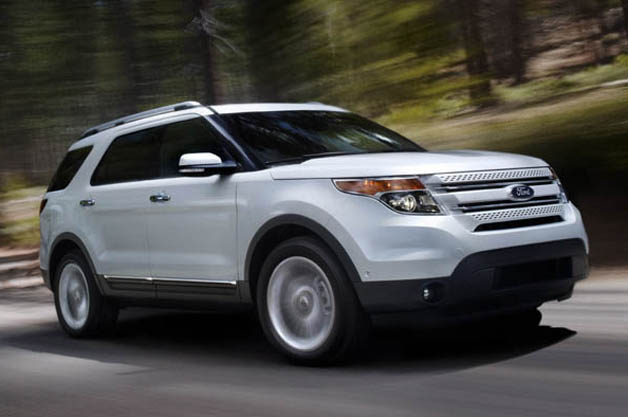
RECALL Subject : Bubbles in the Windshield/Decreased Visibility
Report Receipt Date: AUG 26, 2011
NHTSA Campaign Number: 11V445000
Component(s): VISIBILITY
Potential Number of Units Affected: 4,532
Manufacturer: FORD MOTOR COMPANY
SUMMARY:
Ford Motor Company (Ford) is recalling certain model year 2011 Ford E-150, E-250, E-350, and E-450 vehicles built from May 12, 2011, through May 26, 2011. Due to improper manufacturing conditions, some of the windshields may form bubbles after an extended time in hot temperatures. As such, these vehicles fail to conform to the requirements of Federal Motor Vehicle Safety Standard No. 205, "Glazing Materials."
CONSEQUENCE:
The presence of bubbles may hinder driver's visibility thereby increasing the risk of a crash.
REMEDY:
Ford will notify owners, and dealers will inspect and replace the windshield if bubbles are present, free of charge. The recall is expected to begin on, or about, January 27, 2014. Owners may contact the Ford customer relationship center at 1-866-436-7332. Ford's recall campaign number is 11C20.
Report Receipt Date: AUG 26, 2011
NHTSA Campaign Number: 11V445000
Component(s): VISIBILITY
Potential Number of Units Affected: 4,532
Manufacturer: FORD MOTOR COMPANY
SUMMARY:
Ford Motor Company (Ford) is recalling certain model year 2011 Ford E-150, E-250, E-350, and E-450 vehicles built from May 12, 2011, through May 26, 2011. Due to improper manufacturing conditions, some of the windshields may form bubbles after an extended time in hot temperatures. As such, these vehicles fail to conform to the requirements of Federal Motor Vehicle Safety Standard No. 205, "Glazing Materials."
CONSEQUENCE:
The presence of bubbles may hinder driver's visibility thereby increasing the risk of a crash.
REMEDY:
Ford will notify owners, and dealers will inspect and replace the windshield if bubbles are present, free of charge. The recall is expected to begin on, or about, January 27, 2014. Owners may contact the Ford customer relationship center at 1-866-436-7332. Ford's recall campaign number is 11C20.
Thread Starter
Joined: Oct 2008
Posts: 42,476
Likes: 320
From: California
NHTSA investigating 30,000 Toyota Camry Hybrids for brake assist problems
NHTSA investigating 30,000 Toyota Camry Hybrids for brake assist problems
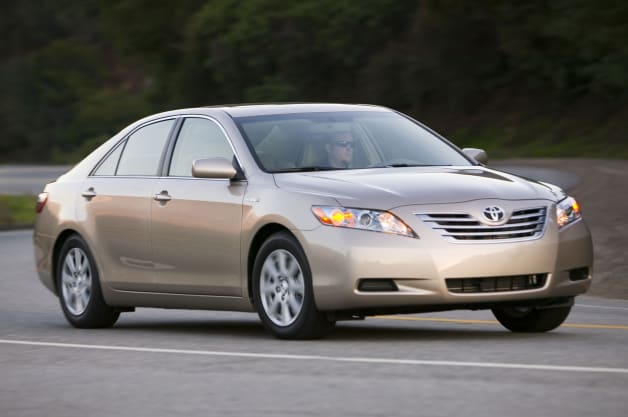
Older model Toyota Camry Hybrids are under investigation by the US National Highway Traffic Safety Administration (NHTSA) for potential braking problems. Enough complaints have poured into the NHTSA website that the agency is now taking a look at the problem, which could affect around 30,000 vehicles from the 2007 and 2008 model years.
According to Reuters, 59 complaints have been submitted revolving around an "intermittent loss of assisted braking" which means the car takes longer to stop. Interestingly, the rate of complaints is increasing. Toyota is reportedly cooperating with NHTSA and there has not yet been an official recall on the Camry Hybrids.
In 2006, Toyota said Brake Assist was "an electronic function that senses an emergency stop and applies increased braking power once the driver touches the brake pedal." When Toyota unveiled the 2007 Camry Hybrid, it proudly stated that the new Brake Assist function would be standard. Other Toyota hybrids have had problems with their brakes in the past, including the 2010 Prius and Lexus HS 250h hybrid. You can read some of the complaints about Brake Assist in the Camry Hybrids to the NHTSA here. People are saying that the "Check VSC" lights can come on before the brakes loose some of their power and a lot of them are being quoted repair costs of over $3,000 by Toyota dealers.
According to Reuters, 59 complaints have been submitted revolving around an "intermittent loss of assisted braking" which means the car takes longer to stop. Interestingly, the rate of complaints is increasing. Toyota is reportedly cooperating with NHTSA and there has not yet been an official recall on the Camry Hybrids.
In 2006, Toyota said Brake Assist was "an electronic function that senses an emergency stop and applies increased braking power once the driver touches the brake pedal." When Toyota unveiled the 2007 Camry Hybrid, it proudly stated that the new Brake Assist function would be standard. Other Toyota hybrids have had problems with their brakes in the past, including the 2010 Prius and Lexus HS 250h hybrid. You can read some of the complaints about Brake Assist in the Camry Hybrids to the NHTSA here. People are saying that the "Check VSC" lights can come on before the brakes loose some of their power and a lot of them are being quoted repair costs of over $3,000 by Toyota dealers.
Thread Starter
Joined: Oct 2008
Posts: 42,476
Likes: 320
From: California
Toyota issues stop sale on 6 key models over seat fabrics; recall possible?
Toyota issues stop sale on 6 key models over seat fabrics; recall possible?
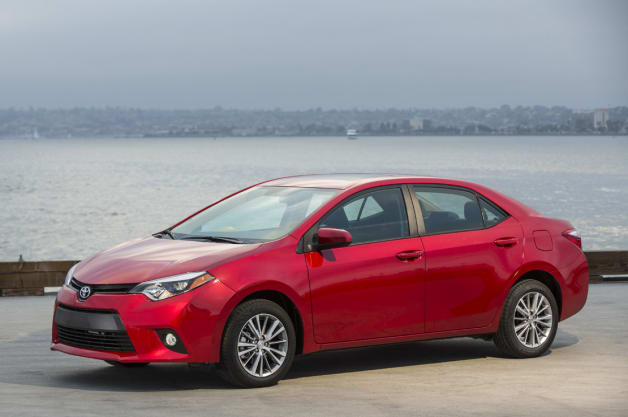
Toyota has issued a stop-sale order on six of its core models due to concerns about the flammability of certain seat fabrics. The issue rests not with the cloth and leather covers themselves, but with a piece of seat heater beneath them that fails to meet US Federal Motor Vehicle Safety Standards for flame retardancy.
There have been no reports of fires or injuries from the affected cars, which include some of Toyota's biggest volume sellers. 2013 and 2014 Camry, Camry Hybrid, Avalon and Sienna models equipped with heated seats are included in the stop-sale, as are 2014 Tundra pickups and Corolla sedans. The exact number of vehicles with the non-compliant materials are still being tabulated, according to The Detroit Free Press.
According to a Toyota spokesman, the National Highway Traffic Safety Administration has been notified, although it remains to be seen if a recall will be issued. Outside of a full recall, though, it's unclear how Toyota will deal with vehicles equipped with the flammable materials that have already found homes.
In the meantime, Toyota is reportedly developing a fix for those vehicle still sitting on dealer lots.
There have been no reports of fires or injuries from the affected cars, which include some of Toyota's biggest volume sellers. 2013 and 2014 Camry, Camry Hybrid, Avalon and Sienna models equipped with heated seats are included in the stop-sale, as are 2014 Tundra pickups and Corolla sedans. The exact number of vehicles with the non-compliant materials are still being tabulated, according to The Detroit Free Press.
According to a Toyota spokesman, the National Highway Traffic Safety Administration has been notified, although it remains to be seen if a recall will be issued. Outside of a full recall, though, it's unclear how Toyota will deal with vehicles equipped with the flammable materials that have already found homes.
In the meantime, Toyota is reportedly developing a fix for those vehicle still sitting on dealer lots.
Thread Starter
Joined: Oct 2008
Posts: 42,476
Likes: 320
From: California
Noooooooo!
Aston Martin recalling majority of cars built since late 2007 over counterfeit Chinese parts
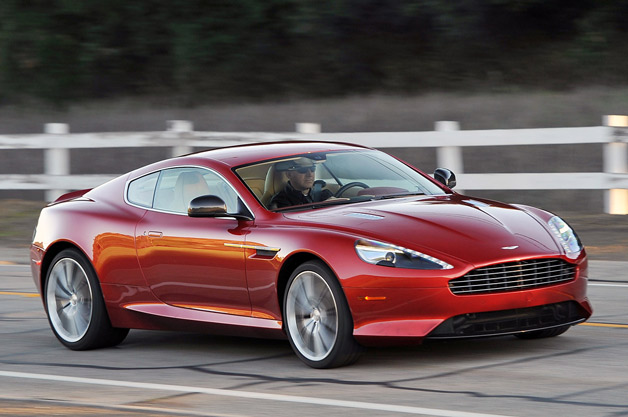
Back in June 2013, Aston Martin recalled just under 700 vehicles over faulty throttle arms that could break without warning. Bad news, for sure – and things just got a whole lot worse. According to Reuters, the British luxury brand now needs to recall 17,590 vehicles due to counterfeit plastic materials being used by a Chinese sub-supplier – that's roughly 75 percent of the company's output over the same period.
Basically, here's how it boils down: with the exception of the Vanquish, Aston Martin will recall all left-hand-drive vehicles built since November 2007, and all right-hand-drive cars built since May 2012. Just as we told you in the recall notice from 2013, the accelerator arms in these cars may fracture, increasing the risk of a crash.
Shenzhen Kexiang Mould Tool Co Limited, a Chinese company that molds the accelerator pedal arms in these affected models, was using counterfeit plastics, according to Reuters. These bad plastics were supplied by Synthetic Plastic Raw Material Co Ltd, of Dongguan.
An Aston Martin spokesperson tells Reuters that there have been no reports of accidents or injuries in conjunction with this problem.
Basically, here's how it boils down: with the exception of the Vanquish, Aston Martin will recall all left-hand-drive vehicles built since November 2007, and all right-hand-drive cars built since May 2012. Just as we told you in the recall notice from 2013, the accelerator arms in these cars may fracture, increasing the risk of a crash.
Shenzhen Kexiang Mould Tool Co Limited, a Chinese company that molds the accelerator pedal arms in these affected models, was using counterfeit plastics, according to Reuters. These bad plastics were supplied by Synthetic Plastic Raw Material Co Ltd, of Dongguan.
An Aston Martin spokesperson tells Reuters that there have been no reports of accidents or injuries in conjunction with this problem.
Thread Starter
Joined: Oct 2008
Posts: 42,476
Likes: 320
From: California
NHTSA closes Ford F-Series Super Duty steering probe without recall
NHTSA closes Ford F-Series Super Duty steering probe without recall
The National Highway Traffic Safety Administration's investigation into 2008 Ford F-250 and F-350 Super Duty pickups, which was originally opened last year, has now ended without a recall. NHTSA was looking into steering failures on some 336,000 trucks.
The issue rested with the steering gear - NHTSA received five complaints of failures - which was redesigned in 2005. According to the report on the matter, investigators "found evidence of broken sector shaft gear teeth and piston damage consistent with incidents of single event overload."
NHTSA investigators, however, "found no evidence of fatigue or material property defects in any of the fractures. Analysis of complaint rates by vehicle build month showed no patterns indicating potential manufacturing quality issues and no difference before and after Ford introduced design changes to the input shaft and sector shaft seals in July 2007 to address potential leak concerns," according to the report, obtained by The Detroit News.
The conclusion of this investigation doesn't just shut the door on the 2008 models, but it marks an end of investigations dating back to 1999 to 2001 model year Super Dutys, as well as 2000 and 2001 Expeditions. That investigation ended similarly, with federal investigators unable to find any defects.
The issue rested with the steering gear - NHTSA received five complaints of failures - which was redesigned in 2005. According to the report on the matter, investigators "found evidence of broken sector shaft gear teeth and piston damage consistent with incidents of single event overload."
NHTSA investigators, however, "found no evidence of fatigue or material property defects in any of the fractures. Analysis of complaint rates by vehicle build month showed no patterns indicating potential manufacturing quality issues and no difference before and after Ford introduced design changes to the input shaft and sector shaft seals in July 2007 to address potential leak concerns," according to the report, obtained by The Detroit News.
The conclusion of this investigation doesn't just shut the door on the 2008 models, but it marks an end of investigations dating back to 1999 to 2001 model year Super Dutys, as well as 2000 and 2001 Expeditions. That investigation ended similarly, with federal investigators unable to find any defects.

