






flame

Thread Starter
Lexus Test Driver
Joined: Jul 2006
Posts: 1,006
Likes: 3
From: Boca Raton, FL
 flame
flame
i'd bought a spark plug today to just mess around with. anyone know how i can make it light up...like let's just say...i wanted to tape it onto my exhaust tip so that it'd be a little flame thrower. and i'd take it off ofcourse when i wasnt showing it to some1...
any1 know that if i just put it near the exhaust if it will fire up when the fumes come out...because there is some left over fuel in those fumes...
i'd like the flame effect without having to install the whole box and wires and all that ****.
any1 know that if i just put it near the exhaust if it will fire up when the fumes come out...because there is some left over fuel in those fumes...
i'd like the flame effect without having to install the whole box and wires and all that ****.

CL Community Team


Joined: Apr 2004
Posts: 17,337
Likes: 213
From: Miami, Florida
I will say this much, after I had no more precats and before I swtiched to TorqueMaster plugs for a second go around, I used to get some popping in the exhaust. My cousin tailing behind me on the way up to the track, could see some light in my exhaust...not flames, but looked like a split second spark. So I do not know what effect you might encounter.
Remember, you are much closer to sea level than I am, so those extra HCs or hydrocarbons are likely to get burned long before they get to the end of the pipe to make anything remotely resembling a spark.
I have seen those flame kits. We get 1 or 2 a week show up with those at my track. My buddy with an RX7 used to have a huge flame fly out of his catless exhaust when he using high octane fuel.
Remember, you are much closer to sea level than I am, so those extra HCs or hydrocarbons are likely to get burned long before they get to the end of the pipe to make anything remotely resembling a spark.
I have seen those flame kits. We get 1 or 2 a week show up with those at my track. My buddy with an RX7 used to have a huge flame fly out of his catless exhaust when he using high octane fuel.
They make a kit for that already. It's made by AutoLoc... What it needs to work is a coil of some sort and a 12v source. Not to mention that you need to increase the amount of fuel that runs through the system (basically make it run rich). The way the AutoLoc system does it is by shutting off the current spark plugs, allowing fuel to run through the exhaust and then igniting it when its at the tip. Causes a HUGE flame, but it also rinses your pistons and cylinders of the oil they need for lubrication.

The exhaust flame thrower kit is a must have for all hot rods. The kit can make up to 20' flames shoot out your exhaust on command. The main control box will control 1 spark plug for optimal performance on single exhaust vehicles. Easy installation and detailed instruction insures compatibility with most exhaust systems.
The kit includes control box with built-in activation button, a mini activation button, wiring harness and more. Please note the kit does not include the coil and spark plug needed for installation. Some vehicles require addtional parts.
The kit includes control box with built-in activation button, a mini activation button, wiring harness and more. Please note the kit does not include the coil and spark plug needed for installation. Some vehicles require addtional parts.

Out of Warranty


Joined: Aug 2001
Posts: 14,925
Likes: 13
From: Houston, Republic of Texas
 Misspent youth tech . . .
This looks suspiciously like the old “Flamethrower” exhausts that were tried in the ‘50’s – they did look cool, especially at night, maybe on a dropped and chopped ’52 Mercury . . . .
The system was always home made – and to the best of my recollection was built around a “spark coil” from a Model T Ford. These spark coils were the subject of endless fun for teenagers – six volts in one side, and with an electromagnetic “buzzer” on top mechanically chopping the DC into a sort of irregular AC current, the latter was applied to a transformer that could give you a 25-30,000 volt charge. Did I say fun? If fires, explosions, and simply electrocuting your friends falls into that category – well . . .FUN!
The “Flamethrower” worked like this: an “arming” switch in the cab enabled a switch on the throttle rod at the carburetor that functioned like the kick-down on the transmission, or a trigger on a nitrous bottle. With the system armed, flooring the throttle would switch six volts to the spark coil mounted in the trunk, sending current to a spark plug (from a model airplane engine – it’s much smaller and just as effective) near the end of the tailpipe. With the heavy charge of fuel provided by the rather ham-fisted accelerator pumps in the carburetors (You DID have more than one, didn’t you?), the mixture went WAY rich and excess fuel would pass through the engine and into the exhaust. The “Flamethrower” was sort of an afterburner, which ignited the available fuel in the exhaust.
This was most effective, as you might imagine with open exhausts or “Lakes” pipes (those long chromed pipes that ran from the exhaust manifold down the door sills and had a plate at the tip that could be quickly opened when you wanted NOISE). Mufflers, unless they were small “straights” or “glass-packs” would baffle the exhaust too much to allow much unburned fuel to pass. The effect was pretty spectacular – a long jet of blue flame under heavy acceleration – dwindling to licking yellow flames on the overrun. Cool!
While it did look great, you were smart to have a spotter trailing you when you used your "Flamethrowers" and both of you needed fire extinguishers - like in your hand. "Flamethrowers" weren't too picky about what they set on fire - and sometimes it would be YOU! You quickly learned to snap the arming switch off and keep moving to blow the flames out.
Somehow on today’s heavily regulated, computerized, injected, and catalyst-equipped cars, I rather doubt you could get sufficient raw fuel to the tailpipe – without its own fuel injector . . . now that’s another matter . . .
The system was always home made – and to the best of my recollection was built around a “spark coil” from a Model T Ford. These spark coils were the subject of endless fun for teenagers – six volts in one side, and with an electromagnetic “buzzer” on top mechanically chopping the DC into a sort of irregular AC current, the latter was applied to a transformer that could give you a 25-30,000 volt charge. Did I say fun? If fires, explosions, and simply electrocuting your friends falls into that category – well . . .FUN!
The “Flamethrower” worked like this: an “arming” switch in the cab enabled a switch on the throttle rod at the carburetor that functioned like the kick-down on the transmission, or a trigger on a nitrous bottle. With the system armed, flooring the throttle would switch six volts to the spark coil mounted in the trunk, sending current to a spark plug (from a model airplane engine – it’s much smaller and just as effective) near the end of the tailpipe. With the heavy charge of fuel provided by the rather ham-fisted accelerator pumps in the carburetors (You DID have more than one, didn’t you?), the mixture went WAY rich and excess fuel would pass through the engine and into the exhaust. The “Flamethrower” was sort of an afterburner, which ignited the available fuel in the exhaust.
This was most effective, as you might imagine with open exhausts or “Lakes” pipes (those long chromed pipes that ran from the exhaust manifold down the door sills and had a plate at the tip that could be quickly opened when you wanted NOISE). Mufflers, unless they were small “straights” or “glass-packs” would baffle the exhaust too much to allow much unburned fuel to pass. The effect was pretty spectacular – a long jet of blue flame under heavy acceleration – dwindling to licking yellow flames on the overrun. Cool!
While it did look great, you were smart to have a spotter trailing you when you used your "Flamethrowers" and both of you needed fire extinguishers - like in your hand. "Flamethrowers" weren't too picky about what they set on fire - and sometimes it would be YOU! You quickly learned to snap the arming switch off and keep moving to blow the flames out.
Somehow on today’s heavily regulated, computerized, injected, and catalyst-equipped cars, I rather doubt you could get sufficient raw fuel to the tailpipe – without its own fuel injector . . . now that’s another matter . . .
Last edited by Lil4X; Aug 3, 2006 at 08:02 AM.
Trending Topics
ClubLexus Stories
Celebrating Lexus & Toyota from Around the Globe
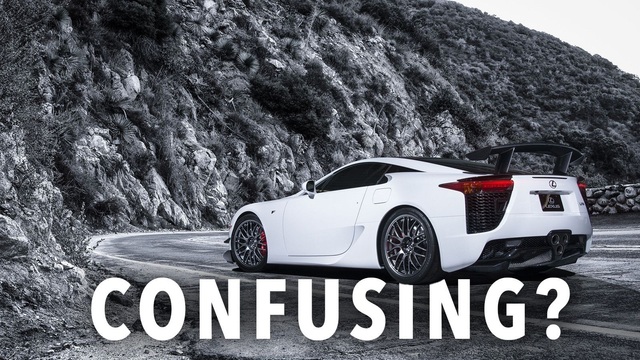
Top 10 Most Confusing Things Lexus Has Ever Done!
Joe Kucinski
2026 Lexus ES Review: Lexus Re-Embraces Founding Principles
Michael S. Palmer
10 Lexus Bargains That are Cheaper Than a New Toyota RAV4
Joe Kucinski
8 Weirdest Things Lexus Has Ever Built
Verdad Gallardo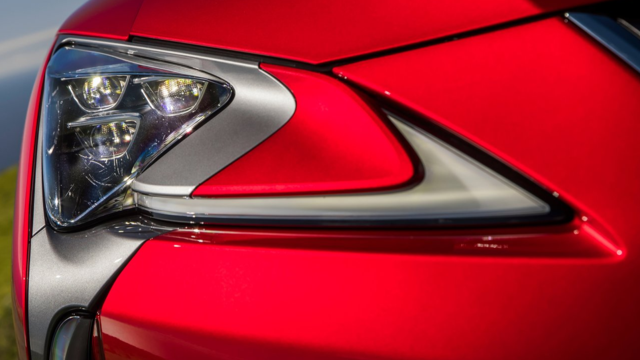
10 Lexus Designs That Have Aged Like Fine Wine
Verdad Gallardo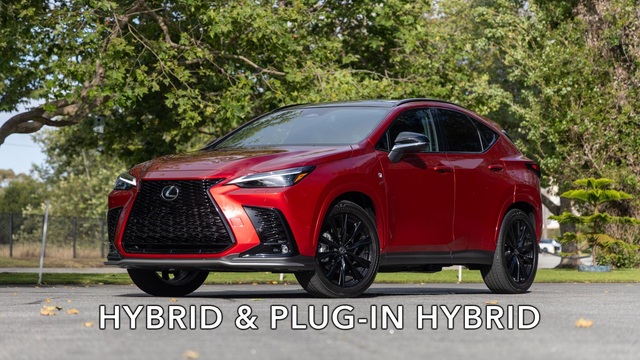
8 Tips for Improving Your Hybrid or Plug-in Hybrid's Efficiency!
Michael S. Palmer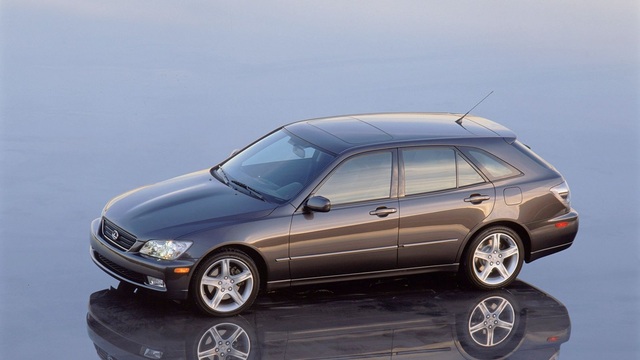
10 Best Lexus Models No One Remembers
Joe Kucinski
TRD Off-Road Premium: Best 2026 4Runner, Except This One Thing
Michael S. Palmer
Top 10 Lexus & Toyotas to Drive Before You Die!
Joe Kucinski
Thread
Thread Starter
Forum
Replies
Last Post
sc_lang
SC430 - 2nd Gen (2001-2010)
2
Jun 24, 2007 09:01 PM