I've been thinking and the gearing on the 3rd gen is more aggressive, but the car does weigh about 70 pounds more.
Is the weight difference enough to make it that much slower or is this a matter of other factors as well like:
1. Engine/transmission having some sort of "detuning" for fuel efficiency
2. extra drivetrain loss with different transmission, different drive shaft, or anything a part of the drive train.
3. different torque converter acting different like locking up at different times.
If anyone actually knows the reason why, please let me know I'm super curious
I've been thinking and the gearing on the 3rd gen is more aggressive, but the car does weigh about 70 pounds more.
Is the weight difference enough to make it that much slower or is this a matter of other factors as well like:
1. Engine/transmission having some sort of "detuning" for fuel efficiency
2. extra drivetrain loss with different transmission, different drive shaft, or anything a part of the drive train.
3. different torque converter acting different like locking up at different times.
If anyone actually knows the reason why, please let me know I'm super curious
I would say that the lower weight and higher FD ratio of the 2G IS350 certainly helps and are the main contributors.
Here's the best times that Road and Track had published for the 2IS250 and 3IS350 RWD models. We can see that the 2IS250 has a distinct advantage from 0-110mph but from 110-120mph, the additional gearing from the 3IS350 allows the car to catch up. IIRC, the stock 3IS350 dyno sheets posted tend to show a lower output to the wheels (245-255rwhp) than what a stock 2IS350 usually averages on a dynojet (260-270rwhp) though all dynos do have their deltas.
The final drive doesn't matter because the 3is transmission gear ratios make up for it.
I know on paper the gearing should be very similarly between the two, but when I owned my 2IS first gear was an absolute rocket. When I first bought it or whenever my family members drove it in parking lots they would shoot forward if it went into first gear lol. After a while it became muscle memory to lower your throttle input when you felt the car slowing down to first gear. I had no problems keeping up with Challengers, Mustangs, other sports cars from a dig (for a short while lol).
I can say with absolute confidence that this was smoothed out for the 8 speed transmission in both the 4GS and 3IS.
I am not engineer but I'd also be curious if comparing gear ratios to a final drive differential is apples to apples. Sure the transmission 1st gear may be 4.6 (3IS) over 3.5 (2IS) but how much of that advantage is lost with trans fluid, trans programming, trans engaging up etc.
If I had to chalk it up to something. I'd say tuning. I guess they felt it wasn't "Lexus" like. But typing this out made me miss my 2IS
I know on paper the gearing should be very similarly between the two, but when I owned my 2IS first gear was an absolute rocket. When I first bought it or whenever my family members drove it in parking lots they would shoot forward if it went into first gear lol. After a while it became muscle memory to lower your throttle input when you felt the car slowing down to first gear. I had no problems keeping up with Challengers, Mustangs, other sports cars from a dig (for a short while lol).
I can say with absolute confidence that this was smoothed out for the 8 speed transmission in both the 4GS and 3IS.
I am not engineer but I'd also be curious if comparing gear ratios to a final drive differential is apples to apples. Sure the transmission 1st gear may be 4.6 (3IS) over 3.5 (2IS) but how much of that advantage is lost with trans fluid, trans programming, trans engaging up etc.
If I had to chalk it up to something. I'd say tuning. I guess they felt it wasn't "Lexus" like. But typing this out made me miss my 2IS
I think you're right. I've been suspicious that the reason for the big difference is the tuning to make the car more "smooth" and Lexus like vs performance oriented
I think you're right. I've been suspicious that the reason for the big difference is the tuning to make the car more "smooth" and Lexus like vs performance oriented
For anyone wondering, these are the actual ratios (transmission ratio × final drive. not including wheel size)
is350 A760E1st 14.37
2nd 8.32
3rd 5.71
4th 4.08
5th 2.93
6th 2.40
is350 AA81E
1st 14.39
2nd 8.53
3rd 5.83
4th 4.58
5th 3.85
6th 3.13
7th 2.58
8th 2.14
Adding to above using A760E - 4.083 vs AA81E - 3.12 rear gear.
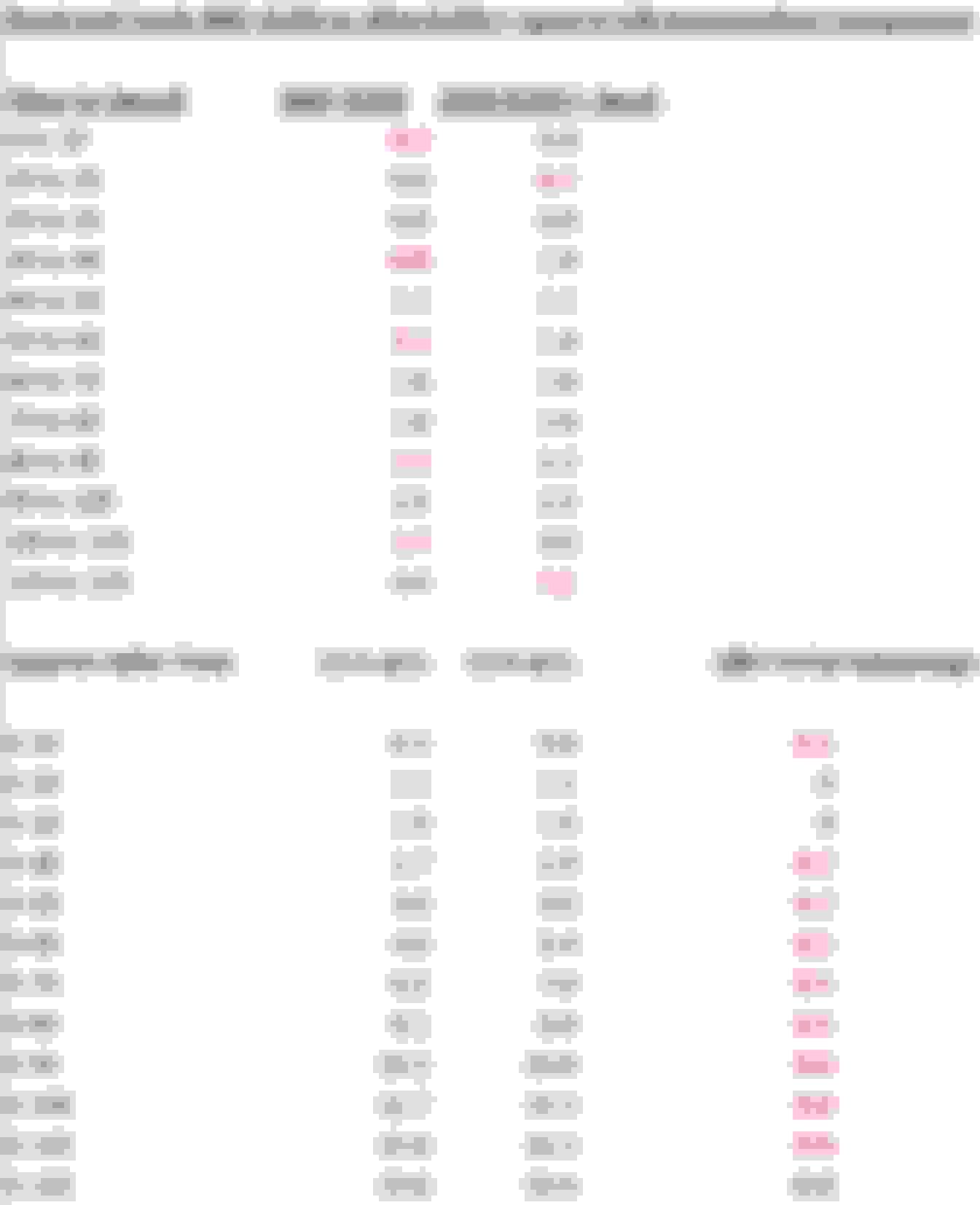
Here is a table illustrating the differences. 7th and 8th omitted.
Obviously these are theoretical maximums and real world truth is there are significant drivetrain losses as power levels increase, us the trans is not in lockup at WOT and then there is TC slip and aerodynamic losses kicking in to make this table mostly useless.
If I could make my Fusion App log data I could post that which might bring us back to earth. lol
On paper with its quicker shifts, they seem like they should be neck and neck but that is not the case.
Also, read the bottom of this about setting compensation codes for your transmission although it may only apply to AA81E and not out a760 or A960 (250).