




2015 gs350 tempature sending sensor location??

Thread Starter
Driver

Joined: Dec 2019
Posts: 86
Likes: 9
From: California
 2015 gs350 tempature sending sensor location??
Thanks again for this forum. It's been so helpful and knowledgeable for me. I have a 15 gs350 4th Gen and I'm trying to locate the tempature sending sensor?? Anyone have an idea ?? Ty

Lexus Champion


Joined: Nov 2014
Posts: 13,614
Likes: 2,921
From: Texas
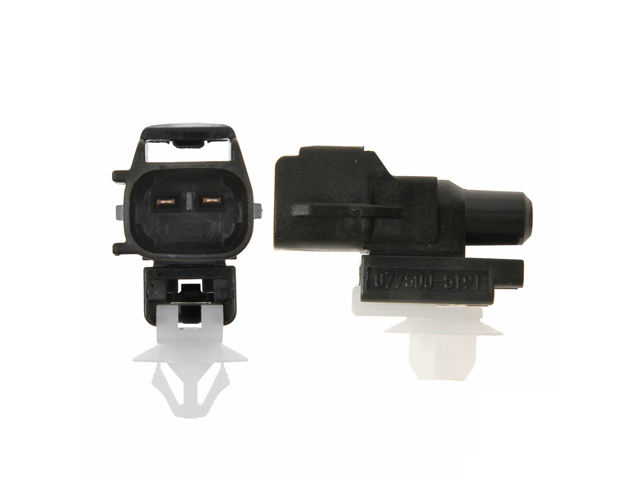
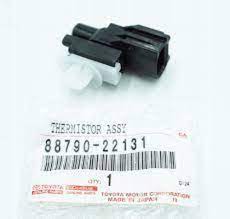
You should find the thermistor sensor located behind the front bumper. #14 in the parts image below. P/N 88790-22131 looks like the image below.
Thermistors are very accurate, ± 1°C and they rarely ever fail. The actual thermistor is protected inside the housing and usually reacts to temperature changes with a change in its resistance within 5-10 seconds.

Thermistors are very accurate, ± 1°C and they rarely ever fail. The actual thermistor is protected inside the housing and usually reacts to temperature changes with a change in its resistance within 5-10 seconds.
Last edited by bclexus; May 5, 2023 at 10:23 AM. Reason: orthography
Thread Starter
Driver
Joined: Dec 2019
Posts: 86
Likes: 9
From: California
You should find the thermistor sensor located behind the front bumper. #14 in the parts image below. P/N 88790-22131 looks like the image below.
Thermistors are very accurate, ± 1°C and they rarely ever fail. The actual thermistor is protected inside the housing and usually reacts to temperature changes with a change in its resistance within 5-10 seconds.
Thermistors are very accurate, ± 1°C and they rarely ever fail. The actual thermistor is protected inside the housing and usually reacts to temperature changes with a change in its resistance within 5-10 seconds.

Lexus Champion
Joined: Nov 2014
Posts: 13,614
Likes: 2,921
From: Texas
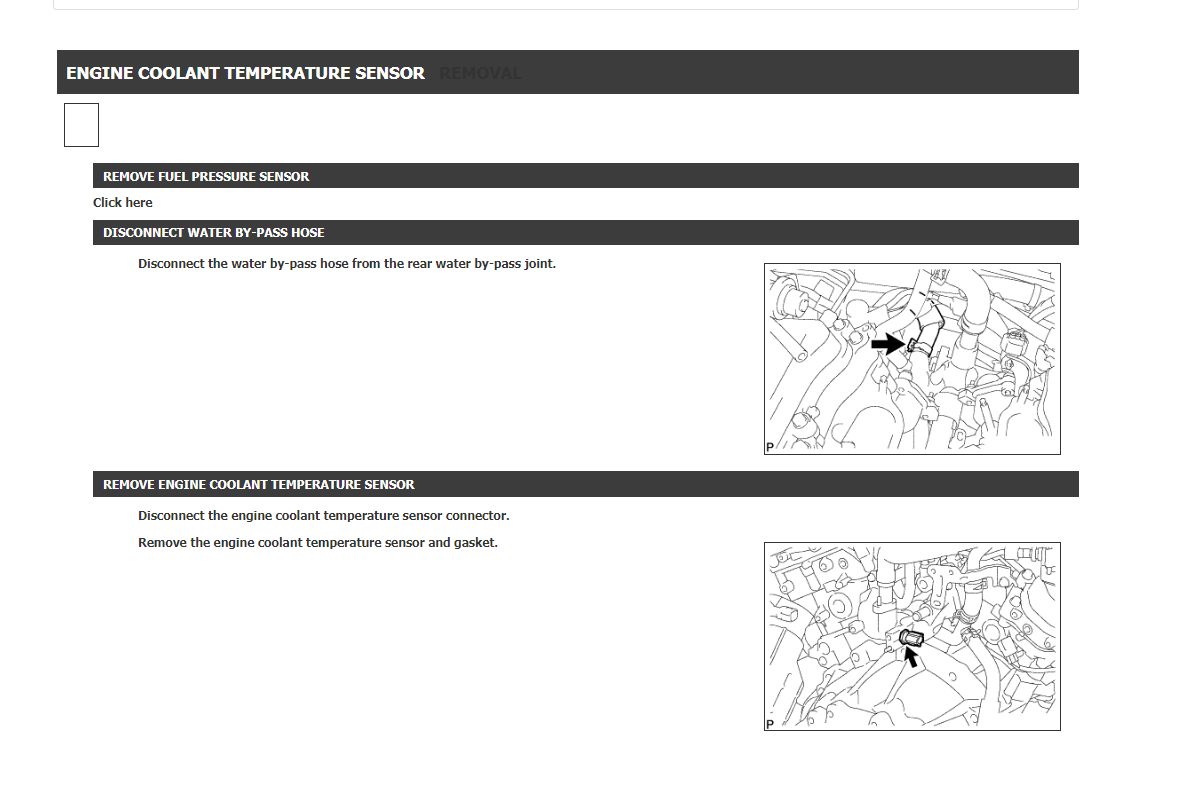
You only now included the fact that instead of the outside ambient temperature sensor - that you're actually looking for the engine coolant temperature sensor.

The engine coolant temperature sensor is not very easy to access. This video should help you.
This video should help you..
Last edited by bclexus; May 5, 2023 at 02:42 PM. Reason: orthography
Thread Starter
Driver
Joined: Dec 2019
Posts: 86
Likes: 9
From: California
Lexus Champion
Joined: Nov 2014
Posts: 13,614
Likes: 2,921
From: Texas
Now you want to find out where the engine crankshaft position sensor is located!
You should find the engine crankshaft position sensor down close by where the engine oil dipstick enters the oil pan.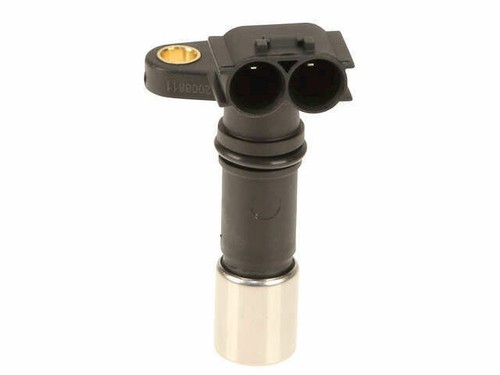

Here, this video should help answer all your 2GE-FE sensor location questions.
You should find the engine crankshaft position sensor down close by where the engine oil dipstick enters the oil pan.
Here, this video should help answer all your 2GE-FE sensor location questions.
Last edited by bclexus; May 5, 2023 at 01:55 PM. Reason: orthography
Trending Topics
You should find the thermistor sensor located behind the front bumper. #14 in the parts image below. P/N 88790-22131 looks like the image below.
Thermistors are very accurate, ± 1°C and they rarely ever fail. The actual thermistor is protected inside the housing and usually reacts to temperature changes with a change in its resistance within 5-10 seconds.
Thermistors are very accurate, ± 1°C and they rarely ever fail. The actual thermistor is protected inside the housing and usually reacts to temperature changes with a change in its resistance within 5-10 seconds.
Now the Troll part.
 He did Not ask about a "Thermistor" sensor! Got ya. Just because It was getting Boring in this Forum.
Last edited by DaveGS4; May 5, 2023 at 07:54 PM. Reason: baiting images removed. knock off the 6th grade
ClubLexus Stories
Celebrating Lexus & Toyota from Around the Globe

Top 10 Most Confusing Things Lexus Has Ever Done!
Joe Kucinski
2026 Lexus ES Review: Lexus Re-Embraces Founding Principles
Michael S. Palmer
10 Lexus Bargains That are Cheaper Than a New Toyota RAV4
Joe Kucinski
8 Weirdest Things Lexus Has Ever Built
Verdad Gallardo
10 Lexus Designs That Have Aged Like Fine Wine
Verdad Gallardo
8 Tips for Improving Your Hybrid or Plug-in Hybrid's Efficiency!
Michael S. Palmer
10 Best Lexus Models No One Remembers
Joe Kucinski
TRD Off-Road Premium: Best 2026 4Runner, Except This One Thing
Michael S. Palmer
Top 10 Lexus & Toyotas to Drive Before You Die!
Joe Kucinski
Lexus Champion
Joined: Nov 2014
Posts: 13,614
Likes: 2,921
From: Texas
Well, Jamie, nice try on the gotcha - but it's backfired on you. You blew it again!

You see, it's clear that you are oblivious to the absolute fact that the coolant sensor is indeed a thermistor, just like the outside ambient temperature sensor is a thermistor. There are dozens of temperature sensors in our 4th Gen GS and all of them are (wait for it) yes - thermistors!
Maybe one of these days you'll learn!
__________________
Last edited by DaveGS4; May 5, 2023 at 07:54 PM. Reason: baiting images removed. knock off the 6th grade
Relax its a joke. I'll let you try winning the "Exit the Thread" Award on this one 1st. 
BTW - Car Engine coolant Thermistors (engine coolant temperature sensors), are actually called Negative Temperature Coefficient (NTC) thermistor. for most car engines. But everyone calls them engine coolant temperature sensor.
BTW - Car Engine coolant Thermistors (engine coolant temperature sensors), are actually called Negative Temperature Coefficient (NTC) thermistor. for most car engines. But everyone calls them engine coolant temperature sensor.
Sometimes they get gummed up in there. Changing them out if they are is a good idea, because it feeds the ECT more accurate readings of temperature, than it would gooped and covered with gummed up materials. Can allow the ECU to perform a bit better sometimes.


Lexus Champion
Joined: Nov 2014
Posts: 13,614
Likes: 2,921
From: Texas
Relax its a joke. I'll let you try winning the "Exit the Thread" Award on this one 1st.
BTW - Car Engine coolant Thermistors (engine coolant temperature sensors), are actually called Negative Temperature Coefficient (NTC) thermistor. for most car engines. But everyone calls them engine coolant temperature sensor.
BTW - Car Engine coolant Thermistors (engine coolant temperature sensors), are actually called Negative Temperature Coefficient (NTC) thermistor. for most car engines. But everyone calls them engine coolant temperature sensor.
There are two types of thermistors, NTC and PTC - Negative Temperature Coefficient (NTC) thermistors have less resistance at higher temperatures, while Positive Temperature Coefficient (PTC) thermistors have more resistance at higher temperatures. PTC thermistors are mostly used to 'regulate' temperature in equipment and devices or to provide overcurrent protection, whereas NTC thermistors are always used to actually read temperature.
Our vehicles have dozens of thermistors used for various purposes. The equipment for my primary residence (e.g. HVAC systems, pool, spa, irrigation system, on/off thermostatically-controlled heat cable systems for water pipe freeze protection, HVAC smart thermostats, outdoor temperature monitors, attic temperature monitor, garage temperature monitor, buried in yard to monitor the turf soil and garden soil temperature, refrigerator, wine cooler, freezer, ovens, microwave, dishwasher, clothes washer & dryer, garage door openers, gate operator, computers, display monitors, televisions, scanner, printer, smart phones, etc.) all have these wonderful, remarkable little thermistors. Needless to say, I know a little bit about thermistors!
As strange as it may seem I love using thermistors, and enjoy incorporating thermistors into circuitry and equipment - some of which it may surprise you to learn - that I actually design and build myself.


Last edited by bclexus; May 6, 2023 at 01:43 PM. Reason: orthography

Thread
Thread Starter
Forum
Replies
Last Post
Mtandle
GS - 4th Gen (2013-2020)
7
May 8, 2023 10:43 AM