


8th generation ES!

Lexus Test Driver


Joined: Jul 2017
Posts: 9,659
Likes: 3,438
From: NJ
Lexus Test Driver
Joined: Jul 2017
Posts: 9,659
Likes: 3,438
From: NJ

To me, the new RAV4 looks as boring as it's predecessor. Plus it's really apples and oranges to compare the 2.

Pole Position


Joined: May 2021
Posts: 2,555
Likes: 1,376
From: IL
For all the deceptive complaints you've previously lodged about the 7th gen ES in every category from workmanship to safety, it says volumes that even you think a reskin of the old car would be preferable to the new one. As American ES buyers and ex-buyers, we all need to come to terms with the harsh reality: In any way that we've known it for 35 years, this new car is not an ES. The ES has been discontinued.

Racer

Joined: Jan 2011
Posts: 1,423
Likes: 461
From: oh
Toyota has bet Lexus's future on BEVs. They've committed Lexus to be 100% BEV by 2035.
The rest of the market is having second thoughts about their BEV commitments. Honda just dialed back their commitment to BEVs in a big way (see the article below). Other car manufacturers have backed off their push to electrification as well due to lagging demand for BEVs.
https://finance.yahoo.com/news/japan...051912161.html
Will Lexus follow suit?
The rest of the market is having second thoughts about their BEV commitments. Honda just dialed back their commitment to BEVs in a big way (see the article below). Other car manufacturers have backed off their push to electrification as well due to lagging demand for BEVs.
https://finance.yahoo.com/news/japan...051912161.html
Will Lexus follow suit?
https://www.lexusstevenscreek.com/bl...iKC9i_cH_0l9Pd
https://lexusenthusiast.com/2021/12/...ctric-by-2030/
I don't think this was ever really true in the first place. When Toyota was catching s**t in the press and the investment markets for not being BV enough, they announced this to toss them a bone. But the very fact that Toyota committed their sub-brand but not their volume brand says it all about how serious they weren't.
Pole Position
Joined: May 2021
Posts: 2,555
Likes: 1,376
From: IL
What I AM saying is that Toyota committing only one division to a powertrain choice that wouldn't fully hit the market until 10 years later is, understandably, a commitment that's still very much subject to change. I'm also saying it's far less firm of a commitment to luxury EVs in the first place than the one made by, say, Lucid. If Lucid's EVs fail, they're dead. Period. Toyota is much less committed than that, which to me is a very good thing.
Racer
Joined: Jan 2011
Posts: 1,423
Likes: 461
From: oh
I'm not saying anything nearly that inflammatory. If every carmaker who's walked back their EV timetable so far were branded a liar, there wouldn't be an honest one left in the industry. (Just ask Ford, which publicly announced its intention to ghettoize its entire gas-engine vehicle business and all its existing dealers while throwing the best of its resources solely into a new EV division, then hastily walked it back when the EVs didn't sell and the dealers rebelled en masse.)
What I AM saying is that Toyota committing only one division to a powertrain choice that wouldn't fully hit the market until 10 years later is, understandably, a commitment that's still very much subject to change. I'm also saying it's far less firm of a commitment to luxury EVs in the first place than the one made by, say, Lucid. If Lucid's EVs fail, they're dead. Period. Toyota is much less committed than that, which to me is a very good thing.
What I AM saying is that Toyota committing only one division to a powertrain choice that wouldn't fully hit the market until 10 years later is, understandably, a commitment that's still very much subject to change. I'm also saying it's far less firm of a commitment to luxury EVs in the first place than the one made by, say, Lucid. If Lucid's EVs fail, they're dead. Period. Toyota is much less committed than that, which to me is a very good thing.
I was only asking if you thought that Lexus would actually achieve the goal of being 100% BEV in North America by 2030 (and 100% BEV globally by 2035). Or if they would have some sort of announcement before 2030 backing away from that goal just like a lot of other car companies have already done.
Pole Position
Joined: May 2021
Posts: 2,555
Likes: 1,376
From: IL
I didn't mean to imply that Lexus backing away from the commitment would be like not fulfilling a promise or something like that. Poor choice of words on my part.
I was only asking if you thought that Lexus would actually achieve the goal of being 100% BEV in North America by 2030 (and 100% BEV globally by 2035). Or if they would have some sort of announcement before 2030 backing away from that goal just like a lot of other car companies have already done.
I was only asking if you thought that Lexus would actually achieve the goal of being 100% BEV in North America by 2030 (and 100% BEV globally by 2035). Or if they would have some sort of announcement before 2030 backing away from that goal just like a lot of other car companies have already done.
As for the question, honestly I don't think it matters much. Not meaning that in a negative way. Just figuring that if the customer demand is there, Lexus will move forcefully to meet it. And if the customer demand isn't there, obviously not many people will mind that Lexus is still offering non-EV cars.

Racer


Joined: Jan 2004
Posts: 1,958
Likes: 480
From: North Carolina
The mandates that were in place are no longer there so the auto industry has some time to rethink and adjust. With improving battery tech and infrastructure hopefully the market alone will dictate the direction.
ClubLexus Stories
Celebrating Lexus & Toyota from Around the Globe

Lexus NX 350h: A Fuel-Sipping Secret Hot Hatch???
Michael S. Palmer
5 Best & 5 Worst Lexus Daily Drivers
Joe Kucinski
Top 5 Hottest Lexus & Toyotas in 2026 (Hardest To Buy)
Brett Foote
2026 Lexus IS 350 F Sport Review: The Last of Its Kind Still Rocks
Michael S. Palmer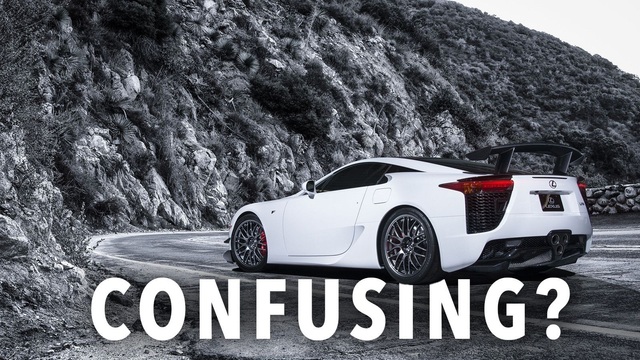
Top 10 Most Confusing Things Lexus Has Ever Done!
Joe Kucinski
2026 Lexus ES Review: Lexus Re-Embraces Founding Principles
Michael S. Palmer
10 Lexus Bargains That are Cheaper Than a New Toyota RAV4
Joe Kucinski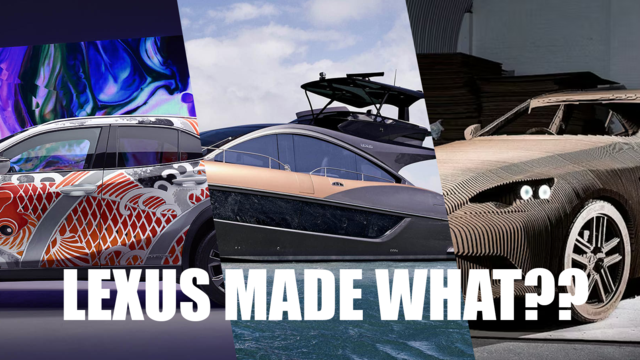
8 Weirdest Things Lexus Has Ever Built
Verdad Gallardo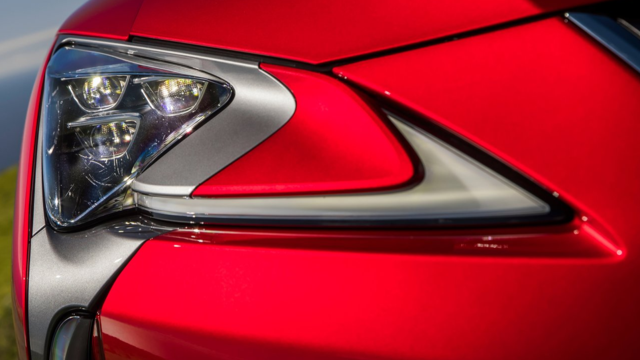
10 Lexus Designs That Have Aged Like Fine Wine
Verdad Gallardo


Pit Crew
Joined: Sep 2020
Posts: 185
Likes: 139
From: NC
 It is just that they were standing 10 feet away...
Pole Position
Joined: May 2021
Posts: 2,555
Likes: 1,376
From: IL
