



Hyundai Palisade SUV

If the problem is the foam under the leather, Hyundai would need to find a way to cover/seal the exposed foam in the headrest holes, then cover/seal the foam underneath all of the perforated leather (and there's a lot of that). The problem is that you can't seal the foam with a vapor barrier as any spills would just sit on the leather and damage it, and it would interfere with the seat heating/ventilation operation. Seems like the only fix (if the foam is the root cause) might be reupholstering the seats with a different foam, which would be expensive as hell. Sucks for Hyundai 

Lexus Fanatic


Joined: Oct 2003
Posts: 94,542
Likes: 264
From: Virginia/D.C. suburbs
One thing that contributes to smells is when mold and condensation build up in the A/C vents. Spraying Lysol or a similar disinfectant into the A/C intakes who the system is operating (a trick that Pat Goss, from Motorweek, once demonstrated) sometimes helps.....other times, it will need a professional cleaning. But that usually doesn't apply to a brand-new vehicle.

Lexus Test Driver


Joined: Mar 2020
Posts: 5,482
Likes: 89
From: N/A
If the problem is the foam under the leather, Hyundai would need to find a way to cover/seal the exposed foam in the headrest holes, then cover/seal the foam underneath all of the perforated leather (and there's a lot of that). The problem is that you can't seal the foam with a vapor barrier as any spills would just sit on the leather and damage it, and it would interfere with the seat heating/ventilation operation. Seems like the only fix (if the foam is the root cause) might be reupholstering the seats with a different foam, which would be expensive as hell. Sucks for Hyundai
ClubLexus Stories
Celebrating Lexus & Toyota from Around the Globe

Top 10 Most Confusing Things Lexus Has Ever Done!
Joe Kucinski
2026 Lexus ES Review: Lexus Re-Embraces Founding Principles
Michael S. Palmer
10 Lexus Bargains That are Cheaper Than a New Toyota RAV4
Joe Kucinski
8 Weirdest Things Lexus Has Ever Built
Verdad Gallardo
10 Lexus Designs That Have Aged Like Fine Wine
Verdad Gallardo
8 Tips for Improving Your Hybrid or Plug-in Hybrid's Efficiency!
Michael S. Palmer
10 Best Lexus Models No One Remembers
Joe Kucinski
TRD Off-Road Premium: Best 2026 4Runner, Except This One Thing
Michael S. Palmer
Top 10 Lexus & Toyotas to Drive Before You Die!
Joe Kucinski


Thread Starter
Joined: Oct 2008
Posts: 42,476
Likes: 321
From: California
Hyundai will make the nicest version of the Palisade more accessible
It will make the Calligraphy trim available with front-wheel-drive
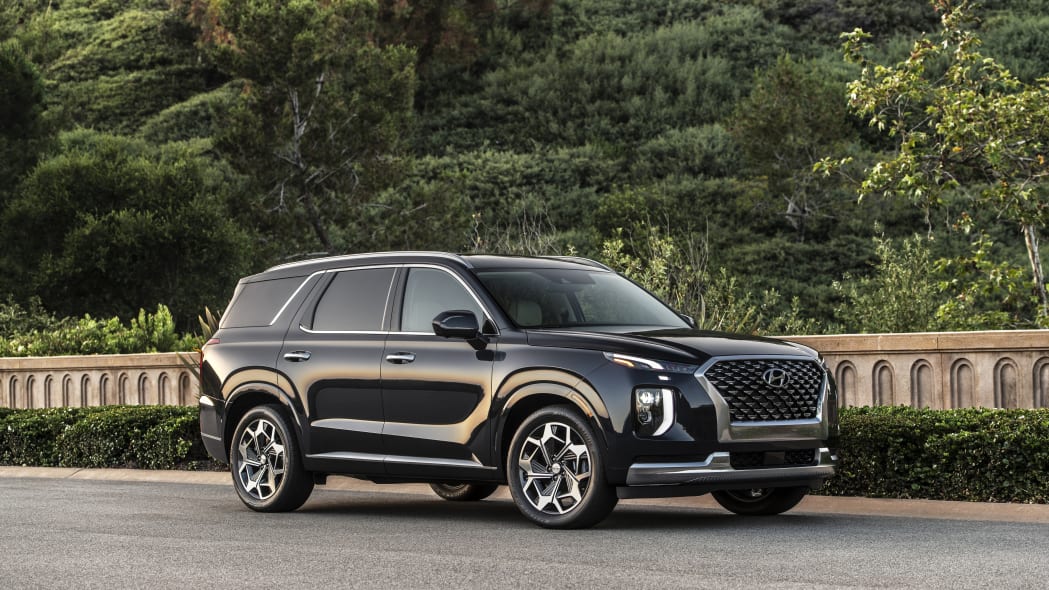
Hyundai's most expensive non-electrified model, the Palisade Calligraphy, will soon become more affordable. The South Korean company confirmed plans to release a front-wheel-drive version of its upmarket SUV.
As of writing, the range-topping Calligraphy is only offered with Hyundai's HTRAC all-wheel-drive system. It starts at $48,925, including a mandatory $1,175 destination charge. CarsDirect learned that a front-wheel-drive model is on its way, and Hyundai quickly confirmed the report. Sending power exclusively to the front wheels will reduce the SUV's price by $1,700, according to the publication, bringing its price down to $47,225 including destination.
The rear axle is the only component getting sent back to the parts bin, so the front-wheel-drive Calligraphy will continue to offer 20-inch wheels, a generous serving of chrome trim, and quilted leather upholstery (which no longer smells). Power will still come from a 3.8-liter V6 engine that develops 291 horsepower and 262 pound-feet of torque. It will be bolted to an eight-speed automatic transmission. Fuel economy should improve across the board, too.
Hyundai won't wait until the 2022 model year to release the front-wheel-drive Calligraphy, so we expect to receive official information about the SUV in the coming weeks. With or without all-wheel-drive, the Palisade starts near $50,000, but it's not the firm's most expensive model. Hyundai charges $58,735 for the hydrogen-powered Nexo. To put these figures into perspective, Hyundai-owned Genesis charges $49,925 for a rear-wheel-drive GV80.
As of writing, the range-topping Calligraphy is only offered with Hyundai's HTRAC all-wheel-drive system. It starts at $48,925, including a mandatory $1,175 destination charge. CarsDirect learned that a front-wheel-drive model is on its way, and Hyundai quickly confirmed the report. Sending power exclusively to the front wheels will reduce the SUV's price by $1,700, according to the publication, bringing its price down to $47,225 including destination.
The rear axle is the only component getting sent back to the parts bin, so the front-wheel-drive Calligraphy will continue to offer 20-inch wheels, a generous serving of chrome trim, and quilted leather upholstery (which no longer smells). Power will still come from a 3.8-liter V6 engine that develops 291 horsepower and 262 pound-feet of torque. It will be bolted to an eight-speed automatic transmission. Fuel economy should improve across the board, too.
Hyundai won't wait until the 2022 model year to release the front-wheel-drive Calligraphy, so we expect to receive official information about the SUV in the coming weeks. With or without all-wheel-drive, the Palisade starts near $50,000, but it's not the firm's most expensive model. Hyundai charges $58,735 for the hydrogen-powered Nexo. To put these figures into perspective, Hyundai-owned Genesis charges $49,925 for a rear-wheel-drive GV80.


