When you click on links to various merchants on this site and make a purchase, this can result in this site earning a commission. Affiliate programs and affiliations include, but are not limited to, the eBay Partner Network.
I obtained a spare intake manifold from a 1999 LS400 to investigate feasibility of extrude honing the intake runners.
Due to their square shape and inaccessibly long runners, traditional porting would not remove internal casting roughness....
Right now I am not seeking comment on the extrude honing process...
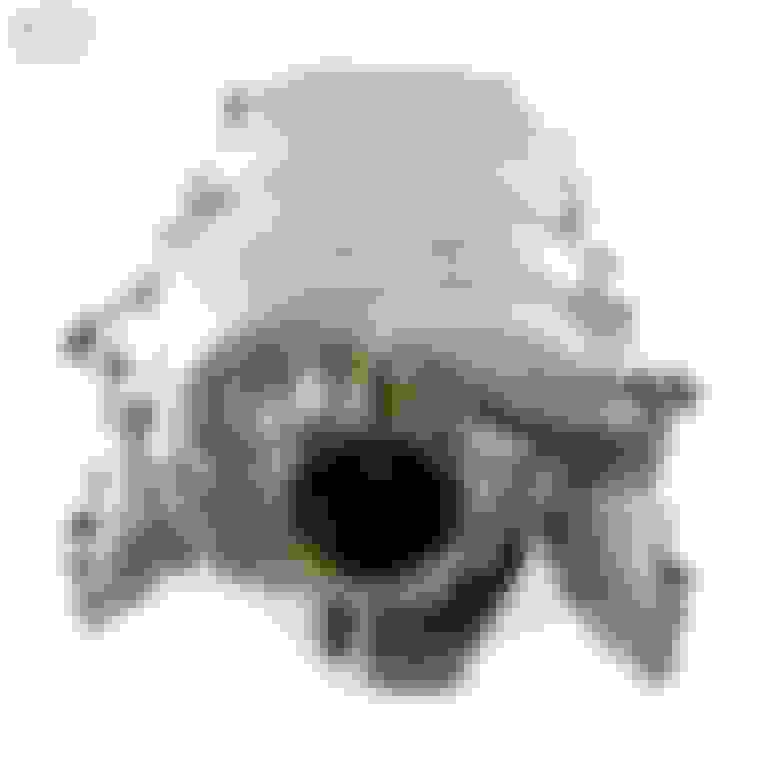
The service provider received the intake manifold today and commented it was an excellent candidate for extrude honing...but in the way there was a vaccum port with a tube that protrudes vertically directly in the intake path where the throttle body attaches to the intake...apparently configured for emmissions.
The presssure of the abrasive medium might damage this tube or abrade it away ..
It attaches via a vacuum hose to a VSV for emmissions..
Is there any reason this tube extends about an inch into the intake stream?...and if it were cut back flush with the roof of the intake what would be the effect?
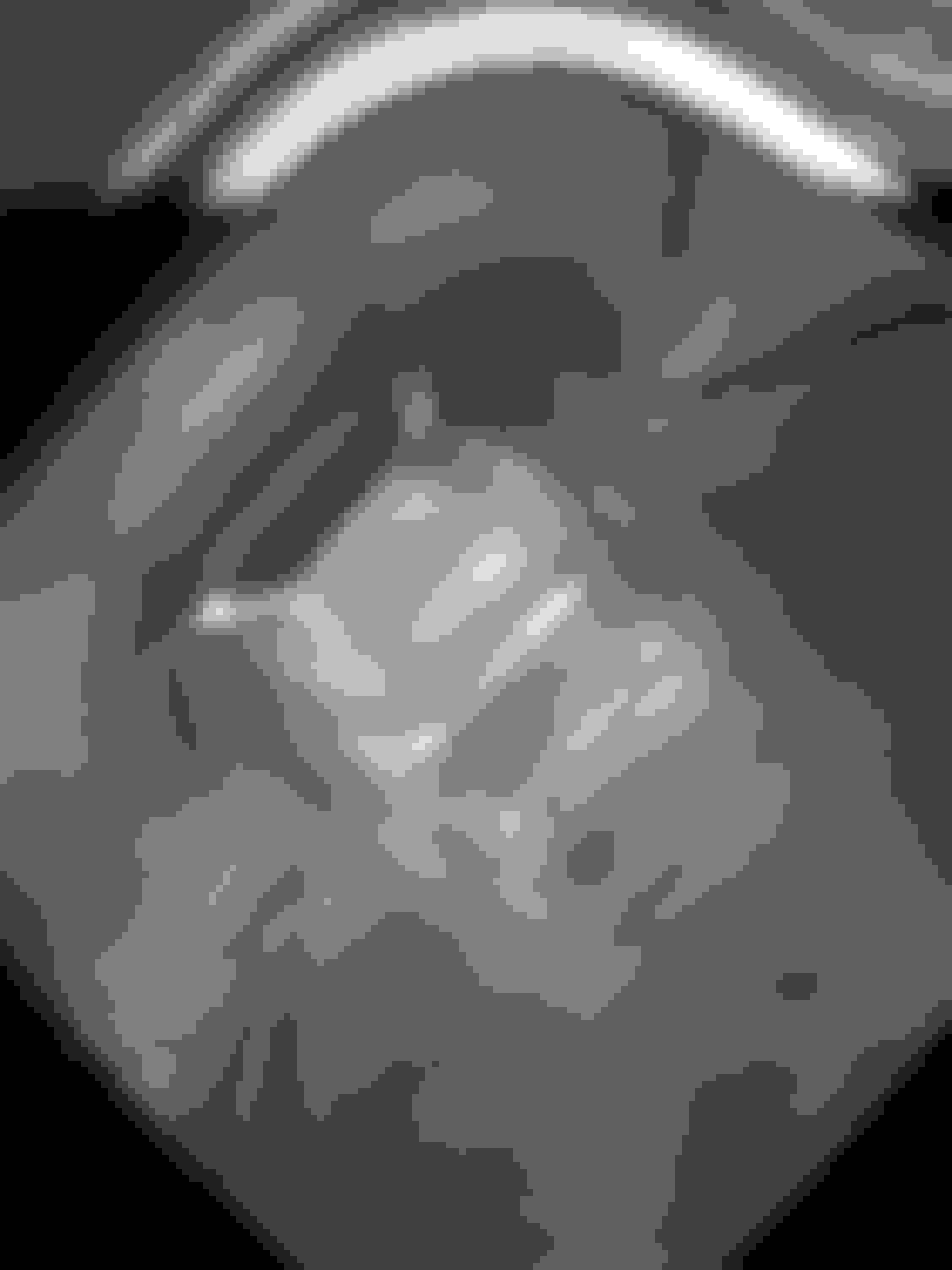
It seems placement and length only impedes and disrupts airflow.. Front of intake depicting at top of air intake a tube extending into the inlet port... Anyone cut this flush with roof of intake? Top of intake showing routing of the port -vacuum hose-VSV
Just remove it.
Maybe they figured that being low would help enhance vacuum at higher throttle settings due to the airflow past or over it. Just like blowing on a straw of over the opening of it.
Extrude hone? Why? The upper and lower bolt together take it apart and either machine it or use rotary files and abrasives to accomplish what you want.
I see little benefit to this idea. the VVTi-series UZ intakes are by nature very high flowing, as are the heads. What exactly do you hope to accomplish with extrude/hone? What kind of gains do you hope to see?
The 2GS and truck guys have been doing VVTi UZ engine development for years and years, those engines don't really respond much to basic intake modifications as the factory setups were mostly quite low on restriction. Exhaust/fuel/timing modifications are where the power is in terms of naturally aspirated performance.
As far as your question about the VSV vacuum tube, I would guess it was intentionally placed in order to maximize vacuum throughout all phases of the ACIS (Acoustic Control Induction System) as it alters runner length, and to ensure a clean (non-turbulent) airflow so close to the throttle body.
Last edited by PureDrifter; Feb 6, 2017 at 07:38 PM.
I see little benefit to this idea. the VVTi-series UZ intakes are by nature very high flowing, as are the heads. What exactly do you hope to accomplish with extrude/hone? What kind of gains do you hope to see?
The 2GS and truck guys have been doing VVTi UZ engine development for years and years, those engines don't really respond much to basic intake modifications as the factory setups were mostly quite low on restriction. Exhaust/fuel/timing modifications are where the power is in terms of naturally aspirated performance.
As far as your question about the VSV vacuum tube, I would guess it was intentionally placed in order to maximize vacuum throughout all phases of the ACIS (Acoustic Control Induction System) as it alters runner length, and to ensure a clean (non-turbulent) airflow so close to the throttle body.
Looking into intake runne from lower intake runner side looking up. The shiny transition from the lower to upper intake section is depicted to the right of the black kidney shape..(which can be port matched ttaditionally...however our intake runners are inaccessible the rest of the way..
Following is excerpt from above link to article authored by David Vizard suggesting reduced thermal transfer to intake charge in intake runners(fuel injection) via extrude honing;
"I send the lower and upper half of the intake to be “extrude honed.” In this process, a highly viscous compound containing grit is forced through the runners. This produces a very smooth surface finish, and in so doing achieves two things: First, and most obvious, is that it smoothes out casting imperfections that may have snagged the airflow somewhat. Second, the smooth finish has far less surface area than a cast finish, so the charge picks up less heat from the walls of the intake."
I'm not debating the benefits of an extrude hone on old sand-cast 60's parts, i'm asking about the benefit from the relatively well-cast and finished parts made in the past 30 years.
And, even if there is a benefit on the UZ engines, it would be marginal at best, and without aftermarket engine management, would have minimal effect on power or efficiency.
I'm not debating the benefits of an extrude hone on old sand-cast 60's parts, i'm asking about the benefit from the relatively well-cast and finished parts made in the past 30 years.
And, even if there is a benefit on the UZ engines, it would be marginal at best, and without aftermarket engine management, would have minimal effect on power or efficiency.
I think I prefaced ths post that I was not seeking comment on the extrude hone process, but whether any effect of shortening the emmissions tube extending into the intake stream....
Among other components, I contend Toyota did not fully perfect the design of this mass produced intake manifold, however if you care to share before and after dyno testimg on the same manifold to support your position, now is the time....otherwise kindly allow for before and after chassis dyno testing results (rear wheel horsepower) to post on my project. Thank you....
I think I prefaced ths post that I was not seeking comment on the extrude hone process, but whether any effect of shortening the emmissions tube extending into the intake stream....
Among other components, I contend Toyota did not fully perfect the design of this mass produced intake manifold, however if you care to share before and after dyno testimg on the same manifold to support your position, now is the time....otherwise kindly allow for before and after chassis dyno testing results (rear wheel horsepower) to post on my project. Thank you....
You brought the extrude hone topic up, by posting in this public forum you agree to open yourself up to any and all relevant, polite, discourse.
I can concede that Toyota (obviously) didn't make a mass-production part for sheer performance, but based on data I've seen ove the years I can make a sound hypothesis that that any improvement for an otherwise STOCK car will be minute.
I look forward to your before and after dyno numbers, maybe you can unlock some magical new performance. However until evidence is presented, I'll remain a skeptic of quick and easy gains.
And really an extrude hone outfit will love to see this come in, because its a total waste of time and money, I would bet there is zero HP picked up from the process on that manifold. Even if it did do a small bit to improve flow, if you don't have the other modifications to use that flow, nothing will come from it. And then you have to ask why? Unless its an engine for competition there is no need to pick up an extra 5 hp for a car that uses close to 20hp to drive to and from work everyday. It makes no sense.
Yodaone, I do like some of the stuff you come up with on this site your a very sharp car guy that has caught some engineering shortcommings on these cars. So please don't take any of our criticism the wrong way. And please do continue on with the test and keep us uptodate.
If it improves power and fuel economy then we will have egg on our faces.
The 8 gang inline vacuum actuated butterfly valves were removed and a plate installed..so the compound internally travels the entire length of the low-mid RPM intake runner
The honing composition is intaked through the manifold via the throttle body mounting opening.
I anticipate receiving additional images throughout the process and will share when available.
This manifold, while well designed has a lot of casting flash in the long (very inaccesible) runners, and the rough casting suface (=greater surface area) imparts heat into the intake stream....
The black goo is an abrasive compound that will smooth, refine and polish the intake runners in the direction of airflow...
Power will increase across the torque curve while improving engine efficiency..
Unfortunately, it doesn't do that. The abrasive slurry follows the shortest path through the ports: the concave outer radius of each curve, which is definitely not how air travels, nor where you want it to flow.
This is not a computer program, the material has no idea what effect it has, it just removes surface metal as it goes along. Any change in shape is accidental, and not planned to improve port flow in any way - it can't. Any positive result is an accident.
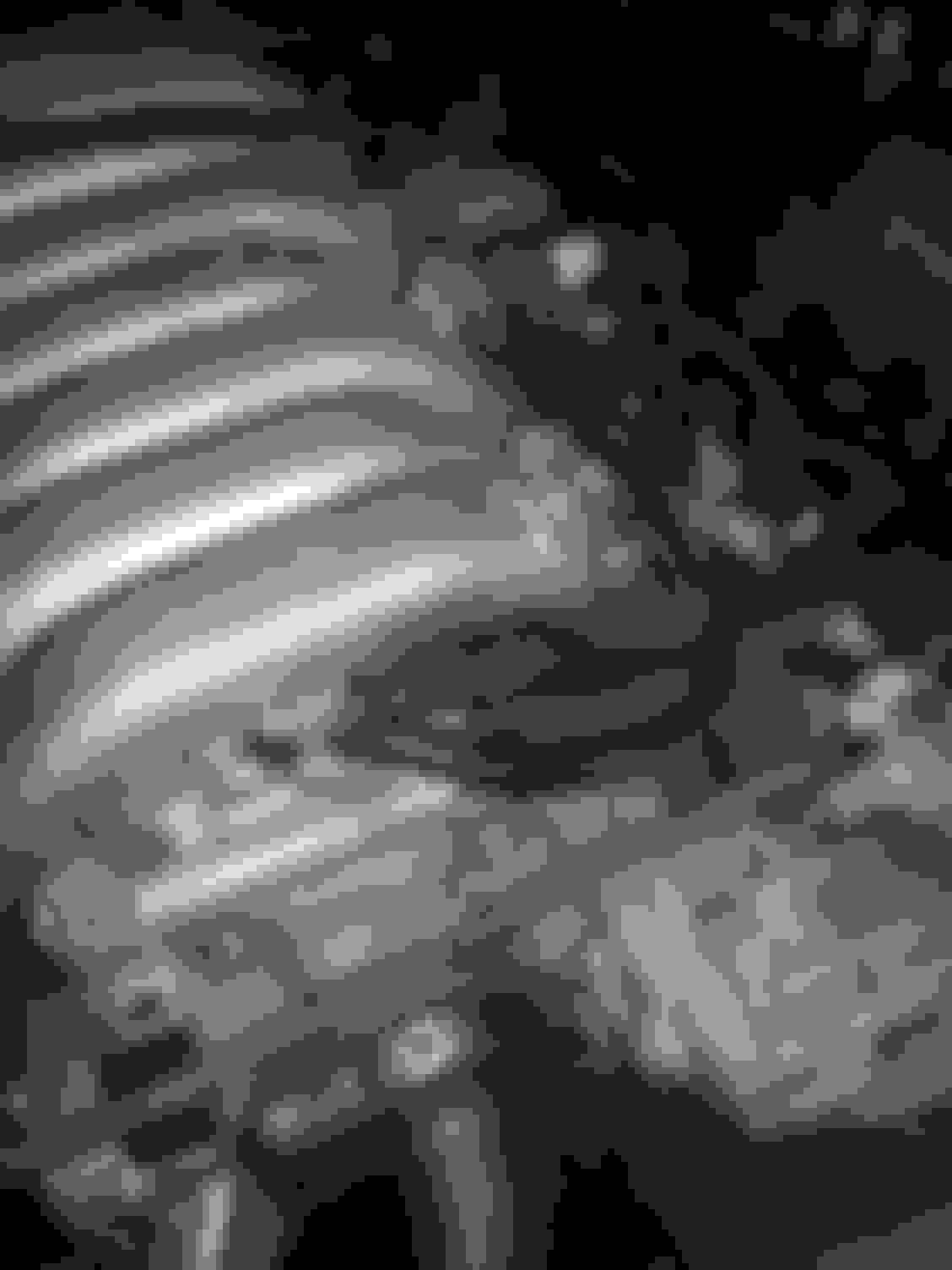
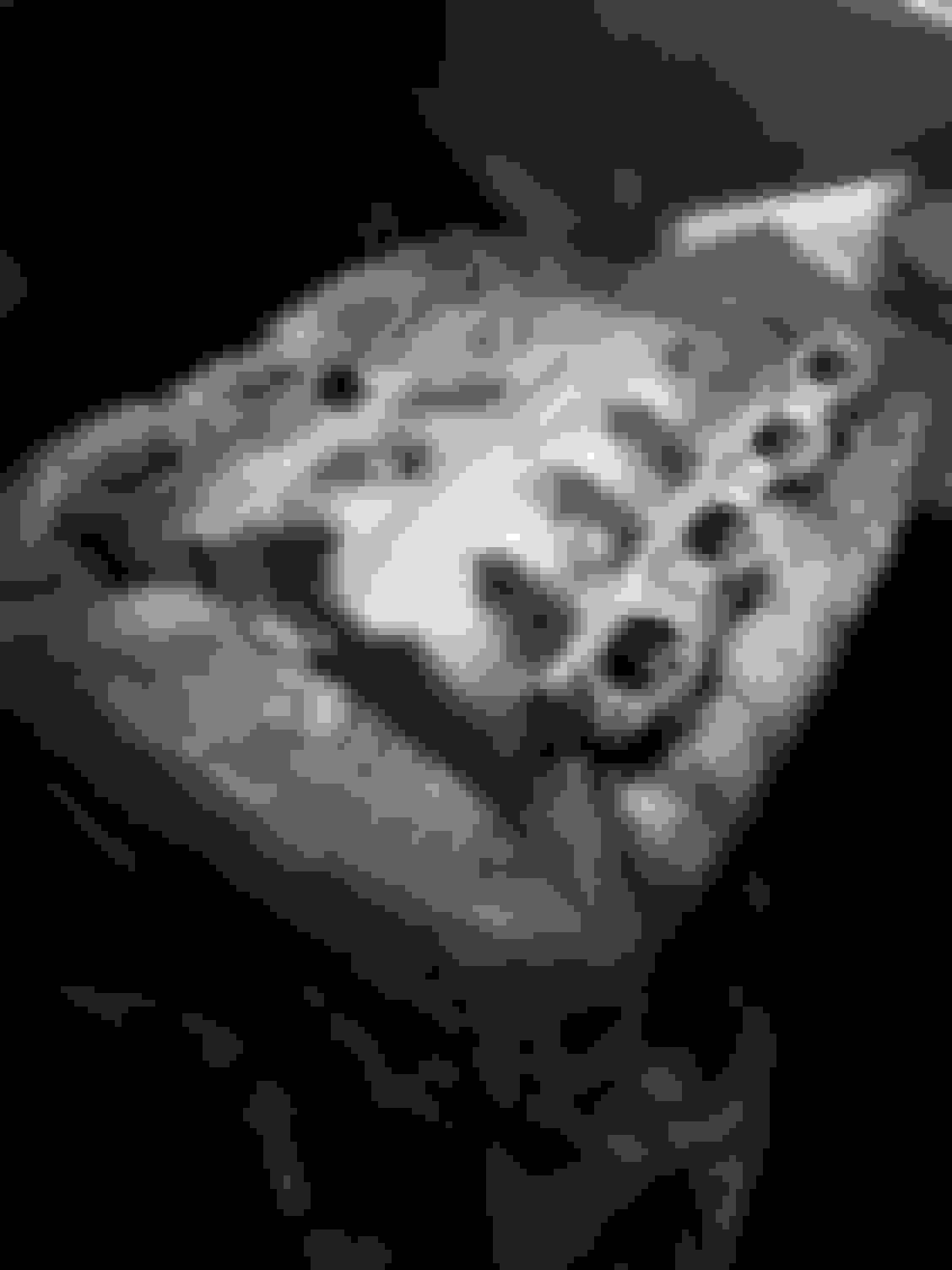
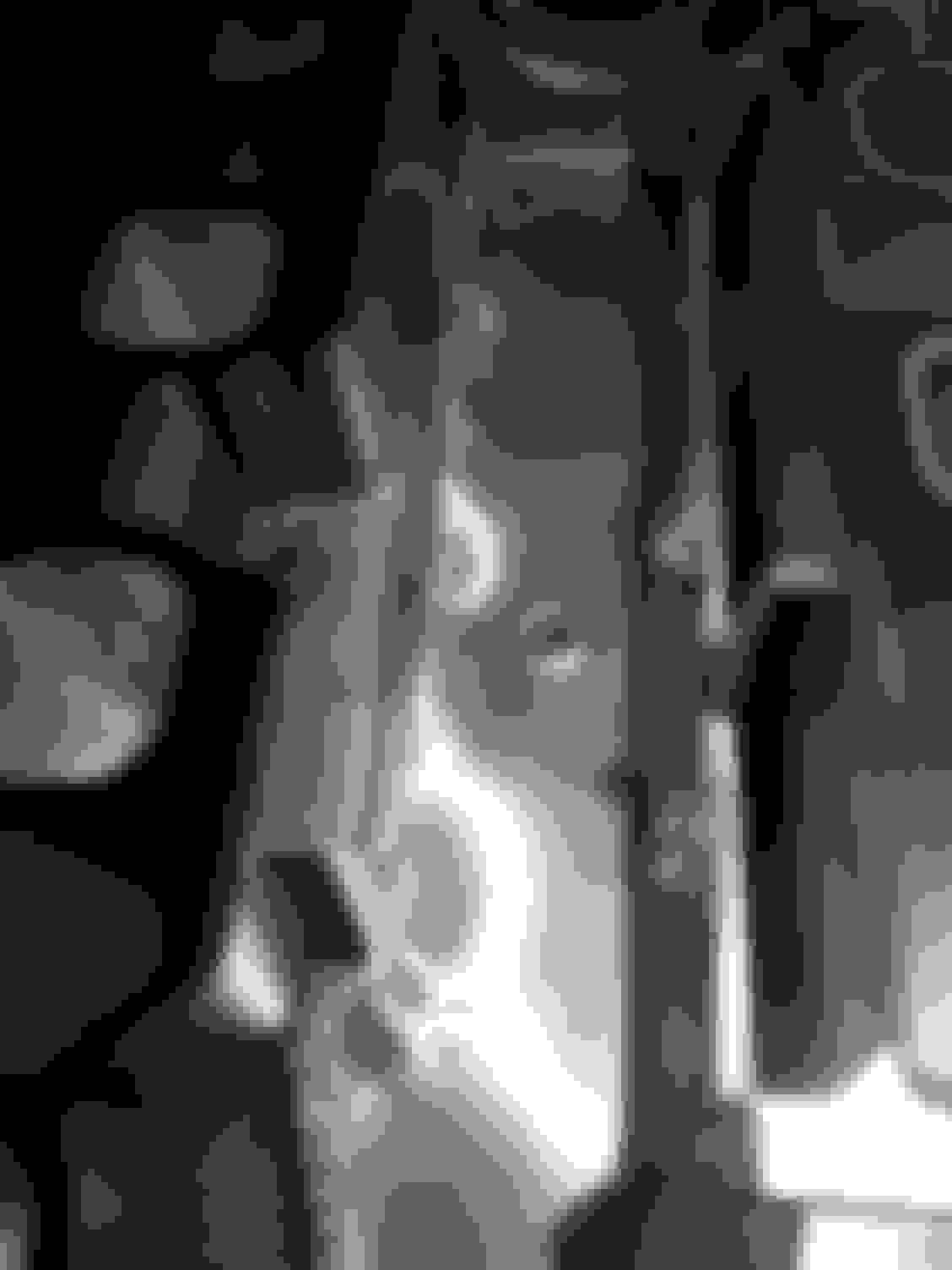
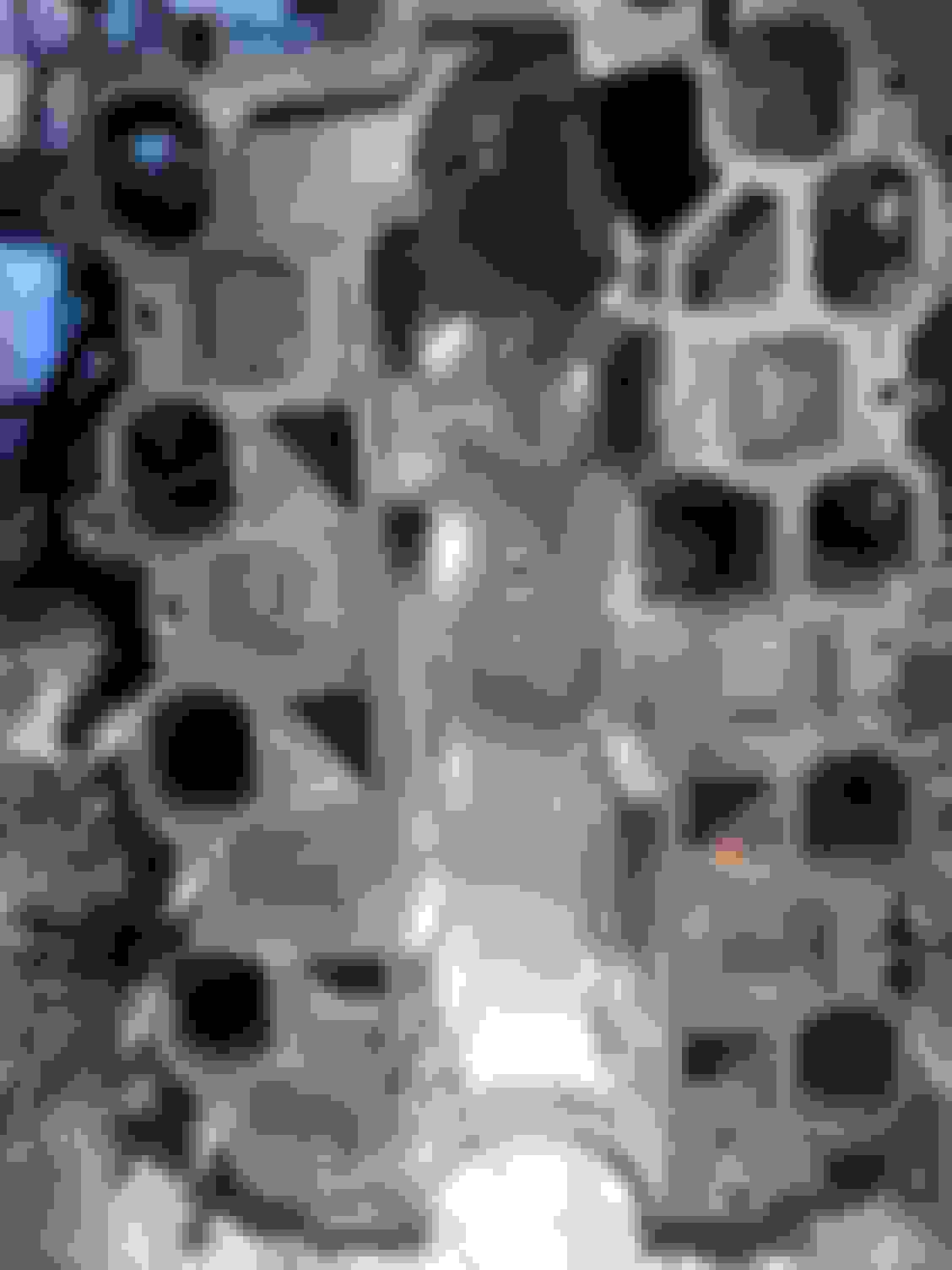
Received Extrude-Honed intake manifold for 1999 LS400 from Extrude Hone.....very pleased with the results...a few images with comments. Manifold received in blow-molded foam... (top cover of molded foam packing removed) Excellent packing job by Extrude Hone. Lower valley of intake manifold...casting roughness and flashing removed. Looking from topside through intake runner on lower half of intake....smooth... just a little casting flash line remains on the side...but it was really bad before...easily removed. The goal here was to see how much the process removed without port grinding
Before and after chassis Dyno is next step.
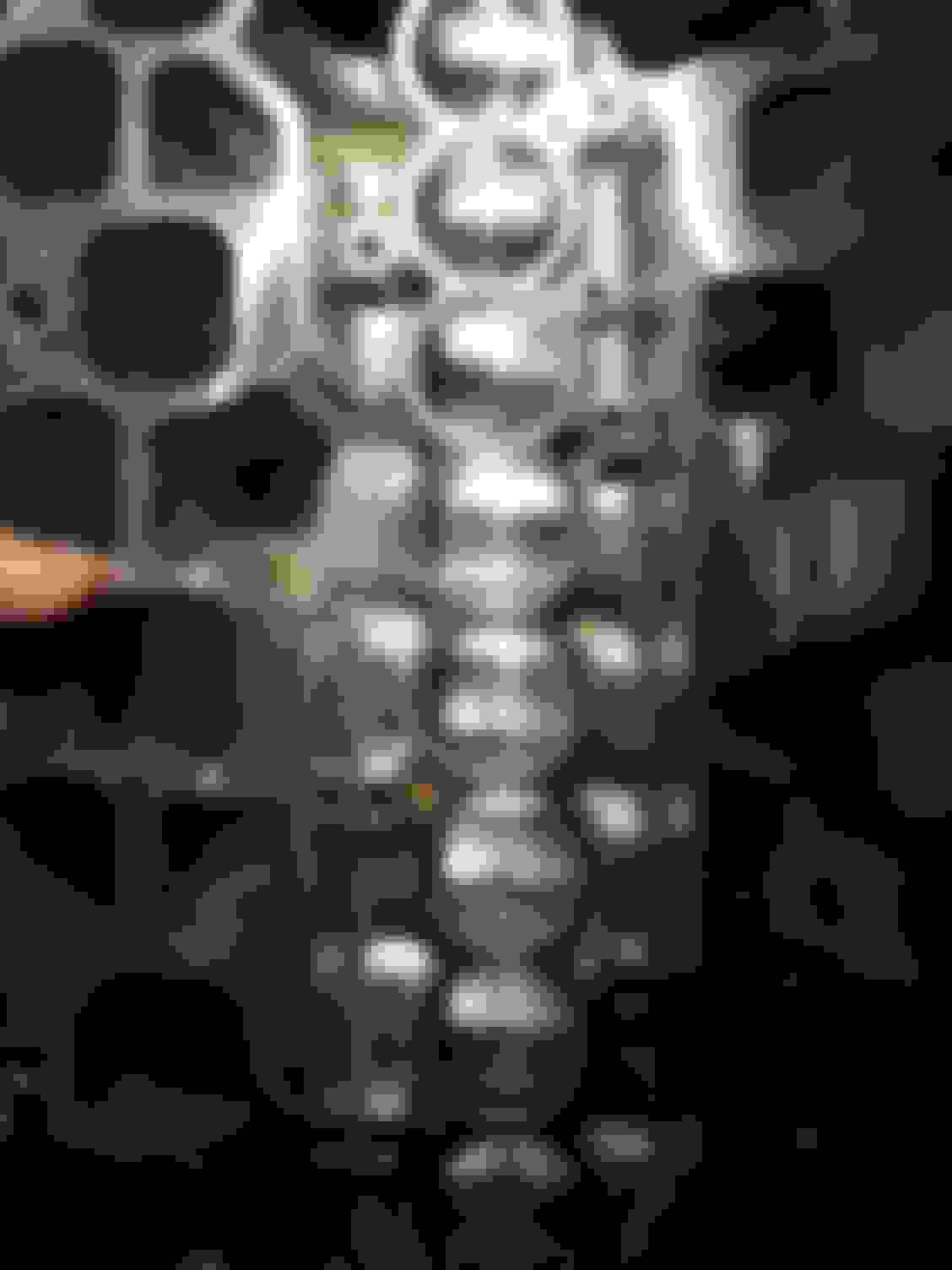
Another view of lower intake valley..The flow lines of the intake are visible on the floor. Bottom half intake runners View of upper half of intake with butterfly valve assembly removed Another image of upper half of intake Bottom of intake runner that mates with cylinder head. The injector pocket which extends into intake stream is smoothed considerably. The sides and corners will receive secondary polishing..not much else required.
Received Extrude-Honed intake manifold for 1999 LS400 from Extrude Hone.....very pleased with the results...a few images with comments. Manifold received in blow-molded foam... (top cover of molded foam packing removed) Excellent packing job by Extrude Hone. Lower valley of intake manifold...casting roughness and flashing removed. Looking from topside through intake runner on lower half of intake....smooth... just a little casting flash line remains on the side...but it was really bad before...easily removed. The goal here was to see how much the process removed without port grinding
Before and after chassis Dyno is next step.
Another view of lower intake valley..The flow lines of the intake are visible on the floor. Bottom half intake runners View of upper half of intake with butterfly valve assembly removed Another image of upper half of intake Bottom of intake runner that mates with cylinder head. The injector pocket which extends into intake stream is smoothed considerably. The sides and corners will receive secondary polishing..not much else required.
Performed two "Before" chassis dyno tests courtesy of McGrath Lexus and am posting results.
Robert Slater Company (18th St., Chicago), fabricated a 1/4" steel block off plate to cover the ACIS butterfly valve ports (necessary to remove this assembly for extrude honing) so the extrude honing material runs the entire length of the intake runners and not just short path of high RPM runners.
This tooling remains at Extrude Hone in Irwin, PA for ClubLexus member use.
I will post "After" dyno results, but in the meanwhile am posting additional images with comments.
Upper image depicts the ACIS butterfly valves closed for low RPM operation Lower image depicts airflow at high RPM .The block off blate allows the extrude hone material to travel the entire length of the runner.
Accordingly, he images posted here reflect marked improvements over previous images.
"Butterfly valve assemly removed from upper plenum of intake manifold.
Removing sharp transitions between plate bores and inlets would yield additional power...they open around 4,000 RPM so at this engine speed, smoothing away these sharp edges will yield more power. Will advise how I accomplish this.
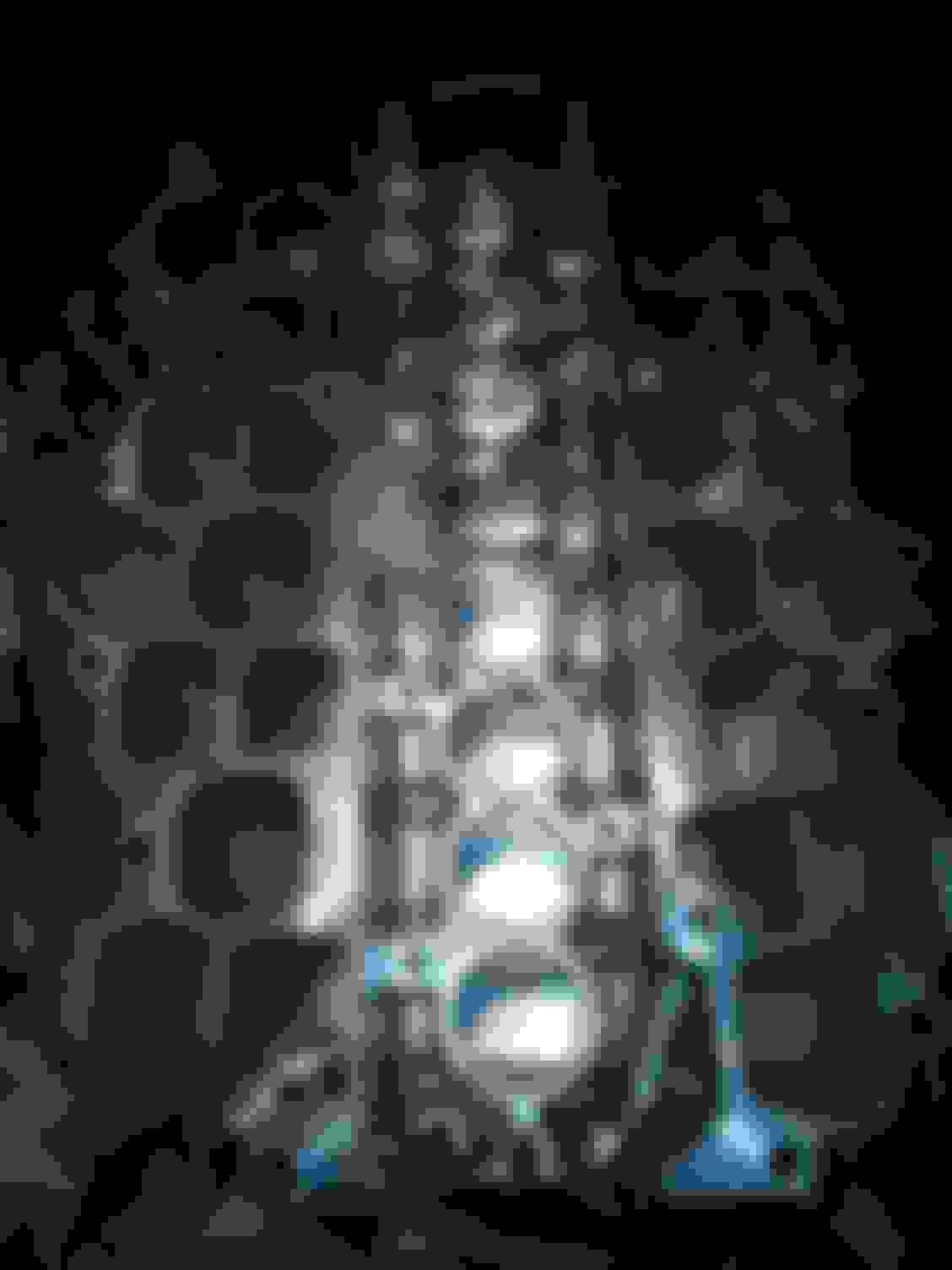
RUN #1 Run #2 Overlay of runs 1 and 2 View of intake at throttle body attachment point...all sharp internal edges are smooth and radiused(ACIS butterfly valve assembly removed for photo) Bottom half of intake manifold after extrude honing...very polished...impossible to do with conventional porting...the goal here was never to port, but simply to remove all the casting flash to increase intake charge velocity and decrease heat radiation into intake stream (smooth surface over rough casting has less surface are) Upper intake plenum with ACIS butterfly assembly removed. 99% removal of casting flash...near mirror finish Another image of upper plenum showing better view of intake runners Intake runners on lower intake plenum Bottom image of lower plenum of intake manifold runner at fuel injector port.
Image depicts fabricated 1/4" steel.plate which replaces the ACIS butterfly valve assembly in the upper intake plenum during extrude honing. Notice the two countersunk holes that provide clearance of the registration pins (for butterfly valve assembly port centerinng) and allow flush mounting over ports. You can see perfect circular burnishing of plate where extrude honing material containment occured as it traveled entire length of intake runners Upper intake manifold plenum.
Block off plate covers the 8 inline butterfly valve ports to direct extrude hone material through entire runner length...without plate extrude honing material would bypass low speed RPM runners and shortcut through these high RPM runners. Another image of lower intake plenum taken at Extrude Hone facilities in Irwin, PA.



 1998-2000 ls400 (2001-2006 ls430) intake manifold extrude hone