


2008 rx350 pcv valve ??

Thread Starter
Driver
Joined: May 2010
Posts: 122
Likes: 0
From: st augustine,fl
 2008 rx350 pcv valve ??
anybody know if the 08 rx350 have a pcv valve ? I searched online, but the info and pics I found dont match up with my engine ? I looked at the engine and cant seem to find anything close to this. It was kind of late already-so maybe I overlooked it.
looking at the engine from the passenger side
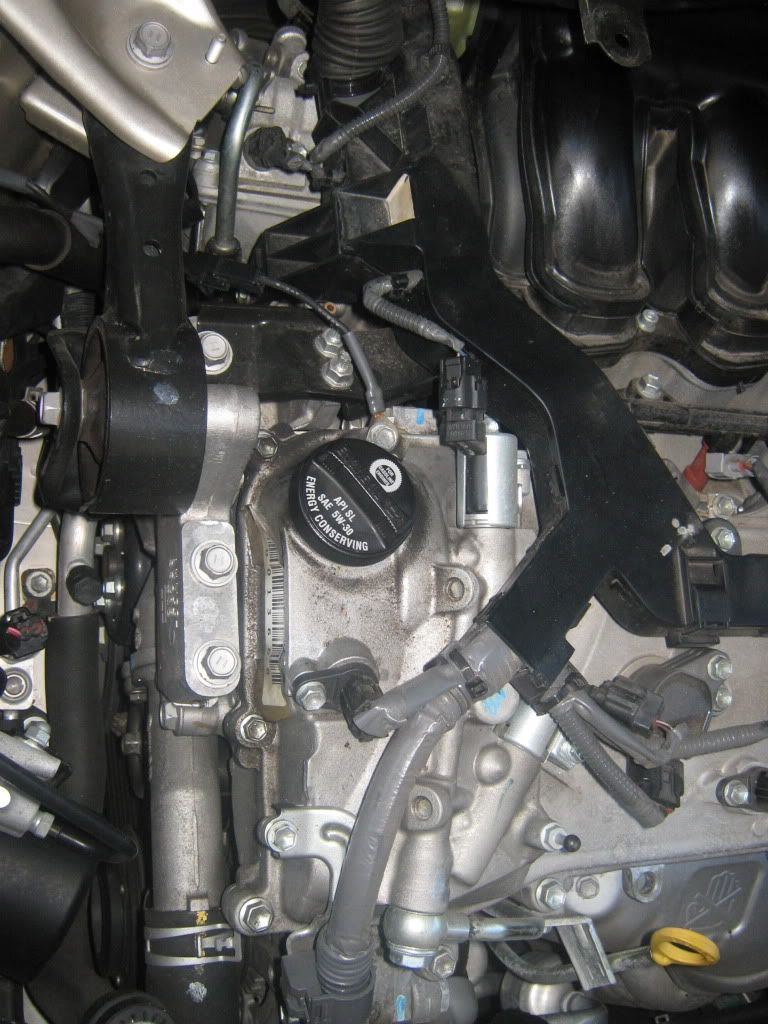
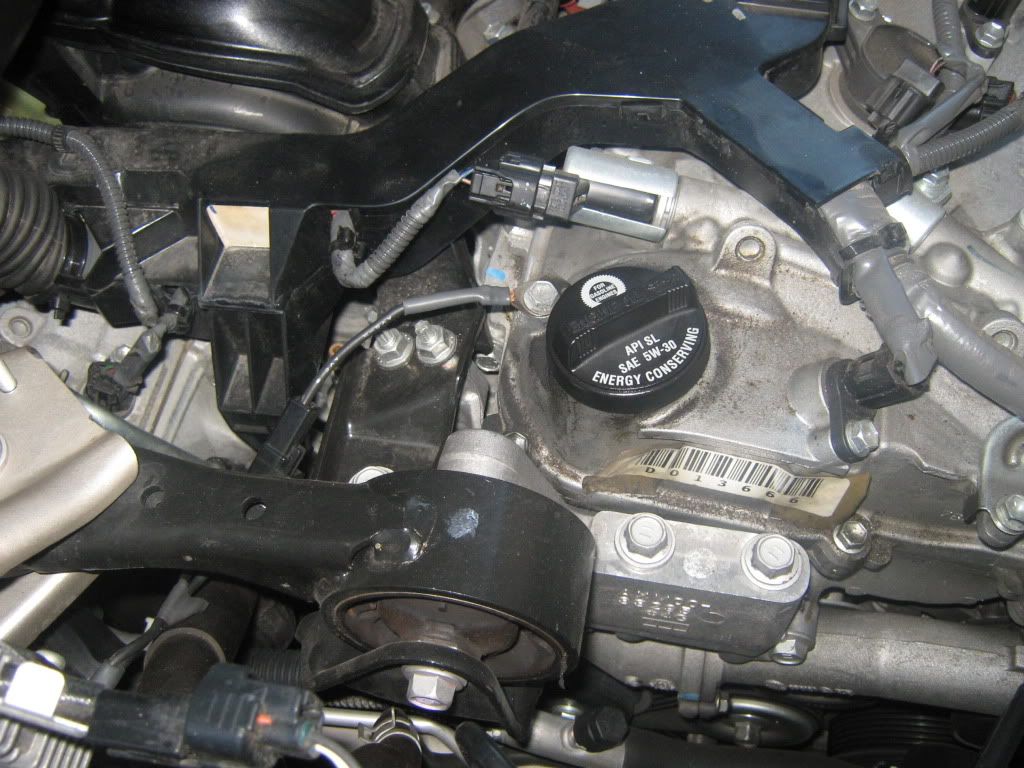
looking at the engine from the front
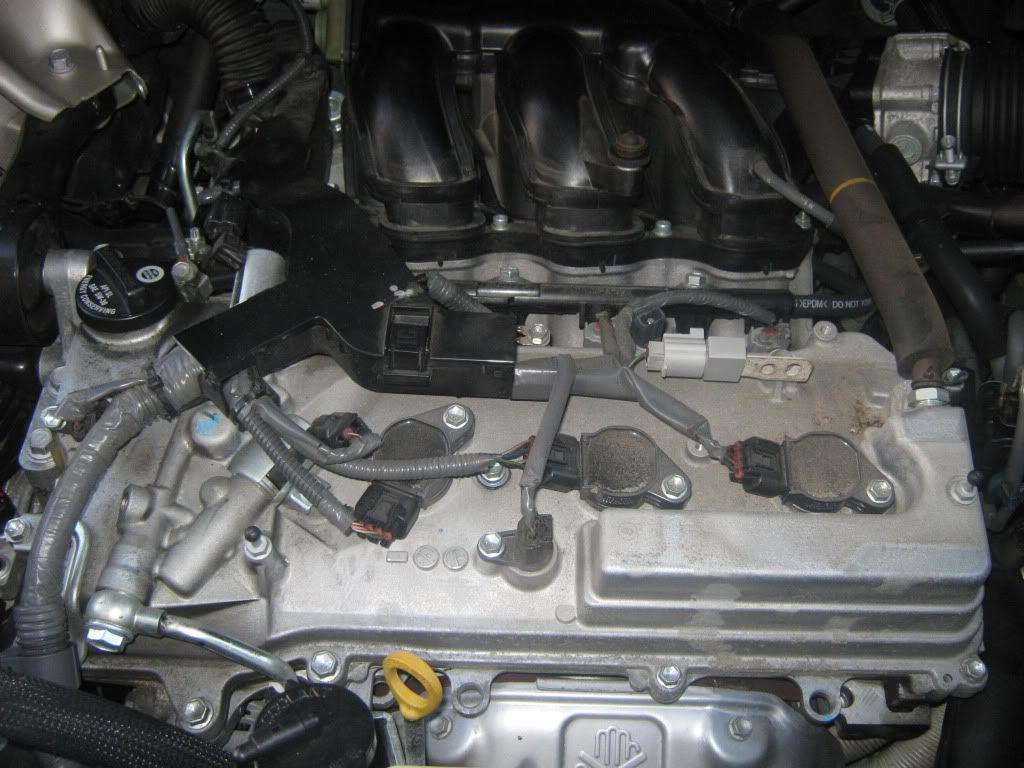
looking at the engine from the passenger side
looking at the engine from the front

Instructor
Joined: Dec 2006
Posts: 769
Likes: 55
From: ma
Thread Starter
Driver
Joined: May 2010
Posts: 122
Likes: 0
From: st augustine,fl
found it the next day. its right above the third ignition coil on your right of the picture. you can see the hose connected to it. It was late that night and I was looking at the area mention in other post for the RX 330. interesting thing, no autoparts carry it. I checked napa, advance auto parts and autozone. they all said its a dealer item. I will order it online.
thanks
thanks

Lead Lap
Joined: May 2006
Posts: 3,999
Likes: 37
From: FL
Trending Topics
ClubLexus Stories
Celebrating Lexus & Toyota from Around the Globe
Top 10 Most Confusing Things Lexus Has Ever Done!
Joe Kucinski
2026 Lexus ES Review: Lexus Re-Embraces Founding Principles
Michael S. Palmer
10 Lexus Bargains That are Cheaper Than a New Toyota RAV4
Joe Kucinski
8 Weirdest Things Lexus Has Ever Built
Verdad Gallardo
10 Lexus Designs That Have Aged Like Fine Wine
Verdad Gallardo
8 Tips for Improving Your Hybrid or Plug-in Hybrid's Efficiency!
Michael S. Palmer
10 Best Lexus Models No One Remembers
Joe Kucinski
TRD Off-Road Premium: Best 2026 4Runner, Except This One Thing
Michael S. Palmer
Top 10 Lexus & Toyotas to Drive Before You Die!
Joe Kucinski
Thread Starter
Driver
Joined: May 2010
Posts: 122
Likes: 0
From: st augustine,fl
here you go....
The PCV valve is an important part of a car's emissions control system. "PCV" stands for Positive Crankcase Ventilation. The PCV valve takes unburned "blowby" gases —- gases that have escaped the combustion chambers by slipping past the pistons into the crankcase —- and funnels them back into the intake manifold, where they ultimately rejoin the air-fuel mixture and are reburned. The PCV valve essentially recycles these escaped gases, reducing air pollution and preventing moisture buildup inside the engine.
In addition to protecting our environment, the PCV valve is also an important part of preventative care for your car's engine. Because it prevents moisture buildup inside the engine, the build up of sludge in the oil is also prevented, which causes engine oil to last longer and protects the inner workings of the engine. A PCV valve that needs replacement may cause a rough idle as a result of pressure buildup within the crankcase.
Because of its role in regulating a car's emissions, a PCV valve in need of replacement can negatively affect a car's inspection results. Many mechanics recommend that the PCV valve be replaced at around 30,000 to 50,000 miles (48,280 to 80,467 km). Specific car manufacturers may have different guidelines, so be sure to check your owner's manual and/or shop manual. A PCV valve is usually inexpensive and relatively easy to replace, and it makes a significant difference in the car's performance, so it might be advisable to replace the valve with every regularly scheduled tune up.
The PCV valve is an important part of a car's emissions control system. "PCV" stands for Positive Crankcase Ventilation. The PCV valve takes unburned "blowby" gases —- gases that have escaped the combustion chambers by slipping past the pistons into the crankcase —- and funnels them back into the intake manifold, where they ultimately rejoin the air-fuel mixture and are reburned. The PCV valve essentially recycles these escaped gases, reducing air pollution and preventing moisture buildup inside the engine.
In addition to protecting our environment, the PCV valve is also an important part of preventative care for your car's engine. Because it prevents moisture buildup inside the engine, the build up of sludge in the oil is also prevented, which causes engine oil to last longer and protects the inner workings of the engine. A PCV valve that needs replacement may cause a rough idle as a result of pressure buildup within the crankcase.
Because of its role in regulating a car's emissions, a PCV valve in need of replacement can negatively affect a car's inspection results. Many mechanics recommend that the PCV valve be replaced at around 30,000 to 50,000 miles (48,280 to 80,467 km). Specific car manufacturers may have different guidelines, so be sure to check your owner's manual and/or shop manual. A PCV valve is usually inexpensive and relatively easy to replace, and it makes a significant difference in the car's performance, so it might be advisable to replace the valve with every regularly scheduled tune up.
Thread Starter
Driver
Joined: May 2010
Posts: 122
Likes: 0
From: st augustine,fl
it never will. the valve is a mechanical valve. there is no wires on it.
I just changed mine today. bought it at the dealer for $7 dollars and it took 5 minutes to change. From what I see, the 07-09 Rx350 are easier to chage since it right up front.
I just changed mine today. bought it at the dealer for $7 dollars and it took 5 minutes to change. From what I see, the 07-09 Rx350 are easier to chage since it right up front.


Lead Lap
Joined: Jun 2009
Posts: 668
Likes: 11
From: Ontario
You can inspect it visually, yes, and even jiggle it to see if the check valve is not stuck (or blow through the valve with your mouth and make sure the valve is sealing) but you won't be able to tell if the spring holding the check ball is weaker than when new (which is likely after countless thousands of openings and closings). Easy to just replace and good preventative maintenance.

Driver School Candidate
Joined: Sep 2019
Posts: 26
Likes: 6
From: NH
I know this post is 10 years late, but wanted to put this out there for others with this question. Basically, the PCV valve can clog over time. This clog can prevent the free motion of the flow limiter, I believe referred to as a pintle, inside of the PCV valve, which will result in too much or too little flow under various conditions.
When the valve gets completely clogged, you wind up pressurizing the crankcase and pushing oil up through the valve cover breathers. Since oil is very low octane, this often results in occasional, unexplained detonation, generally when a gulp of oil is ingested. Sometimes, this occurs when turning in one direction or the other. This oil can also dirty up the intake tract, most notably the throttle body, and cause idle issues (at least after battery disconnection, since the vehicle will usually adjust to a dirty throttle body over time by leaving it more open).
Other than the aforementioned symptoms, you may also notice high vacuum, especially on decel, in datalogs. I would be suspicious of anything over about -25InHg (when mine clogged, I saw -27InHg, which reduced to -23InHg after replacement). This high vacuum can cause issues as well, such as pulling oil through valve guides, causing smoking right when you get back on the gas following deceleration.
While the valves can usually be cleaned and be made to work fine again, they're relatively inexpensive, so often just replaced.
When the valve gets completely clogged, you wind up pressurizing the crankcase and pushing oil up through the valve cover breathers. Since oil is very low octane, this often results in occasional, unexplained detonation, generally when a gulp of oil is ingested. Sometimes, this occurs when turning in one direction or the other. This oil can also dirty up the intake tract, most notably the throttle body, and cause idle issues (at least after battery disconnection, since the vehicle will usually adjust to a dirty throttle body over time by leaving it more open).
Other than the aforementioned symptoms, you may also notice high vacuum, especially on decel, in datalogs. I would be suspicious of anything over about -25InHg (when mine clogged, I saw -27InHg, which reduced to -23InHg after replacement). This high vacuum can cause issues as well, such as pulling oil through valve guides, causing smoking right when you get back on the gas following deceleration.
While the valves can usually be cleaned and be made to work fine again, they're relatively inexpensive, so often just replaced.
