When you click on links to various merchants on this site and make a purchase, this can result in this site earning a commission. Affiliate programs and affiliations include, but are not limited to, the eBay Partner Network.
I use a large channel lock pliers (20") but put the old pads back in and use old pad to push against the caliper cylinders. Open top on brake fluid reservoir. Take out old pads, spray and clean gunk and debris from calipers and cylinders. Clean and lube old shims and put onto new pads. Put the two old pads back in without shims, use giant channel pliers to push old pad into brake cylinder on one side then replace with new pad when enough space created. Then push old pad in on other side and replace with new pad. Done.
If you subtract the time it takes dismounting and remounting the wheel, and for cleaning parts and lubing shims, etc, the time to replace a set of brake pads on the LS430 is less than 5 min.
Last edited by Jabberwock; Aug 25, 2015 at 01:22 PM.
I use a large channel lock pliers (20") but put the old pads back in and use old pad to push against the caliper cylinders. Open top on brake fluid reservoir. Take out old pads, spray and clean gunk and debris from calipers and cylinders. Clean and lube old shims and put onto new pads. Put the two old pads back in without shims, use giant channel pliers to push old pad into brake cylinder on one side then replace with new pad when enough space created. Then push old pad in on other side and replace with new pad. Done.
If you subtract the time it takes dismounting and remounting the wheel, and for cleaning parts and lubing shims, etc, the time to replace a set of brake pads on the LS430 is less than 5 min.
Agreed the brakes on this car are easy. Nice that they made it this way on a originally expensive luxury vehicle!
The video shows him applying something to the two caliper attaching bolts. Not advised. Those bolts are aluminum, and the torque spec for them is dry, not lubed.
I used loctite the first time on the caliper bolts, then had to redo the job to reduce the runout. Second time I picked out the loctite and tightened them without it. Didn't seem to make a difference. Although the manual says to discard the caliper bolts and use new ones, I don't really see why. They're huge and the threads were perfectly fine after the two remove / installs. I'm sure you could keep on reusing them.
The video did not show the use of loctite (and there are different types of loctite). Lubricating the threads, any threads, on any bolt, changes the torque reading, which can lead to over-tightening then stripping the bolt threads - - Especially on aluminum bolts. While the caliper bolts are long, the threads are not coarse but rather medium to fine which raises the risk of stripped threads. This is the reason why Lexus calls for replacement of those bolts as 1-time use bolts.
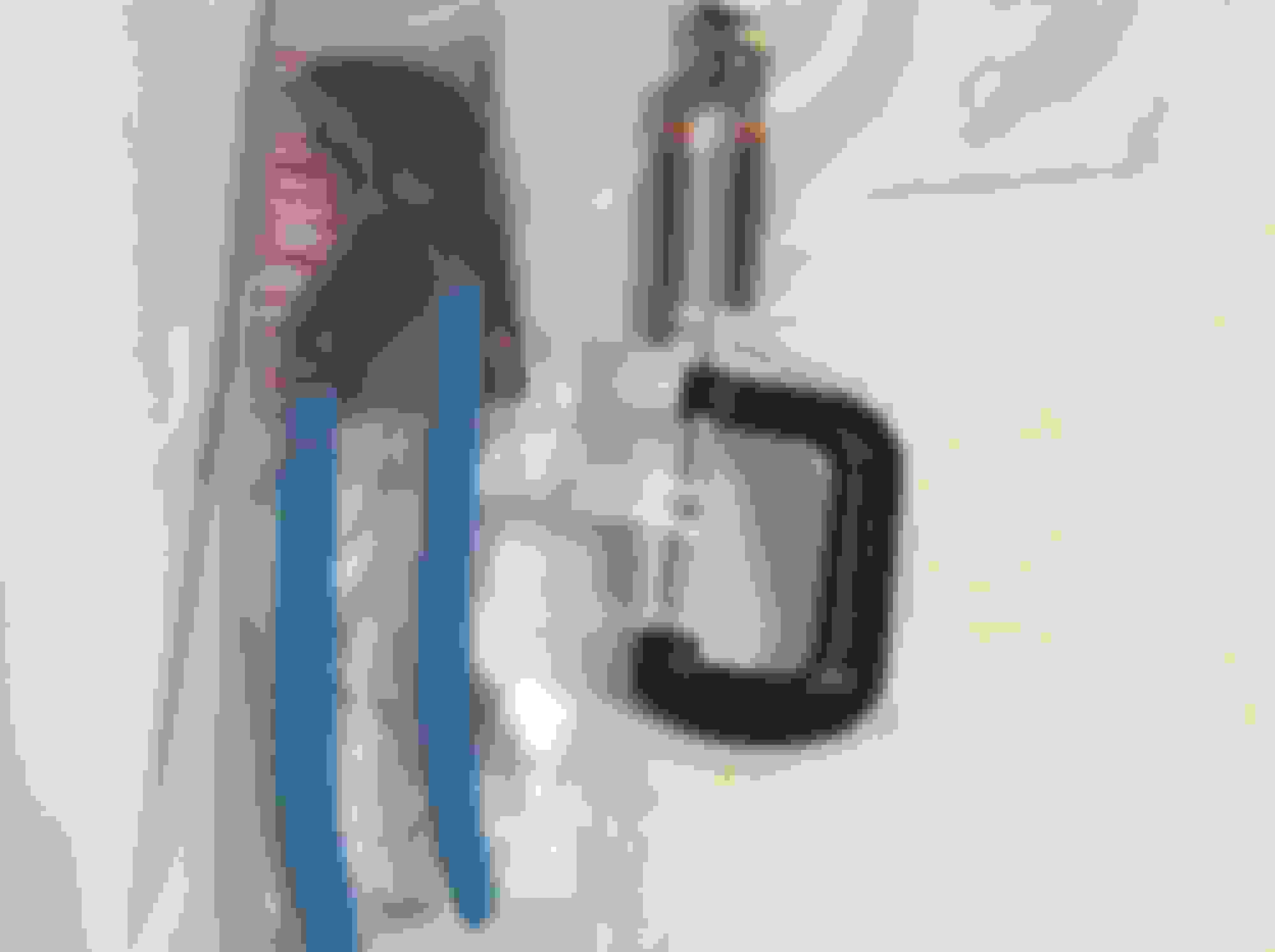
These responses are great! I just went out and got some channellocks, and couple of c-clamps for the job. I think I'll get ready to order parts very soon!
Do you guys recommend DOT4 brake fluid for LS430? I know it calls for DOT3.
Last time car was at the dealer advisor said brake fluid is dirty. I figured this would be the best time to also change the brake fluid.
These responses are great! I just went out and got some channellocks, and couple of c-clamps for the job. I think I'll get ready to order parts very soon!
Do you guys recommend DOT4 brake fluid for LS430? I know it calls for DOT3.
Last time car was at the dealer advisor said brake fluid is dirty. I figured this would be the best time to also change the brake fluid.
Anyhow, thanks so much guys!
Factory spec for brake fluid for this vehicle is DOT3.
In a car that was delivered with DOT 3 fluid, the internal components of the system (seals, brake hoses, and fittings for example) were specifically designed and tested for compatibility with the specific chemical composition of DOT 3 fluid (Glycol Ether based). Because the DOT 4 grade fluid typically contains a different chemical composition (Glycol Ether / Borate Ester based), compatibility of system components may be an issue.
It was stated earlier, but I'll reiterate that utilizing a wire brush to clean the hub of rust and corrosion is imperative. I would also recommend cleaning the wheel's backpad. Even a small speck of debris can cause problems down the road.
I was wondering for these 4 piston and 2 piston brakes, when you put in new pads, how do you compress the pistons?
The ordinary brake compressor tool with the **** wouldn't work, because there is no hole for the screw to go through.
To address the original question, just use any random tool you can fit in there and get leverage with. I typically use a wide flathead screwdriver and leverage it against the caliper. Yes, the opposite piston will come out slightly but not all the way. Just compress both sides alternately until they are flush with the calipers. I suppose if your pistons are heavily rusted, you might not get enough leverage using a screwdriver. There is also potential to dent/nick the piston contact surface, but I was careful so that wasn't a problem.
Source: I've done all 4 brake pads twice now (80000km and 125000km, a 45000km interval), and it went very quickly both times. First time I used OEM pads and shims. Second time I used Akebono ProACT Ultra Premium Ceramic Pads (part # ACT870, ACT871, ~$50 each at RockAuto). Longest and most difficult part of the brake job is lifting one corner at a time with the factory scissor jack inside garage too narrow to use the hand crank. Still on original rear rotors at 135,000kms, but will replace with Raybestos Advanced Technology rotors ($55 each at RockAuto) when I change to winter tires.
Last edited by StanVanDam; Aug 26, 2015 at 10:58 AM.