When you click on links to various merchants on this site and make a purchase, this can result in this site earning a commission. Affiliate programs and affiliations include, but are not limited to, the eBay Partner Network.
I have been chasing a knock sensor issue on my 1996 ES300 for a while now, I started with a P0330 CEL, I drove it for a while and that was the only code listed, once I had some time I took the intake off and decided to replace both knock sensors and the connector in the valley, PN: Dorman 917032 and Wells 5S2254. I was hoping not to spend a ton on the sensors and these were on sale, so I got them pretty cheap.
After the first test drive the CEL came back on but for both of the sensors (P0330, P0325). This is when I started really digging in, I decided to replaced the shielded wires that go into the wiring harness to the ECM just in case they were damaged or picking up interference, with a coaxial cable (it seems weird and wrong but was the only shielded wire I could find at Menards). I tested all connections and made sure I was shielding only at the ECM E1 pin. After this I test drove it again and the CEL returned but was very intermitted, I got a few strong pulls in where everything seemed fine, but would show P0330 around 4,000 RPM. I would clear the code, do a pull and sometimes I could get 2 or 3 WOT pulls but then the light would come back on.
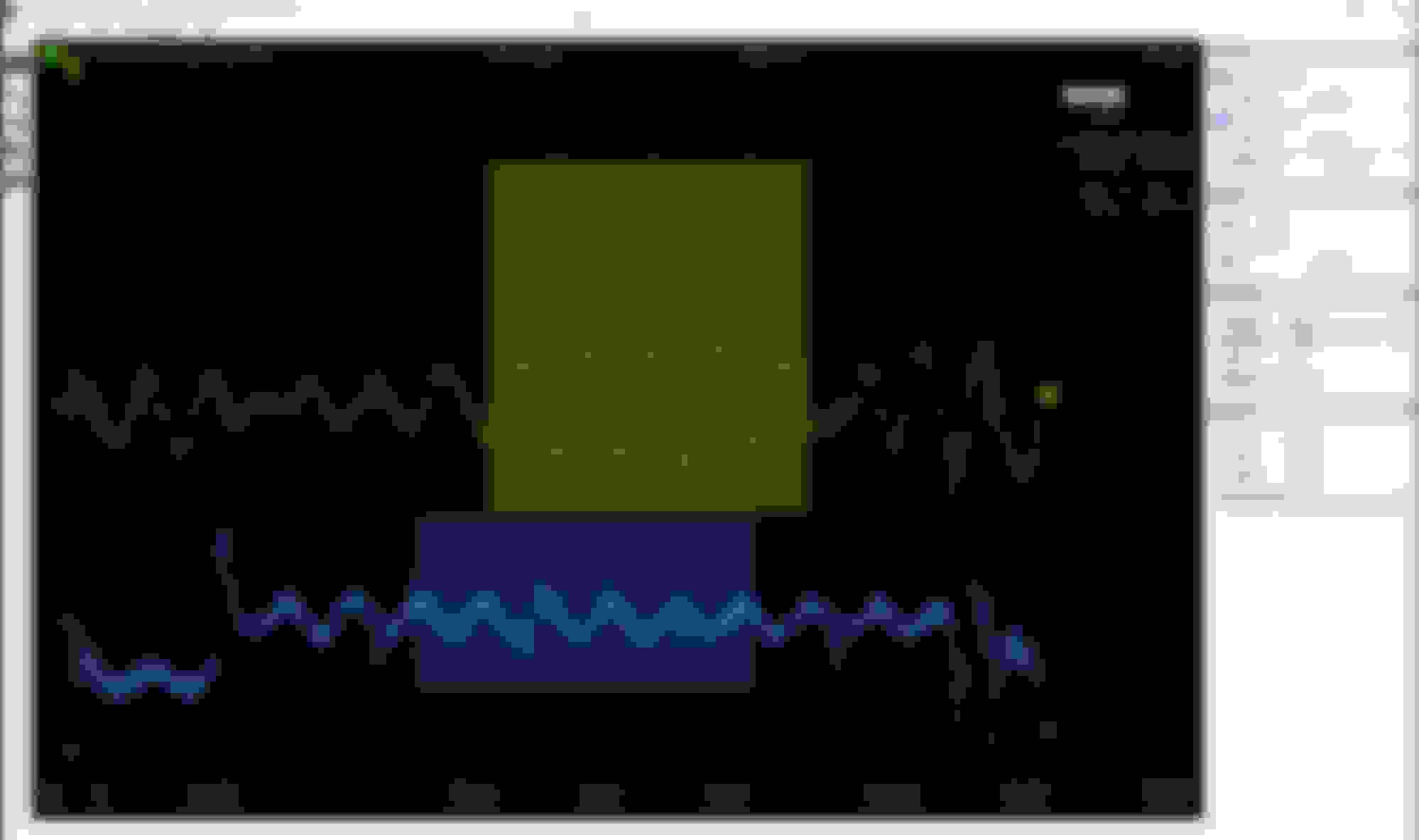
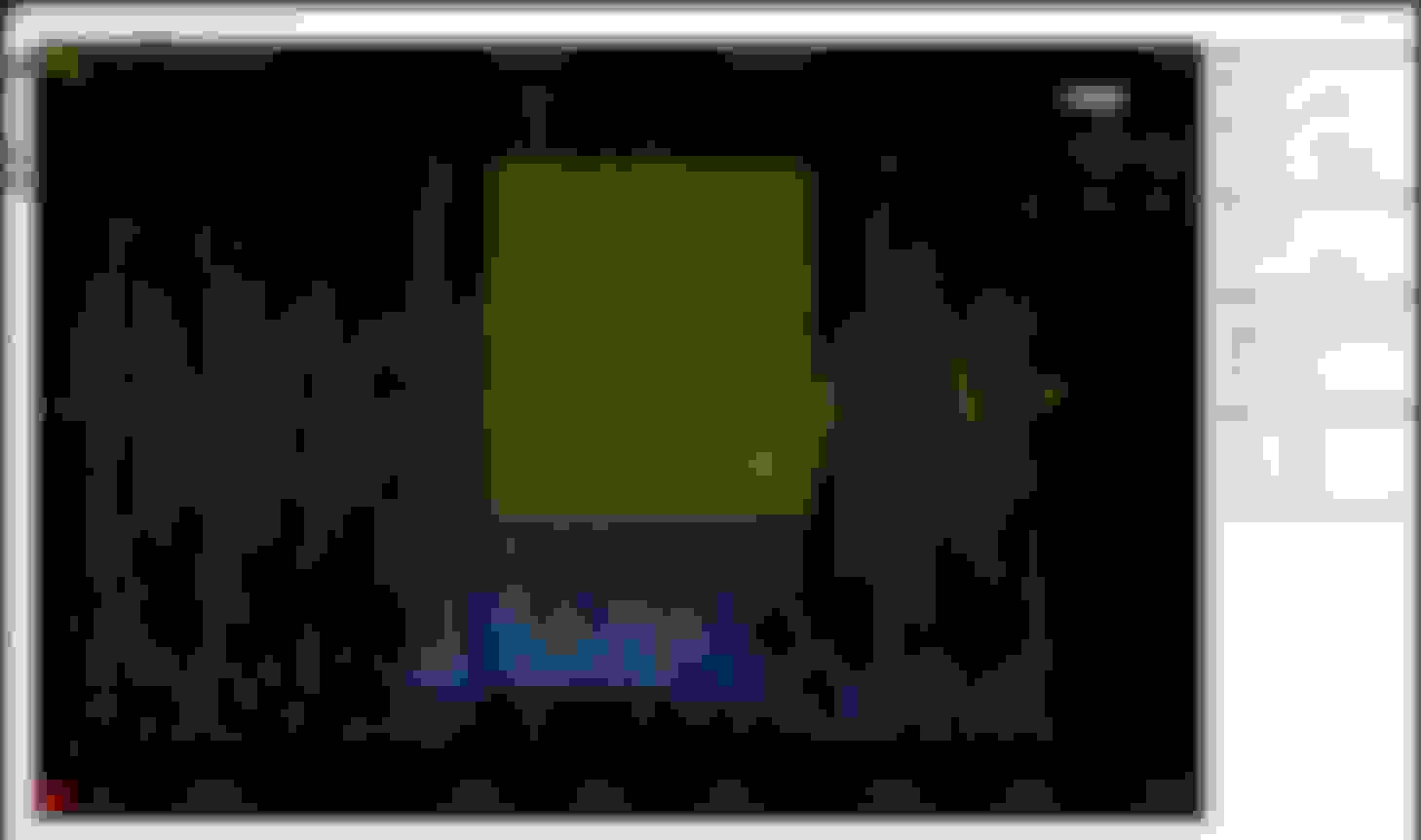
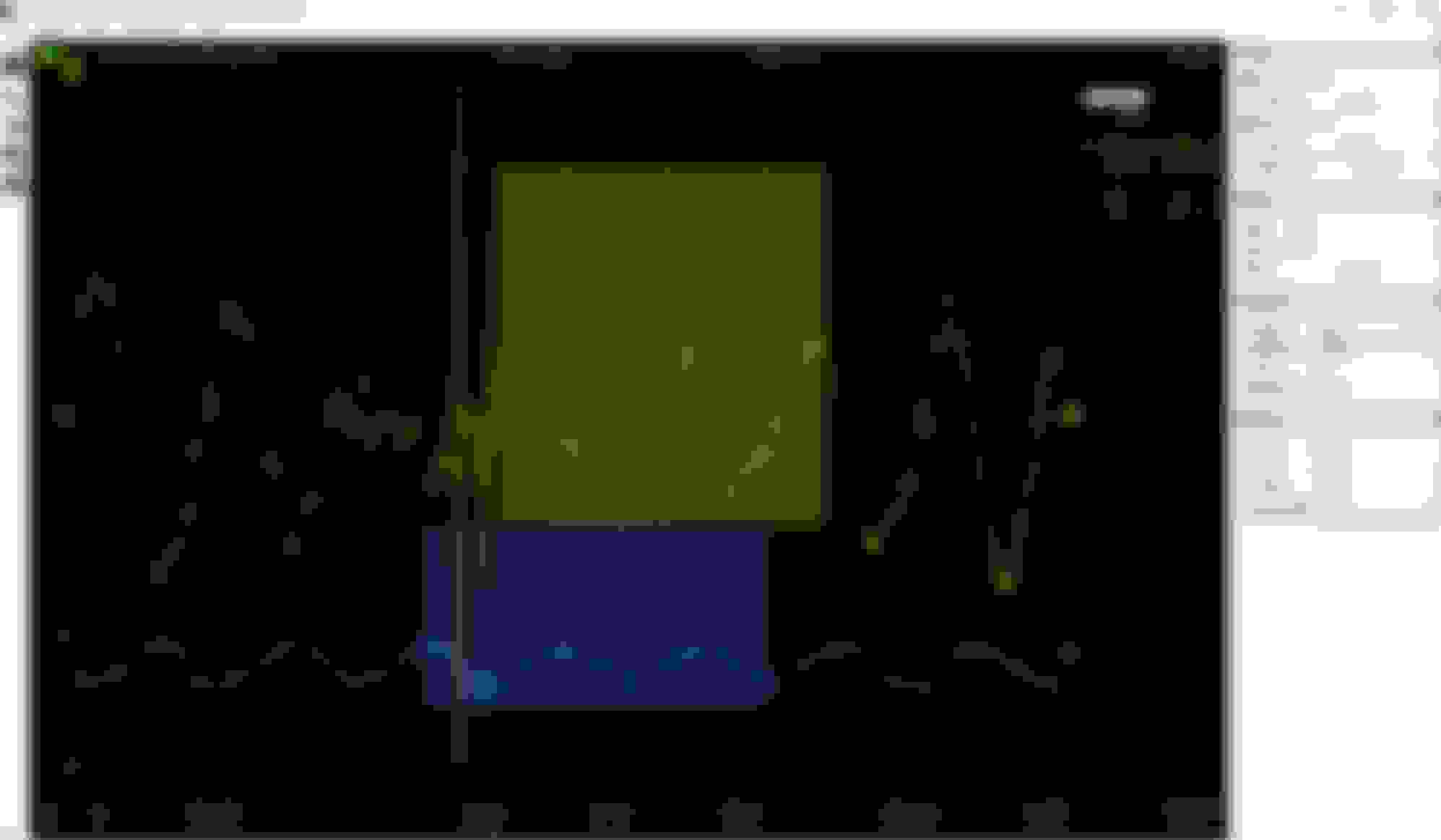
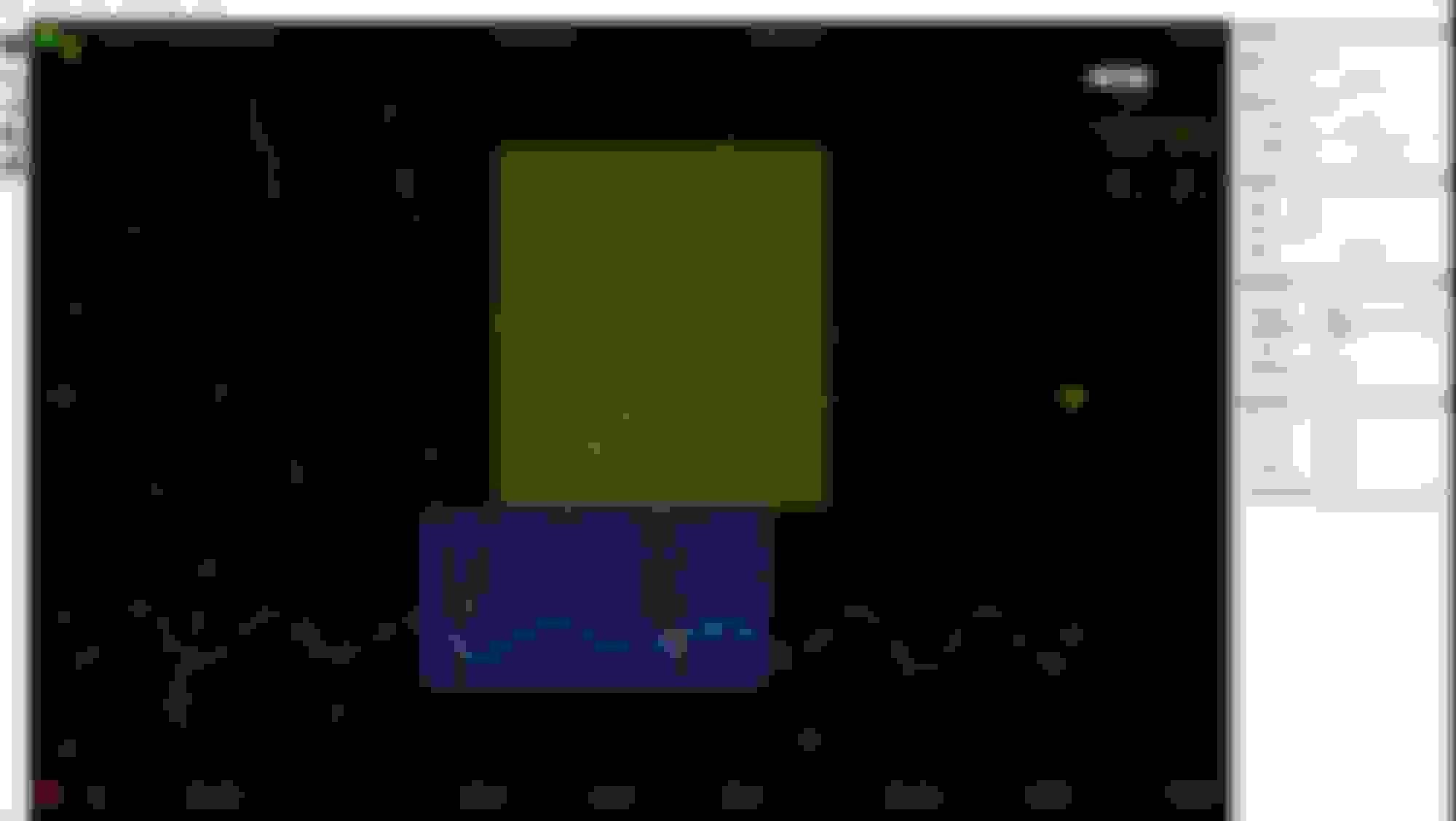
I decide to pull out my cheap oscilloscope to see what the signal wires were doing, I have them attached below, the first couple are just normal cruising and idling then WOT. I notice that bank 1 has extremely high peaks but both seem to be very noisy. I am wondering if this is just because of the new knock sensor I installed or something else weird going on. Both sensors were torqued to 29 ft lbs and I also made sure of correct routing by just tapping on the block and seeing which signal was higher.
First 3 (Idle, normal driving)
Last 3 (WOT)
I was planning on trying the knock sensor relocation method with the old sensors just to avoid having to take the intake off again. Is there a correct way to do this to eliminate any issues with the new sensors I installed?
Any help is appreciated, I think I have 30 hours into this over the past two weekends and would hate to give up at this point
Those waveforms look off to me, that's the cheap knock sensors talking. Sad to say but there is no substitute for originals here, I've even tried NTN which were supposed to be same as OEM, Got a CEL in about 10 minutes. If you buy originals here they are not super expensive, although I'm seeing some people say they are getting dinged by import fees lately. But even if say 25% that still beats the $180+ at a typical online dealer. Never buy these on Ebay unless the seller is an actual Toyota dealer. https://www.amayama.com/en/part/toyota/8961512040
Another way to save cost is buy 1 original and wire that into both ECU inputs this will last for years since you have a new OE sensor doing the job. On using coaxial cable, in theory this should be fine the goal is to allow low voltage without outside interference. But that's a guess, the impedance profile might not be correct, I doubt it but possible. Also you tried to solve noisy/cheap output via better shielding, that won't work.
Well, it's probably time to return to the beginning, seeing the cost of the Knock Sensor that you purchased, chances of it being anything worth using are rather slim, OEM Knock Sensors are expensive for a reason. As for the wiring, I have mentioned it a few times, but if there is a pure evil in this world, Dorman would be a part of it, amongst companies with any sort of brand name attached to them, this one has to be about the worst, which would explain why it failed right out of the box as it seems. That said, regardless of how bad Dorman parts are, it's really not an excuse for using a literal Coaxial Cable for the Knock Sensor Wiring, not even sure I want to know how you managed to piece it all together, but even then, it is hard to glance over how poetic it is that even this kind of fix proved to be more effective than the store-bought Dorman part..
Now that my rant is over, we can proceed with some more specifics..
What are you referring to as "WOT"?
It appears that you've been using the Autoset Function for each of the Screenshots provided, the fact that each screenshot has different Division Settings makes the data very confusing to compare head-to-head. I assume that two channels in the Screenshots are for each Knock Sensor Output, but if that is true, the fact that even in a single screenshot both Channels have completely different setting makes it even more confusing, as a result, although the data looks similar for both channels in the first few screenshots, there is a 5x difference in Voltage Scale that was set per each Division. The data in general looks to be rather messy too, there is a lot of Noise and Data Dropouts, as if the Oscilloscope Leads weren't connected properly, making it hard to distinguish what is caused by connection issues, and what is related to the actual issues that you are experiencing.
From what is possible to differentiate, the issue with the Data on the Yellow Channel is that the Knock Sensors, at least the ones used in your car, are designed to Resonate at a very specific Frequency, which is 7.1kHz for a 1MZ-FE Engine, as that is apparently the Natural Frequency of the Engine Block, but in your case said Frequency appears to be all over the place, which means that the Output Voltage, or the Amplitude of the Sensor will likely be Higher than it would be with a good quality Sensor, which, in turn, means that the ECU will be a lot more cautious when setting Ignition Advance with those Sensors installed even when it isn't necessary, decreasing the Power Output and the general Dynamics of the car.
That said, the data on the Yellow Channel looks downright perfect compared to what was captured by the Blue Channel, unless the Connection there failed completely, the Sensor it was attached to is pretty much out cold in all of them, it only shows some gibberish that looks more like an interference from the other Sensor, none of the data provided by it makes any sense. Seeing that the ECU expects a certain Base Voltage from the Sensors (different Voltage for each RPM band) to verify that they are functioning, it is possible to assume that this is the reason for the Fault Code that you keep getting. The question now then is which Sensor was connected to which Channel..
As for what is going on in the Last screenshot attached, it makes just as much sense to me as to the next guy, it is completely outside of anything even remotely reasonable, so my best guess is that there was, again, a flaw in the Setup, could be that you lost reference to Ground or something similar. That said, more information on the specific driving conditions at that exact time would be needed for this one, it would at least help to know what WOT stands for..
To summarize, so far everything leads to the fact that the Cheap Sensors and Wiring you have installed currently are not really cutting it. As mentioned by LeX2K, there really isn't a substitute for the OEM Sensors, at least none that either of us would know of, and that Dorman Harness is really not doing you any favors either. It is unfortunate to lose all the work that was already done, but you do get what you pay for, so there's that..
I replaced both knock sensors in my 2000 ES last July. Same code came back in December and lasted about six weeks until it went off. It came on again last week for two days and then back off. The first thing I thought of was I'm once again a victim of cheap Chinese crap. From now on it's OEM.
After all that chasing and probably spending way too much time with tests that were not necessary, I decided to just do the “known hack” of hard mounting the old sensors to the side of the engine block. I just used 1/2” steel welded them together, drilled and tapped them so I could screw the old sensors in. This fixed the issue, so all this could have been avoided by just changing the harnes🤦♂️. Obviously this is not the ideal solution and I plan on putting the sensors back correctly.



 Chasing Knock Sensor Issue