



5K+ Minimum over list for new vehicles.

Driver School Candidate
Joined: Jul 2014
Posts: 12
Likes: 0
From: Id

If you are flexible, you can make it work. I also sold and got a descent deal on Mazda's (sold CX5 and bought a 3). I got about $4k over what I would have pre-covid for the CX, but had to travel a bit for the new one (I was, anyway). Recieved about 5% off (with rebate and credit for the GPS chip I didn't want). Worked out well.
I feel very lucky I have 2 years before I have to make any vehicle purchases.
If you shop around though there absolutely are dealers that are not charging over list. When I was helping my friend replace her CX-5 we found some Toyota dealers were chargine $5-7.5K over sticker on Venzas and some were charging MSRP. We actually wound up getting her replacement CX-5 a little under list, so it worked out.
I would imagine there are GM dealers in the area that aren't charging over MSRP
If you shop around though there absolutely are dealers that are not charging over list. When I was helping my friend replace her CX-5 we found some Toyota dealers were chargine $5-7.5K over sticker on Venzas and some were charging MSRP. We actually wound up getting her replacement CX-5 a little under list, so it worked out.
I would imagine there are GM dealers in the area that aren't charging over MSRP

Lexus Fanatic


Joined: May 2012
Posts: 68,834
Likes: 4,107
From: Maryland
А lot of other stuff needs to come down too - metals, electronics, shipping, etc. I don't see it happening anytime soon, unless there is a huge economic crash and we enter a depression. We'll see what happens, but I strongly believe manufacturers will simply increase MSRPs very substantially.
For example, I've been shopping to finish my basement, estimates now are 40% less than I was getting just 2 months ago.
Lexus Fanatic
Joined: May 2012
Posts: 68,834
Likes: 4,107
From: Maryland
If you are flexible, you can make it work. I also sold and got a descent deal on Mazda's (sold CX5 and bought a 3). I got about $4k over what I would have pre-covid for the CX, but had to travel a bit for the new one (I was, anyway). Recieved about 5% off (with rebate and credit for the GPS chip I didn't want). Worked out well.
The costs to manufacture cars are not dramatically up, and yes material costs are normalizing already. There is too much competition for manufacturers to raise MSRPs, things will go back to how they were 6 months ago. This is an artificial supply interruption, not a long term trend.
For example, I've been shopping to finish my basement, estimates now are 40% less than I was getting just 2 months ago.
For example, I've been shopping to finish my basement, estimates now are 40% less than I was getting just 2 months ago.
This is not the case with everything else. The electronics shortages are only getting worse, and metal supply is also getting worse. Some of it is due to global shipping disruptions, some of it is due to US ports not working full force and not unloading cargo ships, but a lot of it is due to US mills only working one shift instead of double/triple shifts due to covid nonsense and labor shortages. These mills are making higher profits now, and they are not in any rush to go back working three shifts and making razor thin profits.
With that being said, perhaps we'll have a lot of manufacturing come back to the US. While it seems lucrative for corporations to use cheap labor overseas to do their manufacturing, their whole business model falls apart when supply disrupts. For instance there are a ton of brand new cars rotting away at manufacturer lots because they don't have enough computer chips. I'll gladly pay higher prices if it results in more US jobs and stronger US economy. We'll all benefit from this.

Lead Lap


Joined: Jul 2010
Posts: 3,935
Likes: 306
From: NY
If I'm the manufacturer, I would slowly and I mean very very very slowly ramp up production with no incentives given to see what the limit is. As of right now, everyone is making money hand over fist even with the shortages.

Racer

Joined: Aug 2006
Posts: 1,727
Likes: 8
From: USA
Yup, average prices are still increasing. I thought we were maybe at the peak, but they continue to inch up. Up ~25% YOY for the industry. https://www.cargurus.com/Cars/price-trends/
Lexus Fanatic
Joined: May 2012
Posts: 68,834
Likes: 4,107
From: Maryland
In the car business, thats really not the case. Talk to some car salespeople and dealership managers, their revenues are down because of dramatically lower volume.
ClubLexus Stories
Celebrating Lexus & Toyota from Around the Globe

10 Lexus Bargains That are Cheaper Than a New Toyota RAV4
Joe Kucinski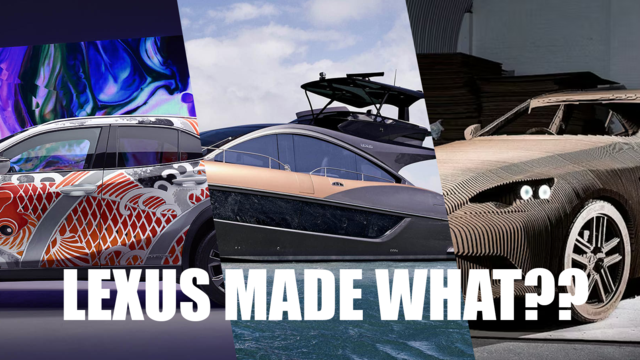
8 Weirdest Things Lexus Has Ever Built
Verdad Gallardo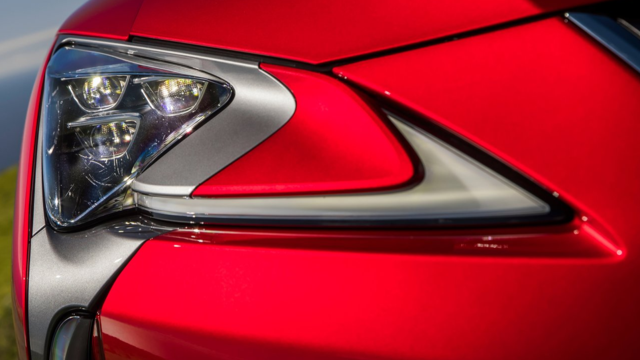
10 Lexus Designs That Have Aged Like Fine Wine
Verdad Gallardo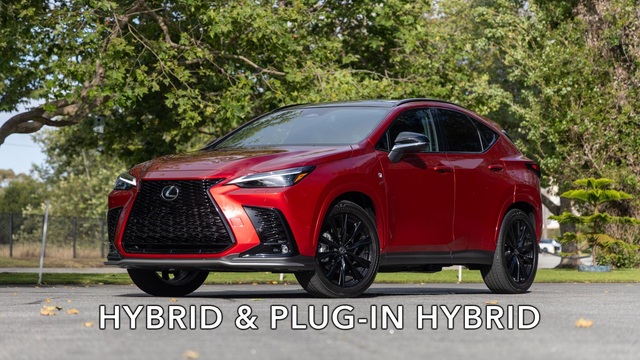
8 Tips for Improving Your Hybrid or Plug-in Hybrid's Efficiency!
Michael S. Palmer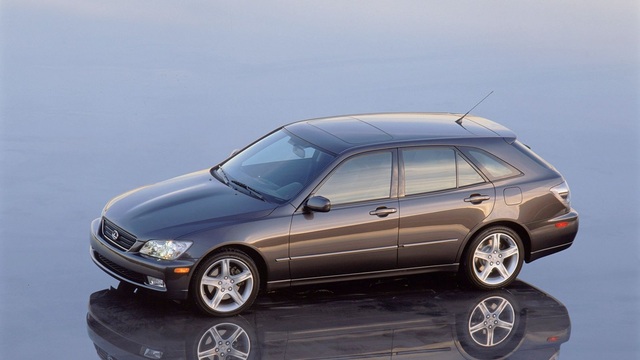
10 Best Lexus Models No One Remembers
Joe Kucinski
TRD Off-Road Premium: Best 2026 4Runner, Except This One Thing
Michael S. Palmer
Top 10 Lexus & Toyotas to Drive Before You Die!
Joe Kucinski
Top 10 Lexus/Toyotas With The LEAST 5-Year Depreciation
Joe Kucinski
Lexus LC500 Convertible Auction: A Preview of Rising Values?
Brett Foote
Lead Lap
Joined: Jul 2010
Posts: 3,935
Likes: 306
From: NY
And I dont feel sorry for them. They could have made money with my car, but they decide to be shortsighted and lowball me. So there will be no tears shed for them.

Lead Lap


Joined: Apr 2002
Posts: 4,892
Likes: 14
From: Virginia
AutoNation, the largest, is up huge, both margin and revenue. The year over year is obviously inflated over the pandemic issues of 2020, but they're achieving some of their most profitable quarters ever. Costs are down as they likely cull sales people and push more people through some form of online/digital purchasing, etc.
AutoNation Inc. generated record revenue in the second quarter on higher vehicle margins, as new- and used-vehicle sales sharply increased from the pandemic-scarred period a year earlier.
The auto retail giant said Monday that its net income soared 38 percent to $384.8 million. Revenue surged 54 percent to $7 billion. The quarter a year earlier included a $161 million after-tax, noncash gain related to AutoNation's investment in online used-vehicle retailer Vroom Inc.
The auto retail giant said Monday that its net income soared 38 percent to $384.8 million. Revenue surged 54 percent to $7 billion. The quarter a year earlier included a $161 million after-tax, noncash gain related to AutoNation's investment in online used-vehicle retailer Vroom Inc.
Lead Lap
Joined: Apr 2002
Posts: 4,892
Likes: 14
From: Virginia
You would hope that this is the case. However, every manufacturer is racing to ramp up as much as they can as quickly as they can in order to "steal" marketshare. Would absolutely love to see more measured production levels to see Americans finally get weaned off the excessive levels of incentives that they've been now accustomed to for so many years. Increase custom orders/configurations that customers can then wait a few months to receive, etc. Again, I'd love for the industry to move this way, I just don't know if they all have the ability to steadily do it.

Driver School Candidate
Joined: Mar 2021
Posts: 48
Likes: 20
From: Ohio
You would hope that this is the case. However, every manufacturer is racing to ramp up as much as they can as quickly as they can in order to "steal" marketshare. Would absolutely love to see more measured production levels to see Americans finally get weaned off the excessive levels of incentives that they've been now accustomed to for so many years. Increase custom orders/configurations that customers can then wait a few months to receive, etc. Again, I'd love for the industry to move this way, I just don't know if they all have the ability to steadily do it.
The manufacturer books the "sale" to the dealer the moment the vehicle is produced off the assembly line. Most of their labor costs and facility costs are fixed regardless of volume produced and with a guaranteed sale to the dealer the advantage is in building the product. Ramping up or cutting down on labor costs are not so simple as to just send them home. Labor contracts for the most part guarantee pay and the cost of finding and training new personnel is expensive when they are lost due to spotty work availability.
Despite the "pie-in-the-sky" proclamations of new management, building cars and making them available on the dealer facilities has been the rule of the business for a hundred years. This is unlikely to change when the market returns to the real world of supply and demand. This whole theory is a repeat of the manufacturer's wishes right after WW2 when just finding a car was difficult. It didn't last long then either!
Lexus Fanatic
Joined: May 2012
Posts: 68,834
Likes: 4,107
From: Maryland
I don't think many sales people and managers are going to willingly share that they're largely benefitting from this situation, that wouldn't make them look good to the avg consumer who is still somewhat price sensitive. And yes, for some dealers here and there, revenue is likely down somewhat due to the lower volumes. But overall the industry is doing extremely well right now.

Thread Starter
Lexus Fanatic


Joined: Oct 2003
Posts: 94,521
Likes: 261
From: Virginia/D.C. suburbs
According to most of the sources I've seen, most of this computer-chip crisis in the auto industry started when the manufacturers, facing a downturn in sales, strongly dialed back their orders for computer-chips.....which, in most cases, were supplied by contractors. Then, when the original pandemic eased several months ago (before the Delta-strain got widespread), demand for chips began rising for production of other hardware (laptops, cell-phones, TVs, etc...) as demand for those household products strongly increased when people started shopping again. The suppliers simply couldn't produce enough chips for those industries AND the auto industry at the same time, as both industries tried to lay catch-up, so the other industries got priority for the chip-production, since they already had new orders in and the auto industry didn't.
Even over and above all of this, though, my own personal view is that if the industry hadn't made today's vehicles so complex electronically (and/or not jumped on the electric-vehicle bandwagon), we wouldn't be having most of these problems, and the need/demand for so many chips. I won't complain about all the electronic features, though, because I actually like some of them.
Even over and above all of this, though, my own personal view is that if the industry hadn't made today's vehicles so complex electronically (and/or not jumped on the electric-vehicle bandwagon), we wouldn't be having most of these problems, and the need/demand for so many chips. I won't complain about all the electronic features, though, because I actually like some of them.

Lexus Champion
Joined: Apr 2007
Posts: 11,070
Likes: 107
From: Southeastern PA
Even over and above all of this, though, my own personal view is that if the industry hadn't made today's vehicles so complex electronically (and/or not jumped on the electric-vehicle bandwagon), we wouldn't be having most of these problems, and the need/demand for so many chips. I won't complain about all the electronic features, though, because I actually like some of them.