


Lexus electrification news


Well at the Toyota auto show, a glimpse is here as to what Toyota’s working on. Not coming until 2030 though 

Oct 22, 2019 at 11:36pm

By: Adrian Padeanu
It might not necessarily seem like a big car at a first glance, but the LF-30 is actually quite large – stretching at 5090 millimeters (200.4 inches) long, 1995 mm (78.5 in) wide, and 1600 mm (63 in) tall, with a generous wheelbase of 3,200 mm (126 in). It weighs a hefty 2,400 kilograms (5,291 pounds), but that’s understandable considering it packs a total of four electric motors – one for each wheel. This setup enables the vehicle to run in front-, rear-, or all-wheel drive, depending on the driving condition.
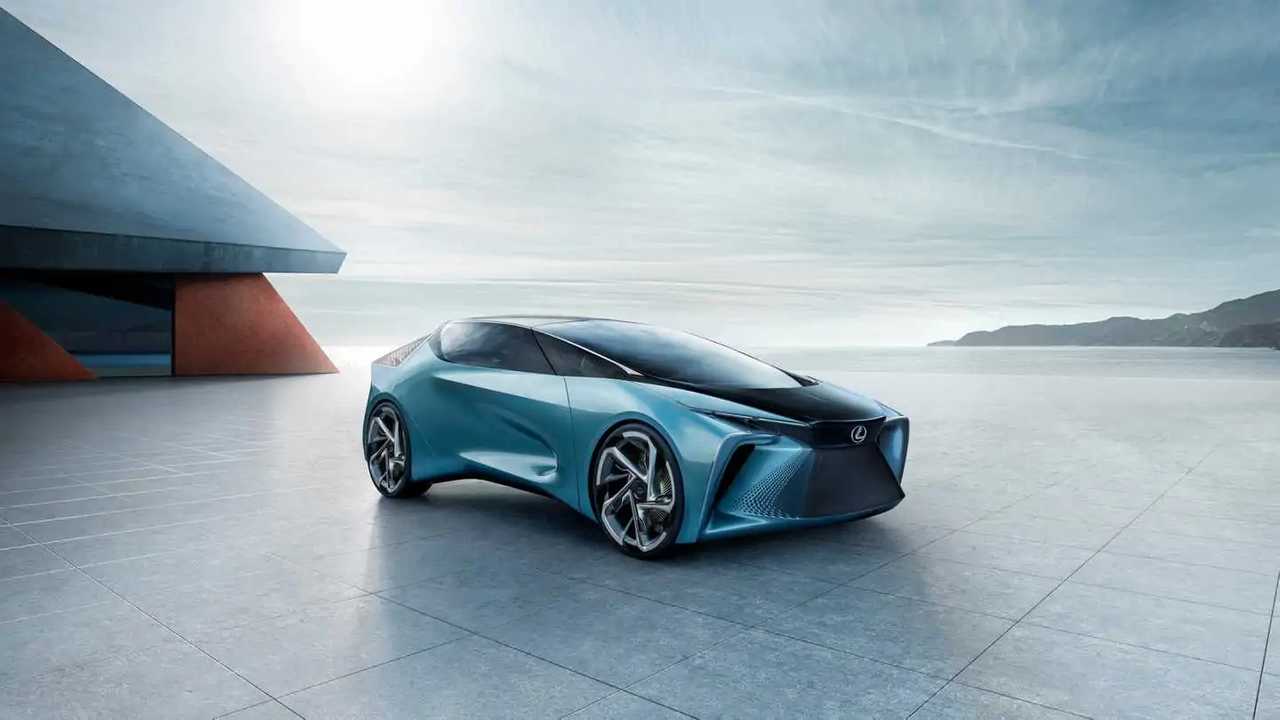 2019 Lexus LF-30 concept
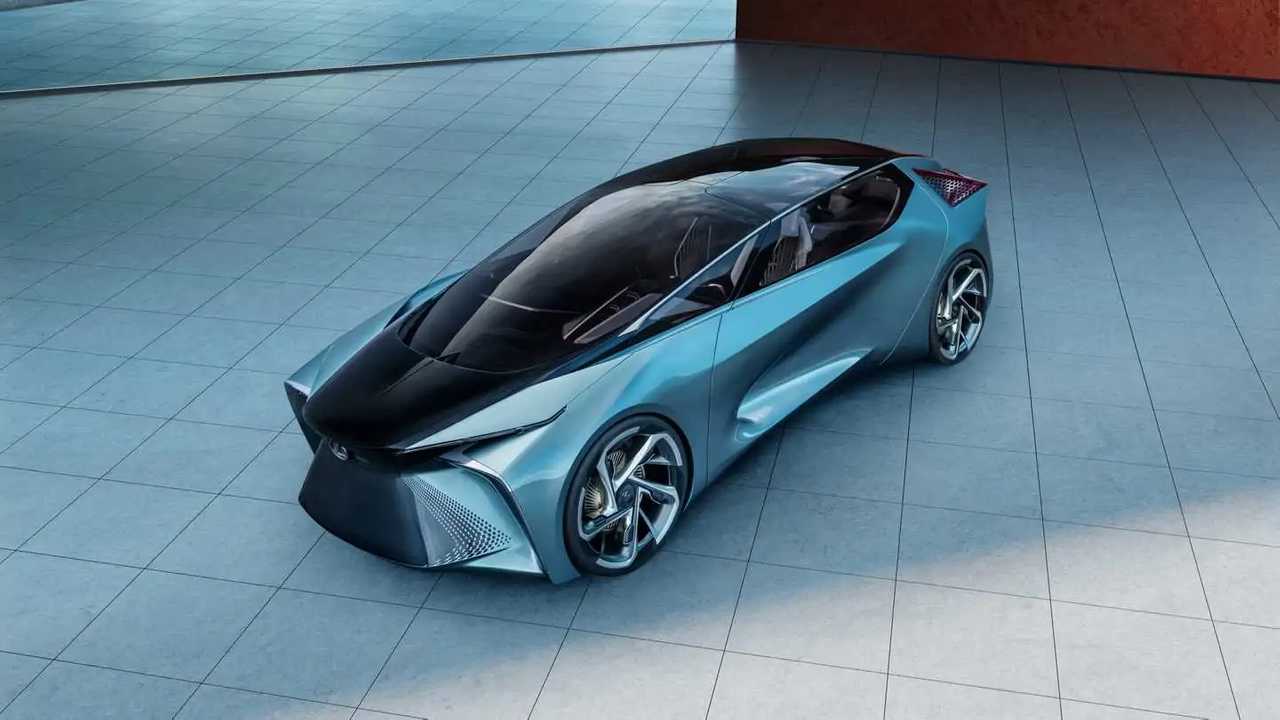 2019 Lexus LF-30 concept
 2019 Lexus LF-30 concept
With a combined 536 horsepower (400 kilowatts) and 700 Newton-meters (516 pound-feet) of torque on tap, the latest concept from Lexus runs to 62 mph (100 km/h) in a mere 3.8 seconds and tops out at 124 mph (200 km/h). Those four electric motors feed on a large 110-kWh battery pack mounted in the floor to improve the center of gravity and consequently handling.
Lexus LF-30 Unveiled With 536 HP And Massive Gullwing Doors
By: Adrian Padeanu
The spectacular concept has four in-wheel electric motors.
The 2019 Tokyo Motor Show is in full swing and that means automakers are bombarding our e-mail accounts with lots of shiny new concepts. Lexus is attending the 46th edition of the event with the LF-30, an exciting EV signaling the wave of the future as far as the company’s electric ambitions are concerned. Our favorite debut of the show so far, the four-seater features gargantuan gullwing doors and a massive glass roof extending from front to rear.It might not necessarily seem like a big car at a first glance, but the LF-30 is actually quite large – stretching at 5090 millimeters (200.4 inches) long, 1995 mm (78.5 in) wide, and 1600 mm (63 in) tall, with a generous wheelbase of 3,200 mm (126 in). It weighs a hefty 2,400 kilograms (5,291 pounds), but that’s understandable considering it packs a total of four electric motors – one for each wheel. This setup enables the vehicle to run in front-, rear-, or all-wheel drive, depending on the driving condition.
Gallery: 2019 Lexus LF-30 concept
2019 Lexus LF-30 concept2019 Lexus LF-30 concept2019 Lexus LF-30 conceptWith a combined 536 horsepower (400 kilowatts) and 700 Newton-meters (516 pound-feet) of torque on tap, the latest concept from Lexus runs to 62 mph (100 km/h) in a mere 3.8 seconds and tops out at 124 mph (200 km/h). Those four electric motors feed on a large 110-kWh battery pack mounted in the floor to improve the center of gravity and consequently handling.
Envisioned for the year 2030, Lexus says the LF-30 concept can cover up to 311 miles (500 kilometers) between charges based on the WLTP cycle. Once the battery is depleted, it can be charged at 150 kW without the hassle of having to use a cable as the vehicle has been developed with support for wireless charging.
https://www.motor1.com/news/377922/lexus-lf-30-concept-revealed/amp/

So looking at the LF-30 specs, is there ANY innovation? Besides some sort of wireless charging? I’m wondering if the car comes with a ‘mat’ you’d put in your garage or something. 
besides that, it has worse range, is slower, and to my eyes is not exactly a looker like the minimalist and elegant tesla s.
AND IT’S 10 YEARS AWAY.
besides that, it has worse range, is slower, and to my eyes is not exactly a looker like the minimalist and elegant tesla s.
AND IT’S 10 YEARS AWAY.

Lexus Test Driver
Joined: Jan 2007
Posts: 7,460
Likes: 232
From: CA
Originally Posted by bitkahuna
So looking at the LF-30 specs, is there ANY innovation? Besides some sort of wireless charging? I’m wondering if the car comes with a ‘mat’ you’d put in your garage or something.
besides that, it has worse range, is slower, and to my eyes is not exactly a looker like the minimalist and elegant tesla s.
AND IT’S 10 YEARS AWAY.
besides that, it has worse range, is slower, and to my eyes is not exactly a looker like the minimalist and elegant tesla s.
AND IT’S 10 YEARS AWAY.


Racer


Joined: Oct 2002
Posts: 1,488
Likes: 52
From: FL
Here's the full press release posted on lexusenthuiast.com
https://lexusenthusiast.com/2019/10/...ified-concept/
this paragraph tells more of Toyota's plans besides the LF-30,
Lexus plans to unveil its first BEV in November 2019―broadening our response to the needs of various regions around the world, including the development of HEVs, PHEVs, BEVs, and FCEVs. Moving forward after that, Lexus plans to expand its electrified vehicle lineup―we will launch our first Lexus PHEV and a new dedicated BEV platform early in the coming decade. By 2025, Lexus will have available electrified versions of all Lexus vehicle models, and we are aiming for the sales of electrified vehicle models to outpace those of conventional internal combustion engine vehicle models.
https://lexusenthusiast.com/2019/10/...ified-concept/
this paragraph tells more of Toyota's plans besides the LF-30,
Lexus plans to unveil its first BEV in November 2019―broadening our response to the needs of various regions around the world, including the development of HEVs, PHEVs, BEVs, and FCEVs. Moving forward after that, Lexus plans to expand its electrified vehicle lineup―we will launch our first Lexus PHEV and a new dedicated BEV platform early in the coming decade. By 2025, Lexus will have available electrified versions of all Lexus vehicle models, and we are aiming for the sales of electrified vehicle models to outpace those of conventional internal combustion engine vehicle models.


That LF-30 (concept) is so blocky, I wonder how's the aerodynamic on that thing?
I just read this thread yesterday regarding LC's trunk space
https://www.clublexus.com/forums/lc-...gage-test.html

https://www.clublexus.com/forums/lc-...gage-test.html


Driver
Joined: Feb 2016
Posts: 108
Likes: 4
From: Vienna, Austria (j/k, Rio, Brazil)
I think the problem with people in this forum is that they think they are already in 2020 and the next decade is 2030. Well, newsflash! We're still in 2019, the next decade begins on January 1st 2020. This concept represents what Lexus will be making from 2020 to 2030 and Toyota has already announced that they will be releasing their solid state battery EVs in 2020.
 Lexus LF-30 Electrified Concept
The other thread this vehicle was mentioned in is about why Lexus is slow to adopt EV technology. This thread is about the vehicle itself (LF-30), not EV politics.
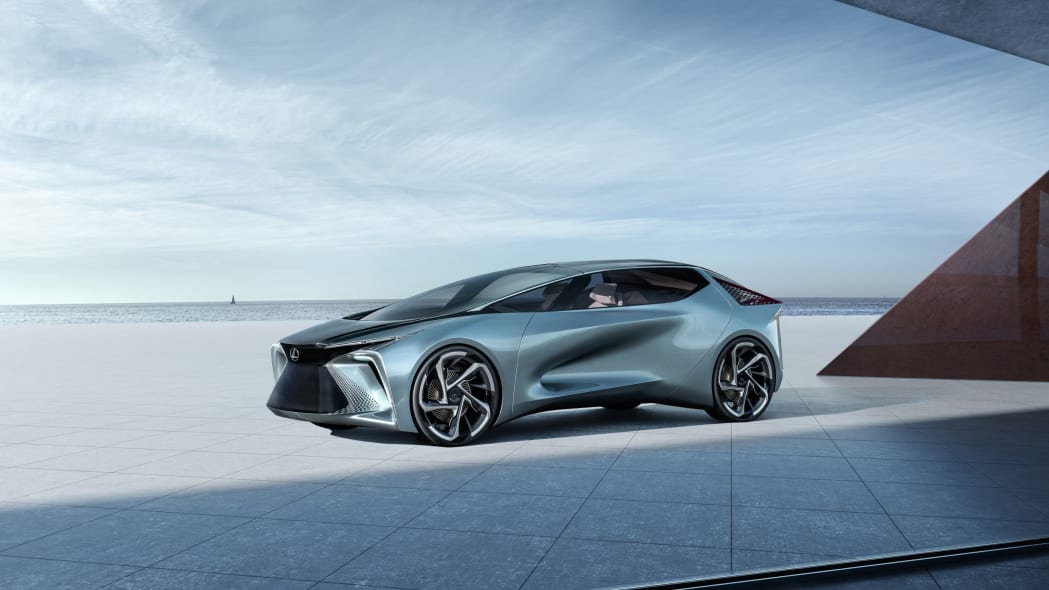
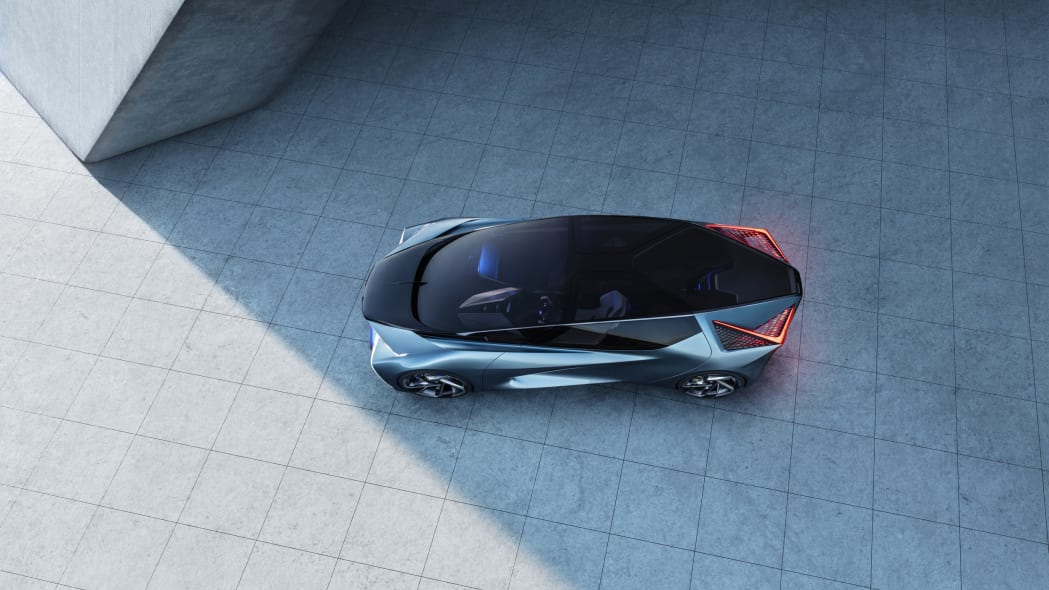
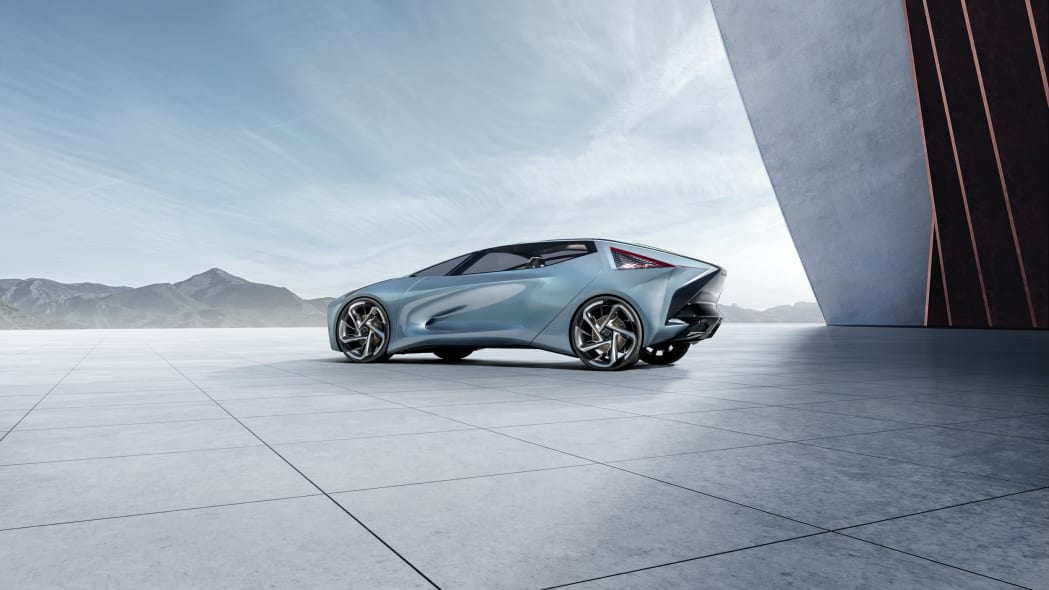

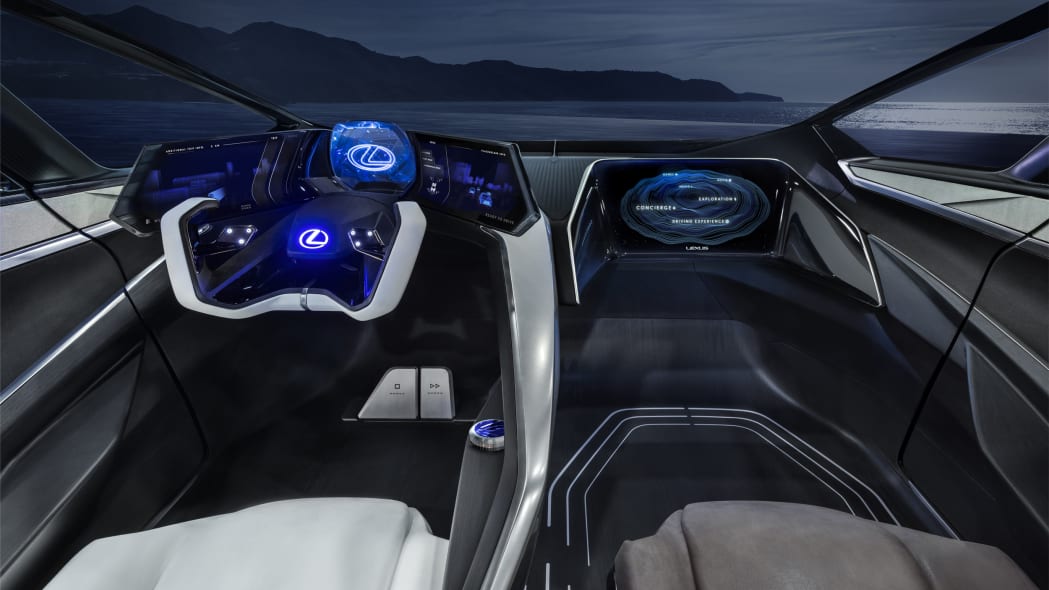
Source
Drawing on lessons learned while designing hybrids, engineers developed a 536-horsepower drivetrain that consists of a mammoth, 110-kilowatt-hour lithium-ion battery pack and four in-wheel electric motors that can deliver front-, rear-, or all-wheel drive.
Don't let the press images fool you; the LS-30 is huge. It's nearly as long as the firm's LS flagship sedan, closer to a Chevrolet Suburban in width, and it weighs almost 5,300 pounds. It can nonetheless reach 60 mph from a stop in 3.8 seconds, and it can travel for up to 310 miles on one charge according to the overly optimistic WLTP testing cycle. Those figures might be irrelevant, because the driver can become a passenger by turning on the on-board autonomous technology and letting it worry about how quickly to accelerate, and when to charge. There's even a drone that Lexus calls an Airporter that autonomous transports luggage, for example, from in front of the owner's house directly to the car's trunk. Odds are you won't even need to tip it.
Traveling in the LF-30 feels different depending on where you're sitting. The driver experiences a new concept Lexus calls Tazuna that draws inspiration from how a rein can create a mutual understanding between a horse and a rider; it sounds similar to what Mazda aimed for with the Miata, which famously channeled Jinba Ittai, or horse and rider as one, but it's a completely different take on it. The driver can adjust the stereo or dial a destination in the navigation system without taking his or her eyes off the road thanks to steering wheel-mounted switches and a large head-up display.
The driver feels a lot like a jet fighter pilot, then. The passenger, on the road hand, is traveling first-class thanks to a seat inspired by high-zoot air travel, and a gesture-controlled screen. The rear seats recline, and the folks sitting in them can watch movies on a voice- and gesture-controlled glass roof called SkyGate. It can alternatively show navigation directions, or a starry sky.
As for the exterior design, you'll love it or you'll hate it, which is par for the course when it comes to the company's cars. Lexus explains it "visually articulated the LF-30 Electrified's unique energy flow" thanks in part to the in-wheel motors, which are much smaller and easier to integrate than a gasoline-powered engine, or even a single, bigger electric motor. What's clear is that the spindle grille won't go away even as Lexus lets battery-powered models settle into its range.
The Lexus LF-30 is more of a statement of intent than an accurate preview of a production model. Lexus pledged to launch its first EV and its first plug-in hybrid during the early 2020s, however, and it hopes its electrified models will ultimately outsell its non-electrified cars. To reach that goal, it announced every car in its range will be electrified to some degree by 2025, which is admirable, but also inevitable if it wants to continue peddling big, heavy vehicles during the next decade
Don't let the press images fool you; the LS-30 is huge. It's nearly as long as the firm's LS flagship sedan, closer to a Chevrolet Suburban in width, and it weighs almost 5,300 pounds. It can nonetheless reach 60 mph from a stop in 3.8 seconds, and it can travel for up to 310 miles on one charge according to the overly optimistic WLTP testing cycle. Those figures might be irrelevant, because the driver can become a passenger by turning on the on-board autonomous technology and letting it worry about how quickly to accelerate, and when to charge. There's even a drone that Lexus calls an Airporter that autonomous transports luggage, for example, from in front of the owner's house directly to the car's trunk. Odds are you won't even need to tip it.
Traveling in the LF-30 feels different depending on where you're sitting. The driver experiences a new concept Lexus calls Tazuna that draws inspiration from how a rein can create a mutual understanding between a horse and a rider; it sounds similar to what Mazda aimed for with the Miata, which famously channeled Jinba Ittai, or horse and rider as one, but it's a completely different take on it. The driver can adjust the stereo or dial a destination in the navigation system without taking his or her eyes off the road thanks to steering wheel-mounted switches and a large head-up display.
The driver feels a lot like a jet fighter pilot, then. The passenger, on the road hand, is traveling first-class thanks to a seat inspired by high-zoot air travel, and a gesture-controlled screen. The rear seats recline, and the folks sitting in them can watch movies on a voice- and gesture-controlled glass roof called SkyGate. It can alternatively show navigation directions, or a starry sky.
As for the exterior design, you'll love it or you'll hate it, which is par for the course when it comes to the company's cars. Lexus explains it "visually articulated the LF-30 Electrified's unique energy flow" thanks in part to the in-wheel motors, which are much smaller and easier to integrate than a gasoline-powered engine, or even a single, bigger electric motor. What's clear is that the spindle grille won't go away even as Lexus lets battery-powered models settle into its range.
The Lexus LF-30 is more of a statement of intent than an accurate preview of a production model. Lexus pledged to launch its first EV and its first plug-in hybrid during the early 2020s, however, and it hopes its electrified models will ultimately outsell its non-electrified cars. To reach that goal, it announced every car in its range will be electrified to some degree by 2025, which is admirable, but also inevitable if it wants to continue peddling big, heavy vehicles during the next decade
This concept represents what Lexus will be making from 2020 to 2030 and Toyota has already announced that they will be releasing their solid state battery EVs in 2020.


