




BMW 7 Series iPerformance Hybrid

Thread Starter
Joined: Oct 2008
Posts: 42,476
Likes: 320
From: California

Lexus Champion
Joined: Feb 2011
Posts: 3,309
Likes: 31
From: Canada

Pole Position
Joined: Jun 2006
Posts: 360
Likes: 6
From: SG

Part of the reason for going with higher stress on smaller engines is that for many countries cars are taxed on the cubic capacity of the engine. Not withstanding that, it appears Lexus, once the leader in hybrids, is in need of catching up. The Germans can now get same economy numbers and much better performance, without a cvt.
Thread Starter
Joined: Oct 2008
Posts: 42,476
Likes: 320
From: California
Part of the reason for going with higher stress on smaller engines is that for many countries cars are taxed on the cubic capacity of the engine. Not withstanding that, it appears Lexus, once the leader in hybrids, is in need of catching up. The Germans can now get same economy numbers and much better performance, without a cvt.
Pole Position
Joined: Jun 2006
Posts: 360
Likes: 6
From: SG
Yes that is totally correct. And they proposed that this was the best way for efficiency. But now others can achieve the efficiency, with much more performance, without the rubber band effect, which the Lexus system still has it. Interesting also that while other car makers improve on performance as they move though generations, Lexus seems to do the opposite. Why?
Thread Starter
Joined: Oct 2008
Posts: 42,476
Likes: 320
From: California
Yes that is totally correct. And they proposed that this was the best way for efficiency. But now others can achieve the efficiency, with much more performance, without the rubber band effect, which the Lexus system still has it. Interesting also that while other car makers improve on performance as they move though generations, Lexus seems to do the opposite. Why?
We're on the cusp of a new generation powertrains. Unfortunately the wait seems to be at a glacial pace

Lexus Champion
Joined: Feb 2011
Posts: 3,309
Likes: 31
From: Canada
 Thanks for explaining!
ClubLexus Stories
Celebrating Lexus & Toyota from Around the Globe
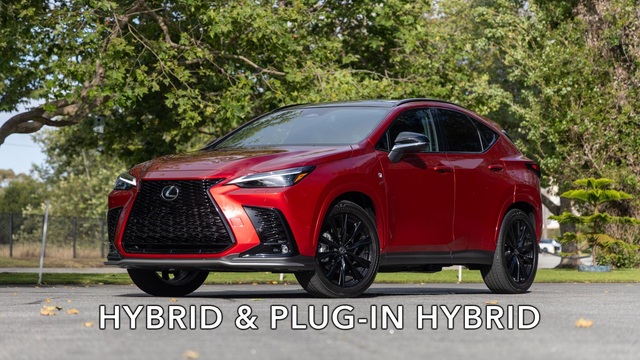
8 Tips for Improving Your Hybrid or Plug-in Hybrid's Efficiency!
Michael S. Palmer
10 Best Lexus Models No One Remembers
Joe Kucinski
TRD Off-Road Premium: Best 2026 4Runner, Except This One Thing
Michael S. Palmer
Top 10 Lexus & Toyotas to Drive Before You Die!
Joe Kucinski
Top 10 Lexus/Toyotas With The LEAST 5-Year Depreciation
Joe Kucinski
Lexus LC500 Convertible Auction: A Preview of Rising Values?
Brett Foote
GX 550 vs TX 550: Best 3-Row Luxury Lexus Family Hauler
Michael S. Palmer
9 Best Lexus Models You Can Buy for Half Price (And 1 You Shouldn't!)
Joe Kucinski
2026 Lexus NX Buyer's Guide: Models, Features, Prices & More!
Brett Foote
Lexus Test Driver
Joined: Aug 2014
Posts: 1,397
Likes: 51
From: CN
Actually, Lexus and Toyota hybrids get close to their manufacturer efficiency ratings while most European hybrids don't. The Euro MPGe test values should be taken with a few kilos of salt 
In fact, any MPGe value should be considered pointless because it doesn't mirror real world driving. It's always disheartening to read about plugin hybrids like the X5e and XC90 T8 getting 20-ish mpg once the battery pack is depleted. The dirty secret about forced induction is that you get high mpg only when off boost and these heavy plugins have to run on boost to go anywhere.
In fact, any MPGe value should be considered pointless because it doesn't mirror real world driving. It's always disheartening to read about plugin hybrids like the X5e and XC90 T8 getting 20-ish mpg once the battery pack is depleted. The dirty secret about forced induction is that you get high mpg only when off boost and these heavy plugins have to run on boost to go anywhere.
Last edited by chromedome; Jul 21, 2016 at 01:37 AM.
Pole Position
Joined: Jun 2006
Posts: 360
Likes: 6
From: SG
Actually, Lexus and Toyota hybrids get close to their manufacturer efficiency ratings while most European hybrids don't. The Euro MPGe test values should be taken with a few kilos of salt
In fact, any MPGe value should be considered pointless because it doesn't mirror real world driving. It's always disheartening to read about plugin hybrids like the X5e and XC90 T8 getting 20-ish mpg once the battery pack is depleted. The dirty secret about forced induction is that you get high mpg only when off boost and these heavy plugins have to run on boost to go anywhere.
In fact, any MPGe value should be considered pointless because it doesn't mirror real world driving. It's always disheartening to read about plugin hybrids like the X5e and XC90 T8 getting 20-ish mpg once the battery pack is depleted. The dirty secret about forced induction is that you get high mpg only when off boost and these heavy plugins have to run on boost to go anywhere.

Thread
Thread Starter
Forum
Replies
Last Post
Gojirra99
Car Chat
16
Apr 21, 2007 11:41 AM