


2016 Lexus RX



Lexus Fanatic


Joined: Oct 2003
Posts: 94,422
Likes: 249
From: Virginia/D.C. suburbs

Thread Starter
Lexus Fanatic
Joined: Nov 2011
Posts: 35,436
Likes: 372
From: ON/NY

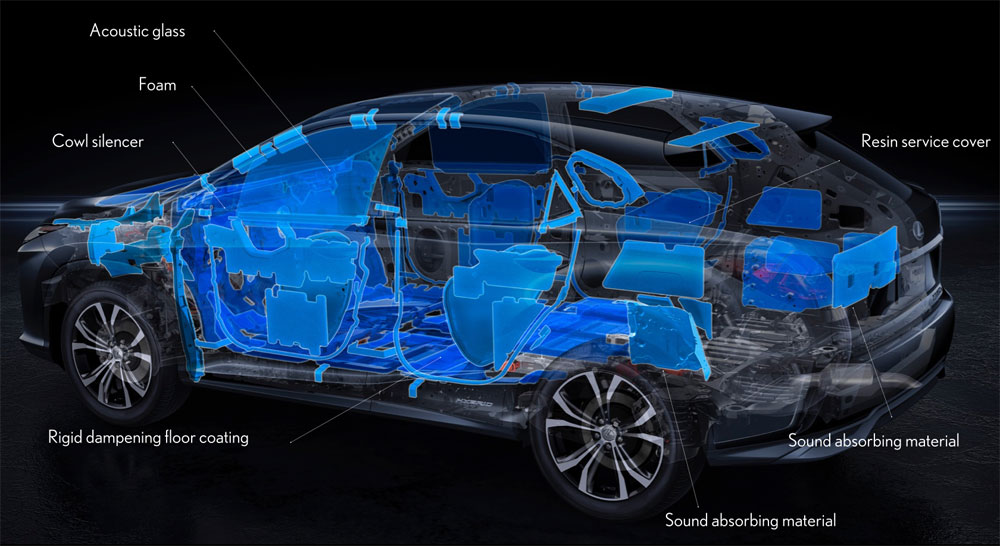
Lexus did a lot of tweaks to get the RX quieter, better drag, changes to the engine mounts, changes to the struts etc etc. One of the more interesting things was the new tires that the RX debuts with, not all of them have it but a lot of RX models have the Michelin Premier LTX tires.
Lexus Fanatic
Joined: Oct 2003
Posts: 94,422
Likes: 249
From: Virginia/D.C. suburbs

Thread Starter
Lexus Fanatic
Joined: Nov 2011
Posts: 35,436
Likes: 372
From: ON/NY


Lexus Fanatic
Joined: Oct 2003
Posts: 94,422
Likes: 249
From: Virginia/D.C. suburbs

Thread Starter
Lexus Fanatic
Joined: Nov 2011
Posts: 35,436
Likes: 372
From: ON/NY
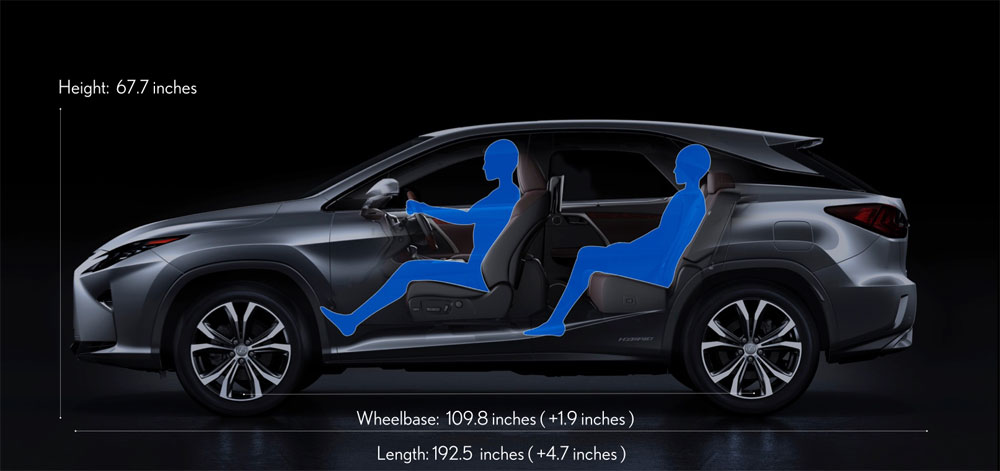
The RX has grown 4.7 inches (120mm) longer to 192.5 inches (4,890mm) in total. As a result, the wheelbase is now up to 109.80 inches (2,790mm), 1.9 inches (50mm) longer.
The width of the new RX has increased just 0.4 inches (10mm) wider than the current model, and height stays the same at 67.7 inches (1,690mm).
The width of the new RX has increased just 0.4 inches (10mm) wider than the current model, and height stays the same at 67.7 inches (1,690mm).
https://lexusenthusiast.com/2015/09/...-450h-preview/

Lexus Fanatic


Joined: May 2012
Posts: 68,631
Likes: 4,045
From: Maryland
One might think this if they did not understand aerodynamics. Styling creases and angles don't have an impact on aerodynamics at speeds that a automobile traverses at.
Lexus Fanatic
Joined: Oct 2003
Posts: 94,422
Likes: 249
From: Virginia/D.C. suburbs
I agree that, all else equal, lower speeds usually = less aerodynamic drag (among other things, I had a flight instructor's rating before I retired). But many, if not most, of today's vehicles are designed with wind-tunnel tests, especially in today's globally-designed platforms where high-speed German Autobahn capability could be needed. And, of course, numbers don't lie......0.33 obviously means 0.33. So I'm not questioning that part.

Lead Lap


Joined: Apr 2002
Posts: 4,892
Likes: 14
From: Virginia
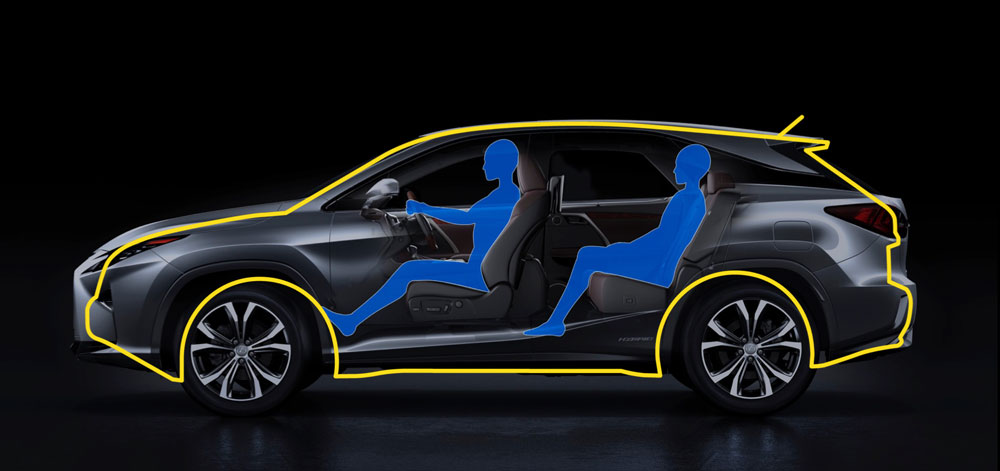
Drag is an enemy for both fuel efficiency and emissions. Should leave the expertise to the engineers. A lot of the "sharp" angles and elements you see can help direct wind more effectively around and ultimately detach from the body.

Lexus Champion
Joined: Feb 2011
Posts: 3,309
Likes: 31
From: Canada
ALL cars are designed with wind tunnel testing. And it's not simply for high-speed German Autobahn capability.
Drag is an enemy for both fuel efficiency and emissions. Should leave the expertise to the engineers. A lot of the "sharp" angles and elements you see can help direct wind more effectively around and ultimately detach from the body.
Drag is an enemy for both fuel efficiency and emissions. Should leave the expertise to the engineers. A lot of the "sharp" angles and elements you see can help direct wind more effectively around and ultimately detach from the body.
I am sure that the rear trunk-lid spoiler and rear under-bumper diffuser on the ES 300h Hybrid that are not there on the normal ES 350 are there to smooth airflow over and under the car, thus helping to reduce fuel consumption.
Since the level of emissions is related to fuel consumption -- burn more fuel and you produce more emissions -- improving aerodynamics to reduce fuel consumption, whether with Mercedes-Benz' new teardrop shapes or Toyota's new sharp, edgy shapes, is good practice, and something that all automakers are doing (although some are better and/or more concerned about it).
Thread Starter
Lexus Fanatic
Joined: Nov 2011
Posts: 35,436
Likes: 372
From: ON/NY