



2025 EQS Refresh

Thread Starter
Lexus Fanatic


Joined: May 2012
Posts: 69,224
Likes: 4,221
From: Maryland
 2025 EQS Refresh
Its an improvement, doesn't solve the shape issues for me...
https://media.mbusa.com/releases/rel...dates-for-2025

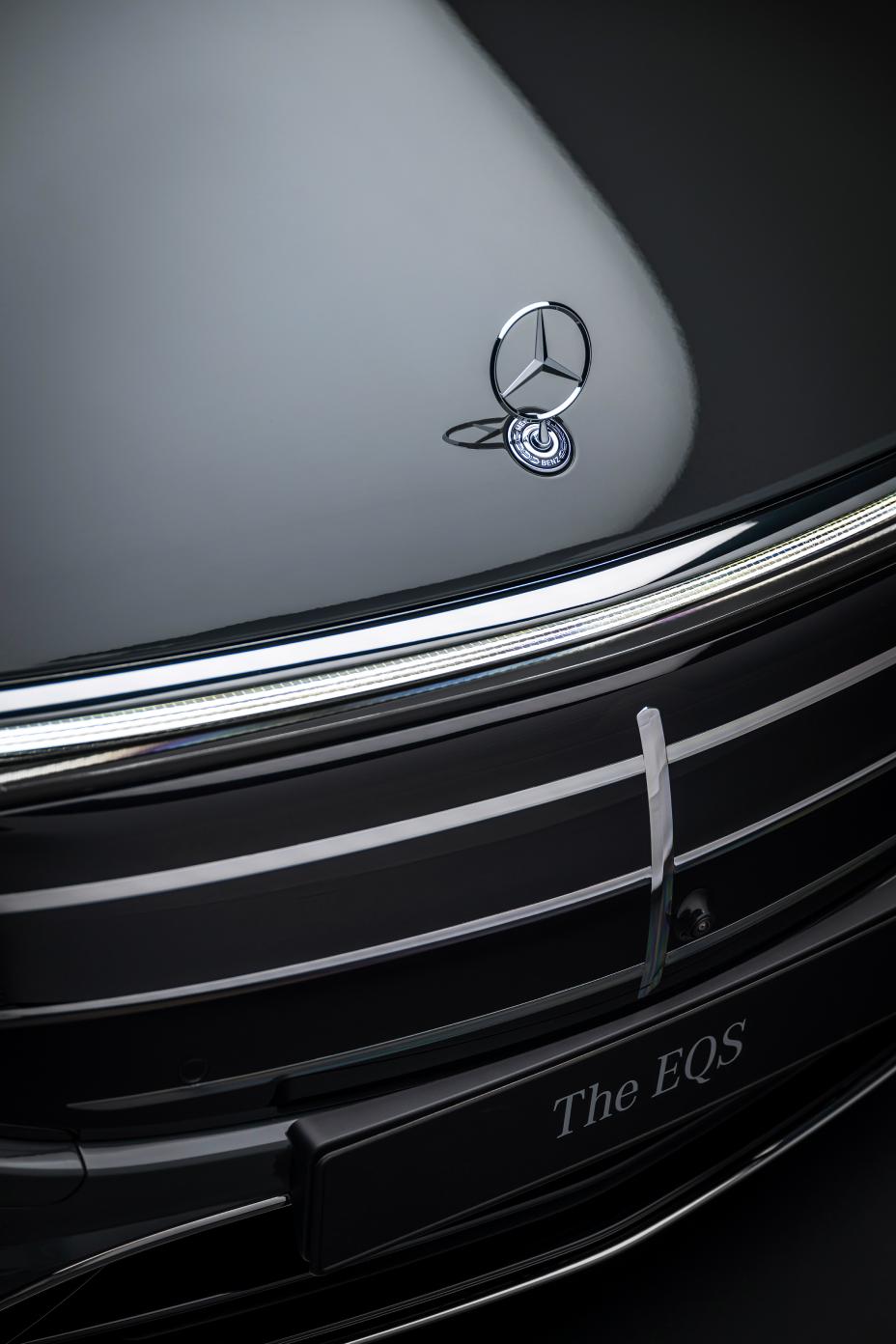
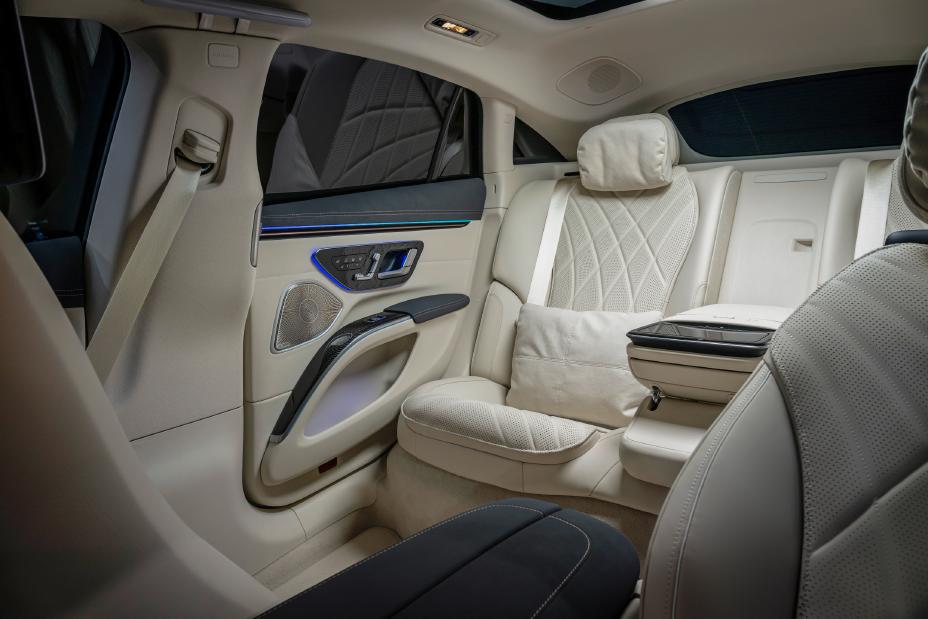
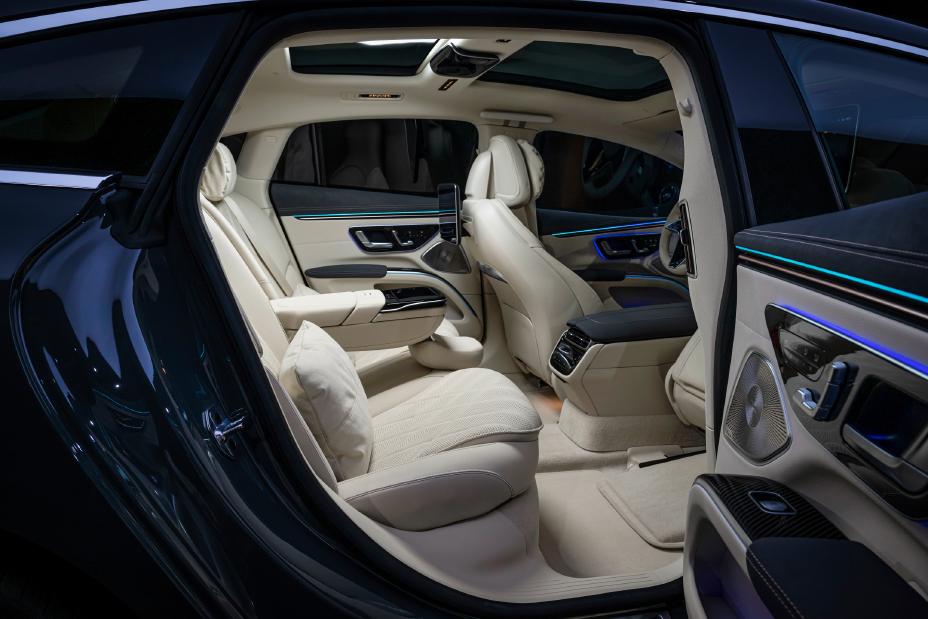

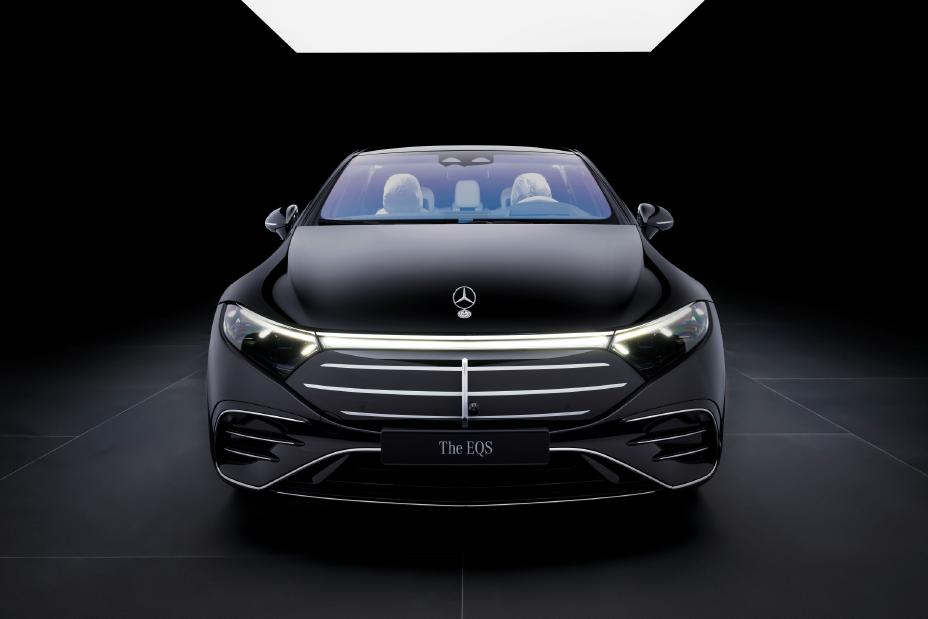
https://media.mbusa.com/releases/rel...dates-for-2025
Thread Starter
Lexus Fanatic
Joined: May 2012
Posts: 69,224
Likes: 4,221
From: Maryland
Trending Topics
ClubLexus Stories
Celebrating Lexus & Toyota from Around the Globe

Lexus NX 350h: A Fuel-Sipping Secret Hot Hatch???
Michael S. Palmer
5 Best & 5 Worst Lexus Daily Drivers
Joe Kucinski
Top 5 Hottest Lexus & Toyotas in 2026 (Hardest To Buy)
Brett Foote
2026 Lexus IS 350 F Sport Review: The Last of Its Kind Still Rocks
Michael S. Palmer
Top 10 Most Confusing Things Lexus Has Ever Done!
Joe Kucinski
2026 Lexus ES Review: Lexus Re-Embraces Founding Principles
Michael S. Palmer
10 Lexus Bargains That are Cheaper Than a New Toyota RAV4
Joe Kucinski
8 Weirdest Things Lexus Has Ever Built
Verdad Gallardo
10 Lexus Designs That Have Aged Like Fine Wine
Verdad Gallardo
Thread Starter
Lexus Fanatic
Joined: May 2012
Posts: 69,224
Likes: 4,221
From: Maryland
The proof is in the sales and what MB is doing though, clearly the car doesn’t land with buyers as they had hoped. There are many traditional MB buyers like me who want a more traditional looking MB EV. That’s why they are making these changes, and making them in an emergency outside of a refresh year. My MB dealer has stopped ordering EQS sedans for inventory entirely because they sell so poorly.
I still dislike the shape and wouldn’t buy this car, but it is amazing to me how much the traditional grille and the hood ornament improve its appeal. I’m excited to see the 2026 refresh..
Hopefully there will also be interior quality improvements, although still on that black one with the Manufaktur interior it still doesn’t have a leather wrapped airbag cover so I’m dubious…
I still dislike the shape and wouldn’t buy this car, but it is amazing to me how much the traditional grille and the hood ornament improve its appeal. I’m excited to see the 2026 refresh..
Hopefully there will also be interior quality improvements, although still on that black one with the Manufaktur interior it still doesn’t have a leather wrapped airbag cover so I’m dubious…
Last edited by SW17LS; Apr 10, 2024 at 07:33 PM.

Lexus Champion


Joined: Apr 2019
Posts: 11,404
Likes: 1,642
From: FL
Thread Starter
Lexus Fanatic
Joined: May 2012
Posts: 69,224
Likes: 4,221
From: Maryland
In person the interior is a let down, quality is much closer to an E Class than an S Class, hopefully this refresh includes improvements there but it’s hard to tell in pictures.

Pole Position

Joined: Mar 2014
Posts: 3,354
Likes: 555
From: fl
I have an ignorant question to ask. How much range would a car lose by being more "traditionally" shaped instead of "EV shaped"? Ex: if this EQS was shaped exactly like an S550, how much would the range decrease? 10%? If yes, on a car that might get 200 miles/day (highway only), why would I care if it got 180 miles by having a more "traditional" design? This is part of what I don't understand about Hyundai and Kia designs. They make beautiful mainstream cars, but (IMO) make EV's that are odd in shape and design in order to maximize efficiency. For the average person driving 50-70 miles/day and could charge at home nightly, who cares?

CL Community Team


Joined: Feb 2007
Posts: 9,432
Likes: 638
From: IL
I have an ignorant question to ask. How much range would a car lose by being more "traditionally" shaped instead of "EV shaped"? Ex: if this EQS was shaped exactly like an S550, how much would the range decrease? 10%? If yes, on a car that might get 200 miles/day (highway only), why would I care if it got 180 miles by having a more "traditional" design? This is part of what I don't understand about Hyundai and Kia designs. They make beautiful mainstream cars, but (IMO) make EV's that are odd in shape and design in order to maximize efficiency. For the average person driving 50-70 miles/day and could charge at home nightly, who cares?
1. Range anxiety
2. Public charging
3. Range anxiety
4. Charging on long trips
5. Resale value
6. Battery replacement cost
7. Range anxiety
They're trying to make their offerings as compelling as possible to overcome those objections.

Lexus Champion

Joined: Oct 2019
Posts: 19,945
Likes: 3,839
From: California
I have an ignorant question to ask. How much range would a car lose by being more "traditionally" shaped instead of "EV shaped"? Ex: if this EQS was shaped exactly like an S550, how much would the range decrease? 10%? If yes, on a car that might get 200 miles/day (highway only), why would I care if it got 180 miles by having a more "traditional" design? This is part of what I don't understand about Hyundai and Kia designs. They make beautiful mainstream cars, but (IMO) make EV's that are odd in shape and design in order to maximize efficiency. For the average person driving 50-70 miles/day and could charge at home nightly, who cares?
But if you travel like me, than for me Tesla is the best option due to its decent range and widely available charging infrastructure

Lead Lap
Joined: May 2010
Posts: 4,074
Likes: 1,723
From: San Diego, CA
I don't know if MB have released the range estimates for this refresh but we should be well beyond range anxiety by now given the relatively low daily mileage of the average American. Anything over 250 mile range and the average driver is lasting a week plus on a singe charge. If it turns out you don't fit that profile and/or you can't change at home then sure this (or any EV) might not be for you. But for the average driver, there is literally nothing on the market that won't see them through a working week with little to no range anxiety.