When you click on links to various merchants on this site and make a purchase, this can result in this site earning a commission. Affiliate programs and affiliations include, but are not limited to, the eBay Partner Network.
@n1SomeGuy so the sound we hear is the compressed air going back into the intake and not out into the environment?
Correct...the stock intake has a lot of baffling in it which means the sound never escapes, but with an aftermarket intake the sound just echos its way out of the air filter.
There's actually two kinds of sounds you will hear (on occasion with the stock intake, all the time with pod filters).
1) The "sneeze". That's the bypass valve working. If you aggressively take your foot off the gas, the valve activates and sends compressed air back to just in front of the compressor. (Not out to the environment. That would be a blow-off valve)
2) The "wheeze". Sometimes when you gradually take your foot off the gas. Other times, when you hit your boost limit. That's the sound of the wastegate opening and letting exhaust gasses bypass the turbine and go straight to the muffler (or center box... you get what I mean). That is how the system regulates boost pressure.
I just installed mine. A LOT of SWOOSShhhhh when I start to build any type of boost and when I let go of the throttle, it's sneezes when the bypass valve opens up. Kinda sounds like anaftermarket BOV is installed.
Sounds fun and weird at the same time. Feel a slight increase of power and slightly better pedal response.
So Here's my question... Lexus put a lot of work into the funneling of the intake to a lower, cooler area in the fender. I feel like they wouldn't do that if "Turbo cars are not effected by hot air". I totally get the want for the Bypass valve let off. It's actually pretty cool. But It makes me wonder how much harder the water/air cooler must work because of the removal of the stock system.
On the same token, No one has removed the PCV re-circulation tubes on the intake. Which would introduce tons of very hot air.
So Here's my question... Lexus put a lot of work into the funneling of the intake to a lower, cooler area in the fender. I feel like they wouldn't do that if "Turbo cars are not effected by hot air". I totally get the want for the Bypass valve let off. It's actually pretty cool. But It makes me wonder how much harder the water/air cooler must work because of the removal of the stock system.
On the same token, No one has removed the PCV re-circulation tubes on the intake. Which would introduce tons of very hot air.
True, but if you remove the pcv it will affect your oil change mileage range. The nx uses a venturi type system to actually create vacuum and pull crank case vapors out of the engine, if you have every turbo charged an n/a car (like a scion tc in my example) you will see that boost causes you to loose vacuum in the crank case and that causes pressure build up which in turn puts pressure on the turbo oil gaskets and makes the turbo smoke. That was a problem that took quite some time to figure out and fix!
Got access to a FLIR.. here are some readings I took with AEM CAI. Temps would most likely be different when there is air flowing, but this maybe a good reference for stationary temps. Sorry for my mumbling, I didn't realize the engine was so loud.
2016 Lexus NX200t F-Sport
Time: ~1:30PM
Outside Temp: 95º F (35º C)
Drive Time: 20 min local
Engine Block: 190º F (87.8ºC)
Turbo: 244º F (117.8 ºC)
Intake Tube: 140º F (60 ºC)
Intake Shield: 140º F (60 ºC)
Intake Filter: 125º F (51.6 ºC)
Tom's Box: 120º F (48.9 ºC)
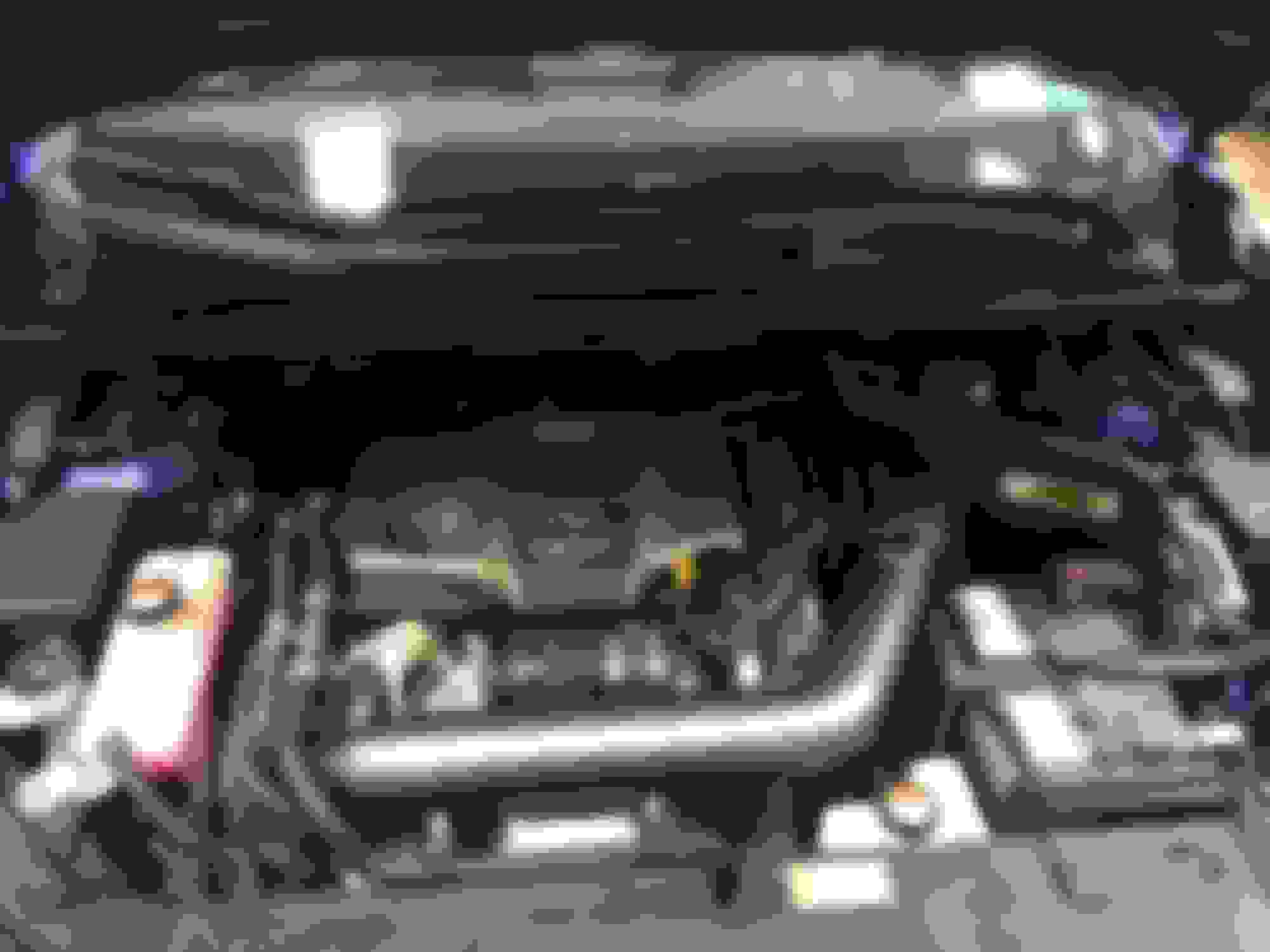
Hey Guys. Just installed my AEM CAI and in the picture, the vent tube circled in red has a little bit of oil in it when I removed the stock intake. Is that normal?
Those are the PCV (Positive Crank Vent) tubes we have been talking about. The oil is normal, that is a direct tube to the crank case. The engine is dual baffled to reduce oil build up but it's not enough. When I sold my 2016 NX, I pulled the AEM off and found a good amount of oil residue.
The 8AR-FTS in the RC200t and IS200t have +6HP than in the NX (total 241HP). The Super GT RCF also uses a 2.0L turbo 4cyl engine that produces 550PS, but yes, thats a racing engine. Definitely capable little engine!