


100% Tariff on Chinese-Made EVs.


Thread Starter
Lexus Fanatic


Joined: Oct 2003
Posts: 94,222
Likes: 220
From: Virginia/D.C. suburbs
 100% Tariff on Chinese-Made EVs.
Well, here's a bombshell announcement. The Biden Administration is increasing the tariffs on Chinese-made EVs from 25% to a full 100%.
Maybe this will (finally) start forcing auto manufacturers to start bringing plants....and jobs....back to the U.S. if they want to sell vehicles here.
https://gmauthority.com/blog/2024/05...nese-made-evs/
The Biden administration has announced a significant increase in tariffs on a range of Chinese-manufactured goods, including electric vehicles. The latest round of hikes includes a 100 percent tariff on Chinese EVs, a dramatic increase from the 25 percent imposed previously. While GM does not currently import Chinese-made EVs to the U.S., it does build several all-electric models in China through the SAIC-GM joint venture.
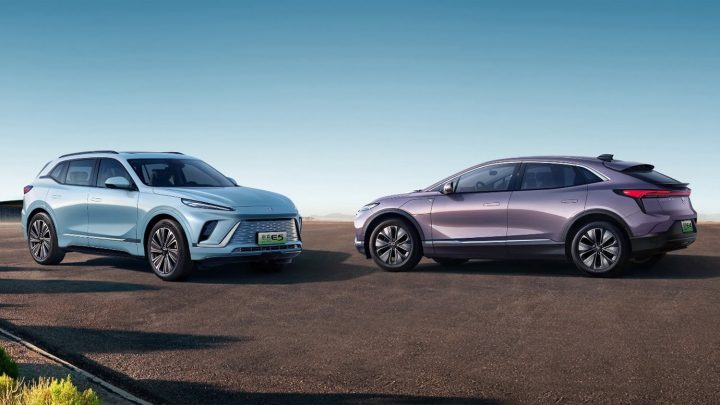
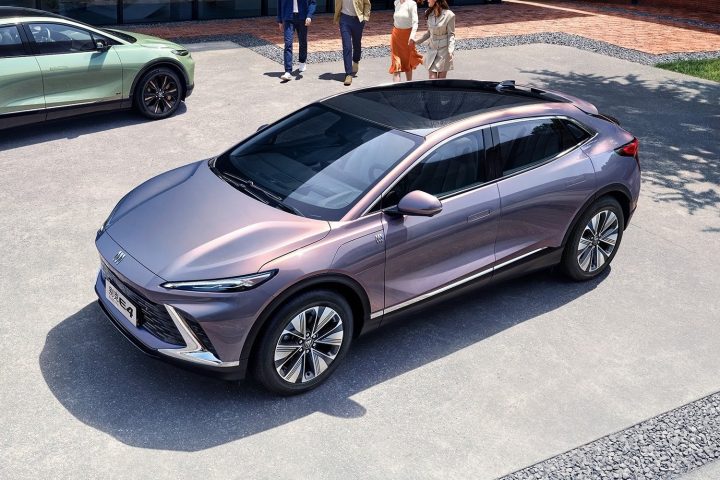 At present, GM’s Chinese-made, all-electric portfolio includes the Buick Electra E4 and E5, as well as Chinese-market versions of the Cadillac Lyriq and Optiq. Although GM has no known plans to import Chinese-made EVs stateside, the increased tariff poses a significant barrier to the possibility.
Currently, the Cadillac Optiq is manufactured exclusively in Wuhan, China, however GM will most likely manufacture the U.S.-spec Cadillac Optiq in North America. Potential production locations include GM’s Ramos Arizpe plant in Mexico, which also handles production for the Chevy Equinox EV and Chevy Blazer EV, or possibly GM’s Spring Hill plant in Tennessee, where the U.S.-spec Cadillac Lyriq is assembled.
The policy change reflects a broader strategy by the Biden administration to strengthen domestic manufacturing capabilities in critical sectors such as semiconductors, batteries, and EVs. The move also aligns with ongoing efforts encapsulated in legislative measures like the bipartisan infrastructure act and the Chips and Science Act, aiming to counteract competitive pressures from Chinese industrial policies perceived as unfair.
Per Automotive News, the latest round of hikes bring the tariff on Chinese-made semiconductors from 25 percent to 50 percent by 2025. Critical minerals like graphite and permanent magnet materials will also see a new 25 percent tariff in the 2024 calendar year. Lithium-ion batteries and other EV components will see an increase from 7.5 percent to 25 percent this year, with non-EV lithium-ion batteries facing a 25-percent tariff in 2026. Solar-cell tariffs increase to 50 percent this year, up from 25 percent previously.
Subscribe to GM Authority for more GM-related political news, GM business news, GM electric vehicle news, GM production news, and around-the-clock GM news coverage.
Maybe this will (finally) start forcing auto manufacturers to start bringing plants....and jobs....back to the U.S. if they want to sell vehicles here.
https://gmauthority.com/blog/2024/05...nese-made-evs/
Biden Admin Imposes 100 Percent Tariff On Chinese-Made EVs
7- BY JONATHAN LOPEZ
- — MAY 14, 2024
The Biden administration has announced a significant increase in tariffs on a range of Chinese-manufactured goods, including electric vehicles. The latest round of hikes includes a 100 percent tariff on Chinese EVs, a dramatic increase from the 25 percent imposed previously. While GM does not currently import Chinese-made EVs to the U.S., it does build several all-electric models in China through the SAIC-GM joint venture.
At present, GM’s Chinese-made, all-electric portfolio includes the Buick Electra E4 and E5, as well as Chinese-market versions of the Cadillac Lyriq and Optiq. Although GM has no known plans to import Chinese-made EVs stateside, the increased tariff poses a significant barrier to the possibility.Currently, the Cadillac Optiq is manufactured exclusively in Wuhan, China, however GM will most likely manufacture the U.S.-spec Cadillac Optiq in North America. Potential production locations include GM’s Ramos Arizpe plant in Mexico, which also handles production for the Chevy Equinox EV and Chevy Blazer EV, or possibly GM’s Spring Hill plant in Tennessee, where the U.S.-spec Cadillac Lyriq is assembled.
The policy change reflects a broader strategy by the Biden administration to strengthen domestic manufacturing capabilities in critical sectors such as semiconductors, batteries, and EVs. The move also aligns with ongoing efforts encapsulated in legislative measures like the bipartisan infrastructure act and the Chips and Science Act, aiming to counteract competitive pressures from Chinese industrial policies perceived as unfair.
Per Automotive News, the latest round of hikes bring the tariff on Chinese-made semiconductors from 25 percent to 50 percent by 2025. Critical minerals like graphite and permanent magnet materials will also see a new 25 percent tariff in the 2024 calendar year. Lithium-ion batteries and other EV components will see an increase from 7.5 percent to 25 percent this year, with non-EV lithium-ion batteries facing a 25-percent tariff in 2026. Solar-cell tariffs increase to 50 percent this year, up from 25 percent previously.
Subscribe to GM Authority for more GM-related political news, GM business news, GM electric vehicle news, GM production news, and around-the-clock GM news coverage.



Thread Starter
Lexus Fanatic
Joined: Oct 2003
Posts: 94,222
Likes: 220
From: Virginia/D.C. suburbs
Trending Topics

CL Community Team


Joined: Feb 2007
Posts: 9,312
Likes: 584
From: IL
That experiment showed us that the only companies that thrive in a tariff environment are those that have complete top to bottom control of their entire supply chain, which COVID made clear is not the case for ANY major automaker. Those that used Chinese suppliers did indeed see a 3.89% drop in return on assets while the tariffs were in effect. But those that had a highly-diversified supply chain involving multiple regions saw a decline of 6.37%. Hardest hit were those with highly-complex supply chain, where one supplier's output served as an input for another supplier. They saw declines of 8.25%.

Lexus Test Driver


Joined: Mar 2020
Posts: 5,482
Likes: 89
From: N/A
I'm more curious to see how this affects the pricing of non-Chinese vehicles using Chinese components like batteries and semiconductors, because that's most if not all cars being sold here in the U.S.

Intermediate
Joined: Apr 2014
Posts: 345
Likes: 25
From: PA
IMO Tesla is the best positioned for a trade war. They are the only company with significant EV manufacturing in China, US, and EU. I think each would be able to operate in a stand alone enough manner to avoid tariffs in most cases. The general assembly and batteries are what tax breaks and tariffs have so far gone after.

Lead Lap

Joined: Jul 2007
Posts: 4,449
Likes: 602
From: SC
IMO Tesla is the best positioned for a trade war. They are the only company with significant EV manufacturing in China, US, and EU. I think each would be able to operate in a stand alone enough manner to avoid tariffs in most cases. The general assembly and batteries are what tax breaks and tariffs have so far gone after.

Lead Lap


Joined: Aug 2011
Posts: 4,687
Likes: 543
From: Ca
Tesla should never have manufactured in China, because Tesla is allowing China to legally steal US technology.
I supported Lexus when Lexus refused to assemble their cars in China, because Lexus would have to partner with a local Chinese company and legally handover Lexus technology.
I am appalled that the Germans legally handed over German automotive technology to the Chinese just to crack into the Chinese market.
