


The Mercedes Benz Bionic Car Concept


Thread Starter
CL Community Team


Joined: Oct 2002
Posts: 30,278
Likes: 355
From: Canada
 The Mercedes Benz Bionic Car Concept
Outstanding Values for Fuel Consumption and Emissions Based on the Latest Diesel
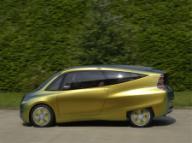
Technology and Bionics
WASHINGTON, June 7 -- DaimlerChrysler is using a new concept vehicle to examine the great potential of bionics for automobile development, and has achieved outstanding results for fuel consumption and emissions with a combination of pioneering diesel engine technology and innovative emission control methods. The Mercedes-Benz bionic car study had its world premiere at today's DaimlerChrysler Innovation Symposium in Washington.
To realise the Mercedes-Benz bionic car, the engineers at the Mercedes-Benz Technology Centre and the DaimlerChrysler Research department have for the first time looked for a specific example in nature which not only approximates to the idea of an aerodynamic, safe, comfortable and environmentally compatible car in terms of details, but as a formal and structural whole. The example arrived at was the boxfish.
Despite its boxy, cube-shaped body, this tropical fish is in fact outstandingly streamlined and therefore represents an aerodynamic ideal. With an accurately constructed model of the boxfish the engineers in Stuttgart were able to achieve a wind drag coefficient of just 0.06 in the wind tunnel.
In order to use this great potential for automobile development purposes, specialists at DaimlerChrysler first created a 1:4 car model whose shape was substantially based on the boxfish. During tests in the wind tunnel, a drag coefficient of 0.095 -- a previously unprecedented value in automotive engineering -- was measured for this clay model. It corresponds to the values achieved with highly streamlined shapes (Cd 0.09) and other aerodynamically ideal forms.
DaimlerChrysler utilised the findings from this research during the development of the Mercedes-Benz bionic car, a fully functioning and roadworthy compact car with a length of 4.24 metres and space for four occupants plus luggage. With a Cd value of just 0.19, this concept vehicle is among the most aerodynamically efficient in this size category.
20 percent lower fuel consumption and up to 80 percent lower nitrogen oxide emissions
In addition to superb aerodynamics and a lightweight construction concept derived from nature, the 103 kW/140-hp diesel engine and innovative SCR technology (Selective Catalytic Reduction) greatly contribute to fuel economy and a further reduction in exhaust emissions. In the EU driving cycle the concept car has a fuel consumption of 4.3 litres per 100 kilometres - 20 less than a comparable series-production car. In accordance with the US measuring method (FTP 75) the range is around 70 miles per US gallon (combined), which is about 30 percent more than for a standard-production car. At a constant speed of 90 km/h the direct-injection diesel unit consumes only 2.8 litres per 100 kilometres- corresponding to a range of 84 miles per gallon in the US test cycle.
DaimlerChrysler is currently testing its SCR technology worldwide. By this means, and with the additional operating fluid "AdBlue", the nitrogen oxide emissions of the direct-injection diesel engine can be reduced by up to 80 percent. The aim of these trials is to avoid the fuel consumption disadvantages by optimising the in-engine combustion processes. This is where Mercedes-Benz car engineers are benefiting from the experience gained by their colleagues in the commercial vehicle sector, where SCR technology is already in successful use. DaimlerChrysler also intends to use the great potential of this process for diesel passenger cars in future, and will initially be offering SCR technology in the USA when the trials have been completed.
"AdBlue" is an aqueous urea solution which is sprayed into the exhaust system in precisely metered quantities, depending on the engine operating status. This converts the nitrogen oxides into harmless nitrogen and water. The reservoir for this service fluid is located in the spare wheel recess of the concept car, and its capacity is sufficient for a mileage corresponding to the service interval for a current Mercedes diesel model. The Mercedes-Benz bionic car study is also equipped with a maintenance-free diesel particulate filter.
Great rigidity and low weight - a growth principle designed by nature
The boxfish, the aerodynamic model for the concept car, is also a prime example of rigidity and light weight. Its skin consists of numerous hexagonal, bony plates which provide maximum strength with minimal weight and effectively protect the animal from injury.
DaimlerChrysler researchers examined this bionic structure and transferred this principle to the Mercedes-Benz bionic car study with the help of a special calculation process. The process is based on the principles of bone formation and for instance allows up to 40 percent more rigidity to be achieved in the external door panelling than would be possible with conventional designs. If the entire bodyshell is calculated according to this bionic principle, the total weight is reduced by around one third with undiminished strength and crash safety.
source : theautochannel
Technology and Bionics
WASHINGTON, June 7 -- DaimlerChrysler is using a new concept vehicle to examine the great potential of bionics for automobile development, and has achieved outstanding results for fuel consumption and emissions with a combination of pioneering diesel engine technology and innovative emission control methods. The Mercedes-Benz bionic car study had its world premiere at today's DaimlerChrysler Innovation Symposium in Washington.
To realise the Mercedes-Benz bionic car, the engineers at the Mercedes-Benz Technology Centre and the DaimlerChrysler Research department have for the first time looked for a specific example in nature which not only approximates to the idea of an aerodynamic, safe, comfortable and environmentally compatible car in terms of details, but as a formal and structural whole. The example arrived at was the boxfish.
Despite its boxy, cube-shaped body, this tropical fish is in fact outstandingly streamlined and therefore represents an aerodynamic ideal. With an accurately constructed model of the boxfish the engineers in Stuttgart were able to achieve a wind drag coefficient of just 0.06 in the wind tunnel.
In order to use this great potential for automobile development purposes, specialists at DaimlerChrysler first created a 1:4 car model whose shape was substantially based on the boxfish. During tests in the wind tunnel, a drag coefficient of 0.095 -- a previously unprecedented value in automotive engineering -- was measured for this clay model. It corresponds to the values achieved with highly streamlined shapes (Cd 0.09) and other aerodynamically ideal forms.
DaimlerChrysler utilised the findings from this research during the development of the Mercedes-Benz bionic car, a fully functioning and roadworthy compact car with a length of 4.24 metres and space for four occupants plus luggage. With a Cd value of just 0.19, this concept vehicle is among the most aerodynamically efficient in this size category.
20 percent lower fuel consumption and up to 80 percent lower nitrogen oxide emissions
In addition to superb aerodynamics and a lightweight construction concept derived from nature, the 103 kW/140-hp diesel engine and innovative SCR technology (Selective Catalytic Reduction) greatly contribute to fuel economy and a further reduction in exhaust emissions. In the EU driving cycle the concept car has a fuel consumption of 4.3 litres per 100 kilometres - 20 less than a comparable series-production car. In accordance with the US measuring method (FTP 75) the range is around 70 miles per US gallon (combined), which is about 30 percent more than for a standard-production car. At a constant speed of 90 km/h the direct-injection diesel unit consumes only 2.8 litres per 100 kilometres- corresponding to a range of 84 miles per gallon in the US test cycle.
DaimlerChrysler is currently testing its SCR technology worldwide. By this means, and with the additional operating fluid "AdBlue", the nitrogen oxide emissions of the direct-injection diesel engine can be reduced by up to 80 percent. The aim of these trials is to avoid the fuel consumption disadvantages by optimising the in-engine combustion processes. This is where Mercedes-Benz car engineers are benefiting from the experience gained by their colleagues in the commercial vehicle sector, where SCR technology is already in successful use. DaimlerChrysler also intends to use the great potential of this process for diesel passenger cars in future, and will initially be offering SCR technology in the USA when the trials have been completed.
"AdBlue" is an aqueous urea solution which is sprayed into the exhaust system in precisely metered quantities, depending on the engine operating status. This converts the nitrogen oxides into harmless nitrogen and water. The reservoir for this service fluid is located in the spare wheel recess of the concept car, and its capacity is sufficient for a mileage corresponding to the service interval for a current Mercedes diesel model. The Mercedes-Benz bionic car study is also equipped with a maintenance-free diesel particulate filter.
Great rigidity and low weight - a growth principle designed by nature
The boxfish, the aerodynamic model for the concept car, is also a prime example of rigidity and light weight. Its skin consists of numerous hexagonal, bony plates which provide maximum strength with minimal weight and effectively protect the animal from injury.
DaimlerChrysler researchers examined this bionic structure and transferred this principle to the Mercedes-Benz bionic car study with the help of a special calculation process. The process is based on the principles of bone formation and for instance allows up to 40 percent more rigidity to be achieved in the external door panelling than would be possible with conventional designs. If the entire bodyshell is calculated according to this bionic principle, the total weight is reduced by around one third with undiminished strength and crash safety.
source : theautochannel


Guest
Posts: n/a
I find it a lil funny they are saying how the car is lighter and has better aerodynamics and fuel economy improved like that is real rocket science.
Well DUH....
Now learning from animals to make a better car, that is good stuff. Many cars already look like fish in the front anyway
Well DUH....
Now learning from animals to make a better car, that is good stuff. Many cars already look like fish in the front anyway

Lexus Fanatic
Joined: Jan 2005
Posts: 7,285
Likes: 0
From: A better place
What I find funny is that when (yes, it's only a matter of time) Toyota releases a hybrid diesel, Chrysler will be left scratching their heads. Toyotas hybrid system can be fitted to ANY sort of engine ... gas, diesel, hydrogen, etc.
Unfortunately, people do NOT get this ... and it looks like Chrysler doesn't get it either.
On top of that, is this car actually practical, economical, or viable? Can it compete with the *current* Prius in terms of safety, performance, economy, and practicality? I doubt it.
Unfortunately, people do NOT get this ... and it looks like Chrysler doesn't get it either.
On top of that, is this car actually practical, economical, or viable? Can it compete with the *current* Prius in terms of safety, performance, economy, and practicality? I doubt it.


Thread
Thread Starter
Forum
Replies
Last Post
GFerg
Car Chat
21
Jun 20, 2007 10:03 AM
