



2026 Hyundai Palisade Refresh

Lexus Champion


Joined: Apr 2019
Posts: 11,403
Likes: 1,639
From: FL

I've heard bad things about small engines with turbos and DI but I don't know if it's really true.

Lexus Test Driver


Joined: Mar 2020
Posts: 5,482
Likes: 89
From: N/A
Lexus Champion
Joined: Apr 2019
Posts: 11,403
Likes: 1,639
From: FL
Only reason is I don't know what my next car will be, when the time comes.
>> I wish there was a like button here sometimes! 🛸
Lexus Test Driver
Joined: Mar 2020
Posts: 5,482
Likes: 89
From: N/A
The only major difference between naturally aspirated and turbo engines when it comes to maintenance is that spark plugs have to be replaced more frequently, usually at 40K miles vs. 60K or higher for naturally aspirated engines. Oil changes should be more frequent too, but to be honest this could be said for all engines compared to whatever the OEM manual suggests.
ClubLexus Stories
Celebrating Lexus & Toyota from Around the Globe

Lexus NX 350h: A Fuel-Sipping Secret Hot Hatch???
Michael S. Palmer
5 Best & 5 Worst Lexus Daily Drivers
Joe Kucinski
Top 5 Hottest Lexus & Toyotas in 2026 (Hardest To Buy)
Brett Foote
2026 Lexus IS 350 F Sport Review: The Last of Its Kind Still Rocks
Michael S. Palmer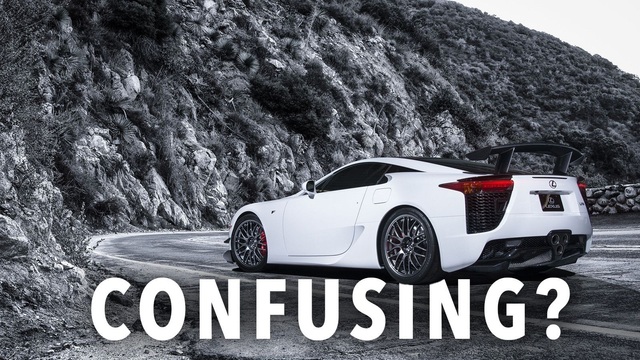
Top 10 Most Confusing Things Lexus Has Ever Done!
Joe Kucinski
2026 Lexus ES Review: Lexus Re-Embraces Founding Principles
Michael S. Palmer
10 Lexus Bargains That are Cheaper Than a New Toyota RAV4
Joe Kucinski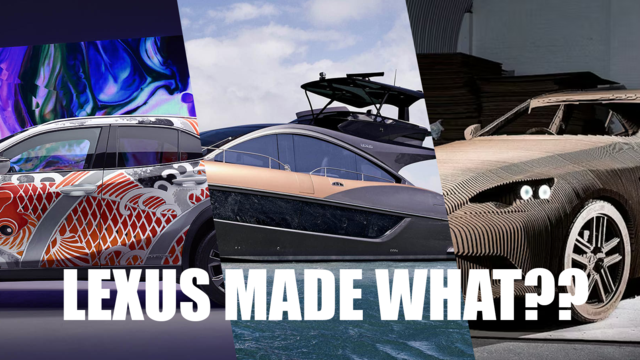
8 Weirdest Things Lexus Has Ever Built
Verdad Gallardo
10 Lexus Designs That Have Aged Like Fine Wine
Verdad Gallardo


Lexus Fanatic
Joined: Nov 2011
Posts: 35,648
Likes: 426
From: ON/NY
my mistake and I’m wrong on the coolant for turbos. I am thinking of coolant for hybrid inverters, specifically the Toyota turbo hybrid models which is on my mind
Last edited by Toys4RJill; Dec 9, 2024 at 10:20 AM.

Thread Starter
Lexus Fanatic


Joined: May 2012
Posts: 69,222
Likes: 4,220
From: Maryland
Considering this is 1/4 the cost of a Range Rover Autobiography I would suggest thats a positive

some hilarious (if predictable) comments. 
i do agree the large curves on the ends of the dash in particular are a bit much. maybe they hired apple's ex designer. 
at a fraction of audi model's costs or your flagships, i doubt you will be impressed.
yes, couldn't move to any of that 'newfangled' stuff like most other brands have.
most people don't consider that car makers really don't care about resale and in fact most NEW CAR consumers don't think about it either.
and of course the current palisade and telluride have won endless awards and praise. compromises have to be made to reach cost targets, but hyundai/kia has done an amazing job in the past decade and it's why they now outsells honda for example by a wide margin.
don't forget the flux capacitor muffler and dilithium crystal replacements. 
Just think about the average consumer.....they don't know or care about any technical aspects so who cares it's fail wheel drive on an ancient failure prone engine and comically simple body stampings and materials. Maybe it's not a strut suspension this time, but that won't matter

Lexus Champion
Joined: Oct 2019
Posts: 18,612
Likes: 1,852
From: Ohio