


Performance Upgrade for 4RX

Lexus Champion
Joined: May 2016
Posts: 3,619
Likes: 94
From: New York

30 hp is about the limit for intake and exhaust combined, the engines are too well designed. BTW: you (and everyone else since 1980) already has a cold air system.
intake and exhaust modifications will not have practical improvements in hp?
$100 per hp is common: $1,000 picks up 10 hp... if you're lucky. Some aftermarket stuff is worse than the original, but noisy and carbon fiber, etc. sells anyway.
I won't see any improvements in 0-60?
1 or 2 tenths, 2-3 mph in the quarter mile.
intake and exhaust modifications will not have practical improvements in hp?
$100 per hp is common: $1,000 picks up 10 hp... if you're lucky. Some aftermarket stuff is worse than the original, but noisy and carbon fiber, etc. sells anyway.
I won't see any improvements in 0-60?
1 or 2 tenths, 2-3 mph in the quarter mile.

Thread Starter
Driver School Candidate
Joined: Aug 2017
Posts: 6
Likes: 0
From: NY
30 hp is about the limit for intake and exhaust combined, the engines are too well designed. BTW: you (and everyone else since 1980) already has a cold air system.
intake and exhaust modifications will not have practical improvements in hp?
$100 per hp is common: $1,000 picks up 10 hp... if you're lucky. Some aftermarket stuff is worse than the original, but noisy and carbon fiber, etc. sells anyway.
I won't see any improvements in 0-60?
1 or 2 tenths, 2-3 mph in the quarter mile.
intake and exhaust modifications will not have practical improvements in hp?
$100 per hp is common: $1,000 picks up 10 hp... if you're lucky. Some aftermarket stuff is worse than the original, but noisy and carbon fiber, etc. sells anyway.
I won't see any improvements in 0-60?
1 or 2 tenths, 2-3 mph in the quarter mile.

Last question I have is, intake and exhaust upgrades are generally low yield in HP boost? or just it happens in 4RX's engine.
I roommate spent thousands of dollars on Int&Exh upgrades for his Audi S5 and claims how he got 100-150hp more.
He's filthy rich so money is not a problem for him but is his claim over-exaggerated?

Pole Position
Joined: Nov 2016
Posts: 355
Likes: 53
From: NY
Be careful with exhaust and intake. For one its hard to get a V6 to sound good.
Second, HP improvements will be minimal at best, if fact you could gain HP but lose low end torque which will actually make the car feel slower off the line. I know from experience.
Second, HP improvements will be minimal at best, if fact you could gain HP but lose low end torque which will actually make the car feel slower off the line. I know from experience.

Driver
Joined: May 2017
Posts: 193
Likes: 44
From: NY
The goal of exhaust system is to free up ponies and gain some torque, but to actually add hp to an existing engine you need to tune it with a supercharger/turbo, etc. Or chip it on a German, which is like overclocking the engine but chances that you will be taking the bus after for a while are quite high

Advanced


Joined: Oct 2009
Posts: 552
Likes: 195
From: NC/SC
Performance Tuning
Has anyone tried this product and if you have are you happy with it? https://performancechipsusa.com/lexu...SABEgISF_D_BwE

Pit Crew
Joined: May 2007
Posts: 142
Likes: 52
From: NY
The earlier S5's came with V8's i believe, and the V8's made pretty decent power by removing restriction despite being naturally aspirated from what I've heard. The later S5's came with supercharged V6's which being forced induction, made creating additional power a lot easier. You don't have to be filthy rich to make big power out of a forced induction car as long as you don't stick to the expensive exclusive brands. I'm not surprised to hear he made 100-150 horsepower more, although i'm sure that's at the crank and probably not at the wheels. The gains are definitely there though.
On my 2009 e92 335i (twin-turbo inline 6), all i did was software retune, intake, front mount intercooler, and axle-back exhaust. I made 380whp at the wheels on a dynojet dyno. That's probably close to 420horsepower at the crank. Roughly 120 more than the stock 300hp.

Racer
Joined: Dec 2009
Posts: 1,340
Likes: 71
From: Texas
Making more power on a forced induction motor is far easier and cheaper than a naturally aspirated engine. Turbo/Supercharged cars respond a lot better to simple mods like downpipes, exhausts, intercoolers, intakes, and just engine software re-tuning. Naturally aspirated vehicles can make power too but a lot less and costs a lot more.
The earlier S5's came with V8's i believe, and the V8's made pretty decent power by removing restriction despite being naturally aspirated from what I've heard. The later S5's came with supercharged V6's which being forced induction, made creating additional power a lot easier. You don't have to be filthy rich to make big power out of a forced induction car as long as you don't stick to the expensive exclusive brands. I'm not surprised to hear he made 100-150 horsepower more, although i'm sure that's at the crank and probably not at the wheels. The gains are definitely there though.
On my 2009 e92 335i (twin-turbo inline 6), all i did was software retune, intake, front mount intercooler, and axle-back exhaust. I made 380whp at the wheels on a dynojet dyno. That's probably close to 420horsepower at the crank. Roughly 120 more than the stock 300hp.
The earlier S5's came with V8's i believe, and the V8's made pretty decent power by removing restriction despite being naturally aspirated from what I've heard. The later S5's came with supercharged V6's which being forced induction, made creating additional power a lot easier. You don't have to be filthy rich to make big power out of a forced induction car as long as you don't stick to the expensive exclusive brands. I'm not surprised to hear he made 100-150 horsepower more, although i'm sure that's at the crank and probably not at the wheels. The gains are definitely there though.
On my 2009 e92 335i (twin-turbo inline 6), all i did was software retune, intake, front mount intercooler, and axle-back exhaust. I made 380whp at the wheels on a dynojet dyno. That's probably close to 420horsepower at the crank. Roughly 120 more than the stock 300hp.
The best thing you can do with a newer Lexus is to get the F-Sport to get the sport plus mode. I had a 2010 GS350 that I was always impressed with its performance. A few years later we bought my wife a 2014 GS350 with a couple more HP and upgraded to an eight speed automatic. At first I thought it was down about 50 hp compared to the 2010. I finally put it in Sport plus and found the problem. Lexus had neutered the car to get better fuel economy ratings. But in Sport plus the responsiveness was night and day better.
i cannot speak for the RX, but I'd bet that will make a huge difference in real world driving feel.
Last edited by jjscsix; Jan 9, 2020 at 04:29 PM.
ClubLexus Stories
Celebrating Lexus & Toyota from Around the Globe
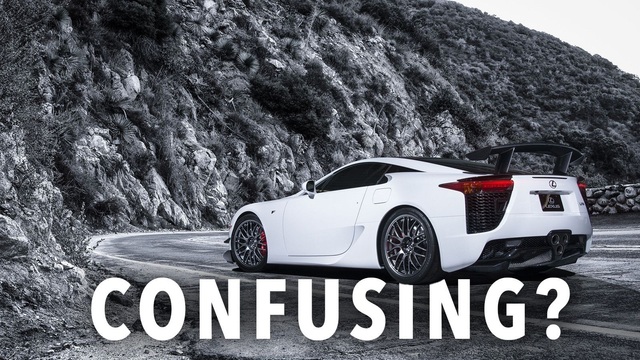
Top 10 Most Confusing Things Lexus Has Ever Done!
Joe Kucinski
2026 Lexus ES Review: Lexus Re-Embraces Founding Principles
Michael S. Palmer
10 Lexus Bargains That are Cheaper Than a New Toyota RAV4
Joe Kucinski
8 Weirdest Things Lexus Has Ever Built
Verdad Gallardo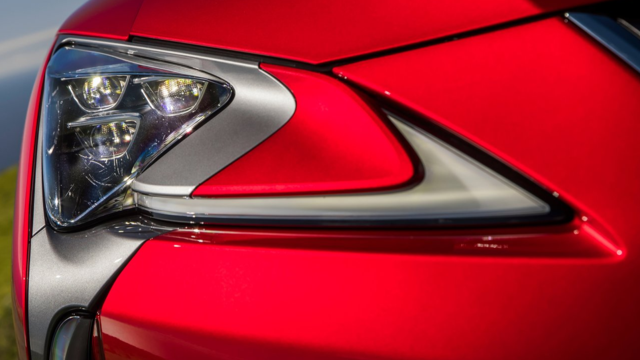
10 Lexus Designs That Have Aged Like Fine Wine
Verdad Gallardo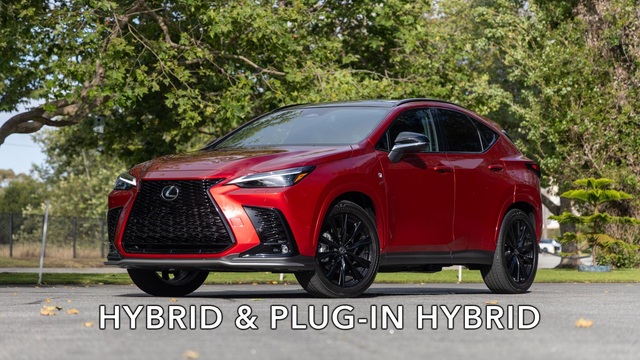
8 Tips for Improving Your Hybrid or Plug-in Hybrid's Efficiency!
Michael S. Palmer
10 Best Lexus Models No One Remembers
Joe Kucinski
TRD Off-Road Premium: Best 2026 4Runner, Except This One Thing
Michael S. Palmer
Top 10 Lexus & Toyotas to Drive Before You Die!
Joe Kucinski
Advanced
Joined: Oct 2009
Posts: 552
Likes: 195
From: NC/SC
Sounds about like my F32 435i. The BM3 tune made a massive difference. Haven’t put it on a dyno but assume it’s cranking out 400+ now. That’s my toy. The RX is my wife’s so while performance enhancement would be nice, it’s not a necessity.
Pit Crew
Joined: May 2007
Posts: 142
Likes: 52
From: NY
OP: I think if you want a more enjoyable/responsive driving feel, you can look into a Pedal Commander.
It won't actually give you more power, but you'll feel like it's much faster and responsive. It sharpens up the throttle response tremendously as per however much you want to set it. Just makes the gas pedal more sensitive. I have had it on my previous car and it made a world of a difference.
It won't actually give you more power, but you'll feel like it's much faster and responsive. It sharpens up the throttle response tremendously as per however much you want to set it. Just makes the gas pedal more sensitive. I have had it on my previous car and it made a world of a difference.


Instructor


Joined: Dec 2014
Posts: 780
Likes: 261
From: MA


Intermediate
Joined: Jun 2021
Posts: 253
Likes: 184
From: Az
Bear in mind that many folks who bolt up performance mods seem to think the results are additive. By that, I mean that they bolt up an intake that claims “25 additional hp”, and an exhaust that claims “25 additional hp” and a chip that claims “50 additional hp” and they think “hey I just added 100 hp”. Nope, the intake and chip and exhaust all are required to get any additional horsepower, they support each other. It’s seldom that adding an exhaust or chip or intake alone will add significant horsepower if no other mods are made. And sometimes a chip is merely changing the torque curve so it feels more responsive at low/moderate rpm but the top-end horsepower has actually dropped. Or, in some cases, merely bolting up a louder exhaust sounds faster (it’s louder) but in fact the dyno numbers show the horsepower has been reduced because the engine can’t support the free-flowing exhaust. I hear decel popping on a lot of cars with loud exhausts and wonder if they actually can now go any faster than they would’ve been with the quiet stock exhaust.
Racer
Joined: Dec 2009
Posts: 1,340
Likes: 71
From: Texas
Bear in mind that many folks who bolt up performance mods seem to think the results are additive. By that, I mean that they bolt up an intake that claims “25 additional hp”, and an exhaust that claims “25 additional hp” and a chip that claims “50 additional hp” and they think “hey I just added 100 hp”. Nope, the intake and chip and exhaust all are required to get any additional horsepower, they support each other. It’s seldom that adding an exhaust or chip or intake alone will add significant horsepower if no other mods are made. And sometimes a chip is merely changing the torque curve so it feels more responsive at low/moderate rpm but the top-end horsepower has actually dropped. Or, in some cases, merely bolting up a louder exhaust sounds faster (it’s louder) but in fact the dyno numbers show the horsepower has been reduced because the engine can’t support the free-flowing exhaust. I hear decel popping on a lot of cars with loud exhausts and wonder if they actually can now go any faster than they would’ve been with the quiet stock exhaust.

Pit Crew
Joined: Jul 2012
Posts: 184
Likes: 23
From: Ontario
The only realistic way to get noticeable power gain from a tune on NA motor is by adding ignition timing. This means you have to run even higher octane fuel to prevent knock. There may be some possible gains from adjusting fueling if the tuner has spent time with the motor on a dyno but timing is the main source of any NA tune gains.

Thread
Thread Starter
Forum
Replies
Last Post
Meraki Autoworks
RC - 1st Gen (2015-present)
24
Feb 14, 2017 11:06 PM
StellaBlue
RC - 1st Gen (2015-present)
3
Apr 23, 2015 12:55 PM
Nova Natty
SC - 1st Gen (1992-2000)
7
Mar 18, 2008 05:40 PM
