


Polestar 2 fastback


CL Community Team


Joined: Aug 2006
Posts: 12,545
Likes: 229
From: San Francisco, CA


Thread Starter
Joined: Oct 2008
Posts: 42,476
Likes: 321
From: California
 Performance Pack priced in Europe

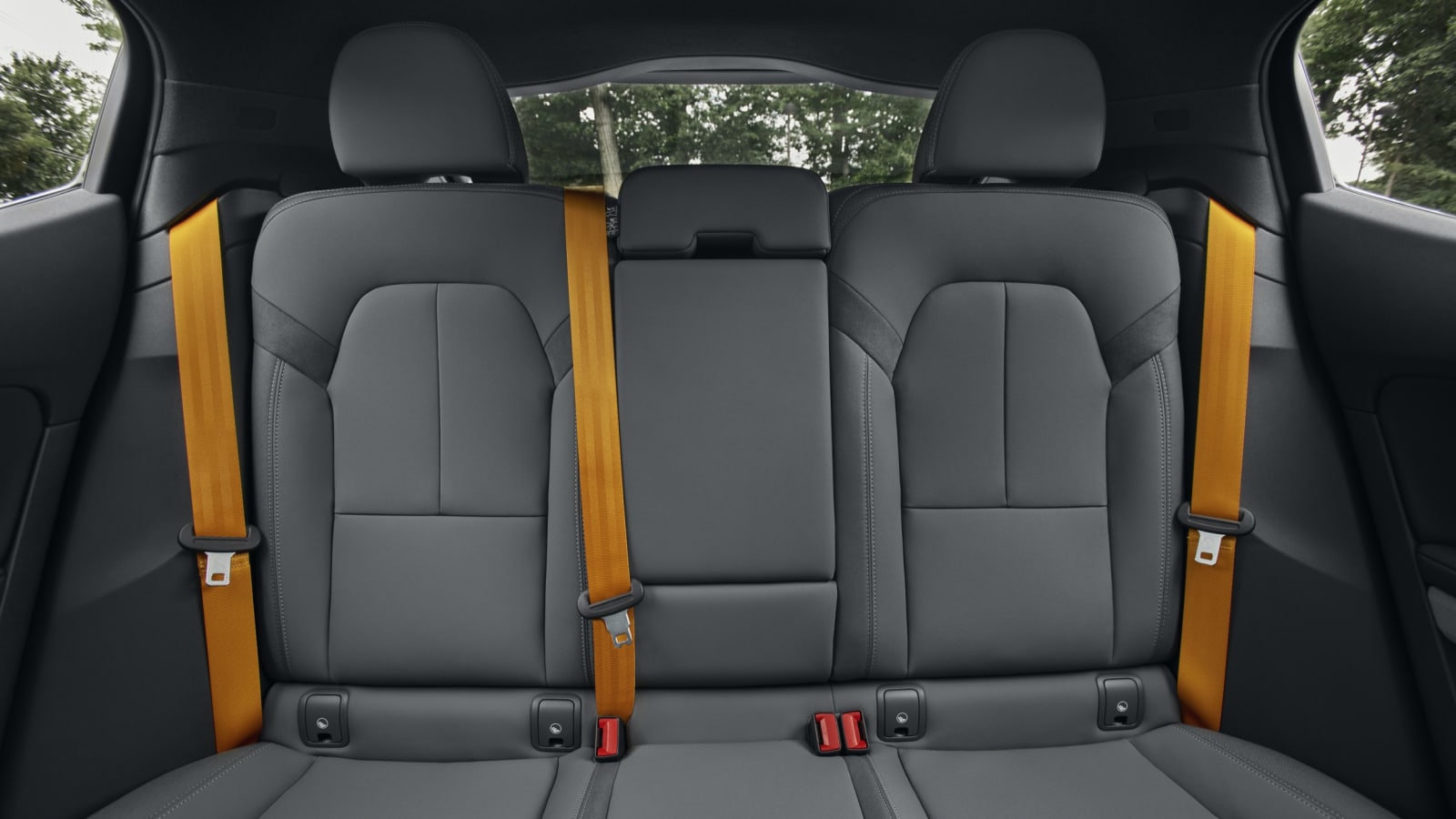
The Performance Pack includes four-piston Brembo calipers for the front axle, an adjustable suspension provided by Öhlins, and specific 20-inch alloy wheels. Joakim Rydholm, Polestar's chassis development boss, explained the aforementioned parts give the 2 a "golden ride" that strikes an ideal balance between comfort and handling. Cars equipped with the Performance Pack also receive gold seat belts, and gold valve caps.
There are no drivetrain modifications to report. Built on Volvo's CMA platform, which also underpins the gasoline- and battery-powered variants of the stylish XC40 crossover, the 2 relies on a 78-kilowatt-hour, lithium-ion battery pack that zaps a pair of electric motors into motion. Its output checks in at 408 horsepower and 487 pound-feet of torque, and it delivers through-the-road all-wheel drive. Polestar previously quoted 275-mile driving range, and a zero-to-62-mph time of under five seconds.
In Europe, Polestar earmarked Norway, Sweden, Germany, the United Kingdom, Holland, and Belgium as launch markets for the Chinese-built 2. Deliveries are scheduled to begin in 2020. Pricing for the Performance Pack hovers around 6,000 euros, which represents approximately $6,600. The company will release pricing information for the North American and Chinese markets at a later date, but European figures shed light on what to expect when the hatchback reaches our shores.
There are no drivetrain modifications to report. Built on Volvo's CMA platform, which also underpins the gasoline- and battery-powered variants of the stylish XC40 crossover, the 2 relies on a 78-kilowatt-hour, lithium-ion battery pack that zaps a pair of electric motors into motion. Its output checks in at 408 horsepower and 487 pound-feet of torque, and it delivers through-the-road all-wheel drive. Polestar previously quoted 275-mile driving range, and a zero-to-62-mph time of under five seconds.
In Europe, Polestar earmarked Norway, Sweden, Germany, the United Kingdom, Holland, and Belgium as launch markets for the Chinese-built 2. Deliveries are scheduled to begin in 2020. Pricing for the Performance Pack hovers around 6,000 euros, which represents approximately $6,600. The company will release pricing information for the North American and Chinese markets at a later date, but European figures shed light on what to expect when the hatchback reaches our shores.

Intermediate


Joined: May 2001
Posts: 316
Likes: 76
From: New Jersey
Production begins in China despite Covid-19
Last edited by MDlexus; Mar 26, 2020 at 06:18 AM. Reason: Addition


Lexus Test Driver
Joined: Jan 2007
Posts: 7,460
Likes: 232
From: CA

I like the car. I think it hits a good balance of range, style, and decent performance (not really that fast). If the dynamics are good, it should do about as well as an iPace.
Intermediate
Joined: May 2001
Posts: 316
Likes: 76
From: New Jersey
I actually like the looks of the Polestar 2. Since I am very interested in a full electric vehicle as my next car, I am seriously considering it.
I think it looks better than the Model 3 and I'm sure the fit and finish will be better as well.
I currently drive an S 90 T8 which I've had 1 yr 10 mos and haven't had any issues thus far which was my main concern in terms of reliability. It is extremely fuel efficient for such a large sedan, great power, luxurious and an awesome B&W audio system.
By no means is Volvo as reliable as Lexus. I've owned 8 in the past. Stereos have always been great too ie: Nakamichi and ML.
I've had 3 hybrids in the past (GS 450h, Infiniti 35h, Infiniti Q70h).
Now I have a plug in hybrid.
So the next obvious car would be full electric.
I still have over a yr on this lease anyway.
We will see what else is available then.
I think it looks better than the Model 3 and I'm sure the fit and finish will be better as well.
I currently drive an S 90 T8 which I've had 1 yr 10 mos and haven't had any issues thus far which was my main concern in terms of reliability. It is extremely fuel efficient for such a large sedan, great power, luxurious and an awesome B&W audio system.
By no means is Volvo as reliable as Lexus. I've owned 8 in the past. Stereos have always been great too ie: Nakamichi and ML.
I've had 3 hybrids in the past (GS 450h, Infiniti 35h, Infiniti Q70h).
Now I have a plug in hybrid.
So the next obvious car would be full electric.
I still have over a yr on this lease anyway.
We will see what else is available then.


Lexus Test Driver


Joined: Mar 2020
Posts: 5,482
Likes: 89
From: N/A
Interior is really excellent as expected of Volvo, but in all other aspects it sounds like the Model 3 still has the advantage. Kind of in that same awkward middle ground as the Jaguar I-Pace.

Thread Starter
Joined: Oct 2008
Posts: 42,476
Likes: 321
From: California
2020 Polestar 2 First Drive
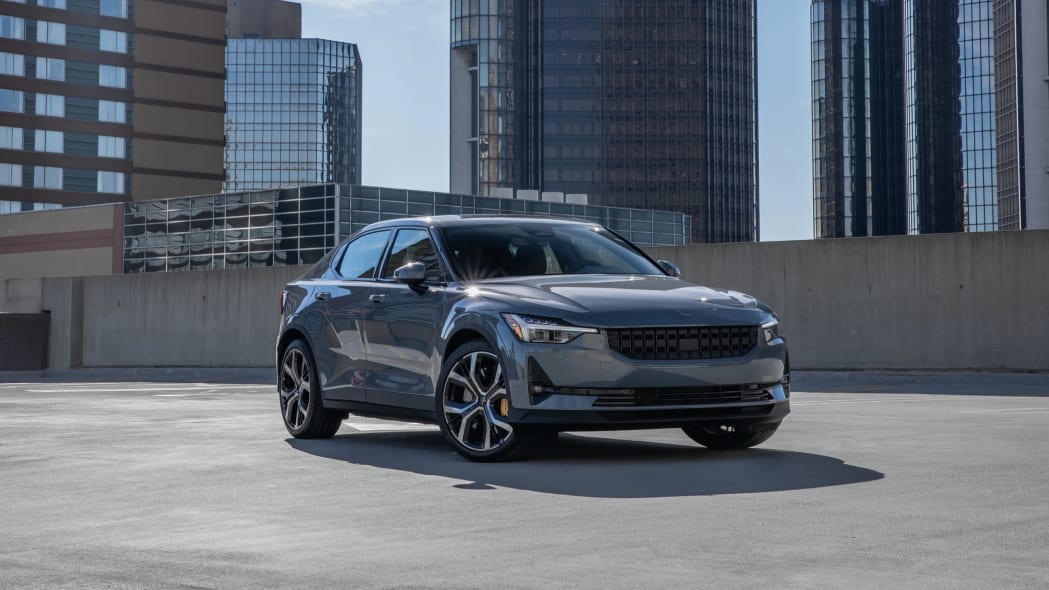


YPSILANTI, Mich. — For some of us, it’s easy to get excited about new EVs, even if they’re nothing too fancy, fast or mold-breaking. We can easily forgive a Bolt its hum-drum interior, the Kona Electric its oddness or the Model 3 its panel gaps. So when a new EV comes along that is completely fresh inside and out, with outside-the-box stylishness, mercifully user-friendly tech and excellent driving dynamics, it puts those other EVs we thought we loved in a new light.
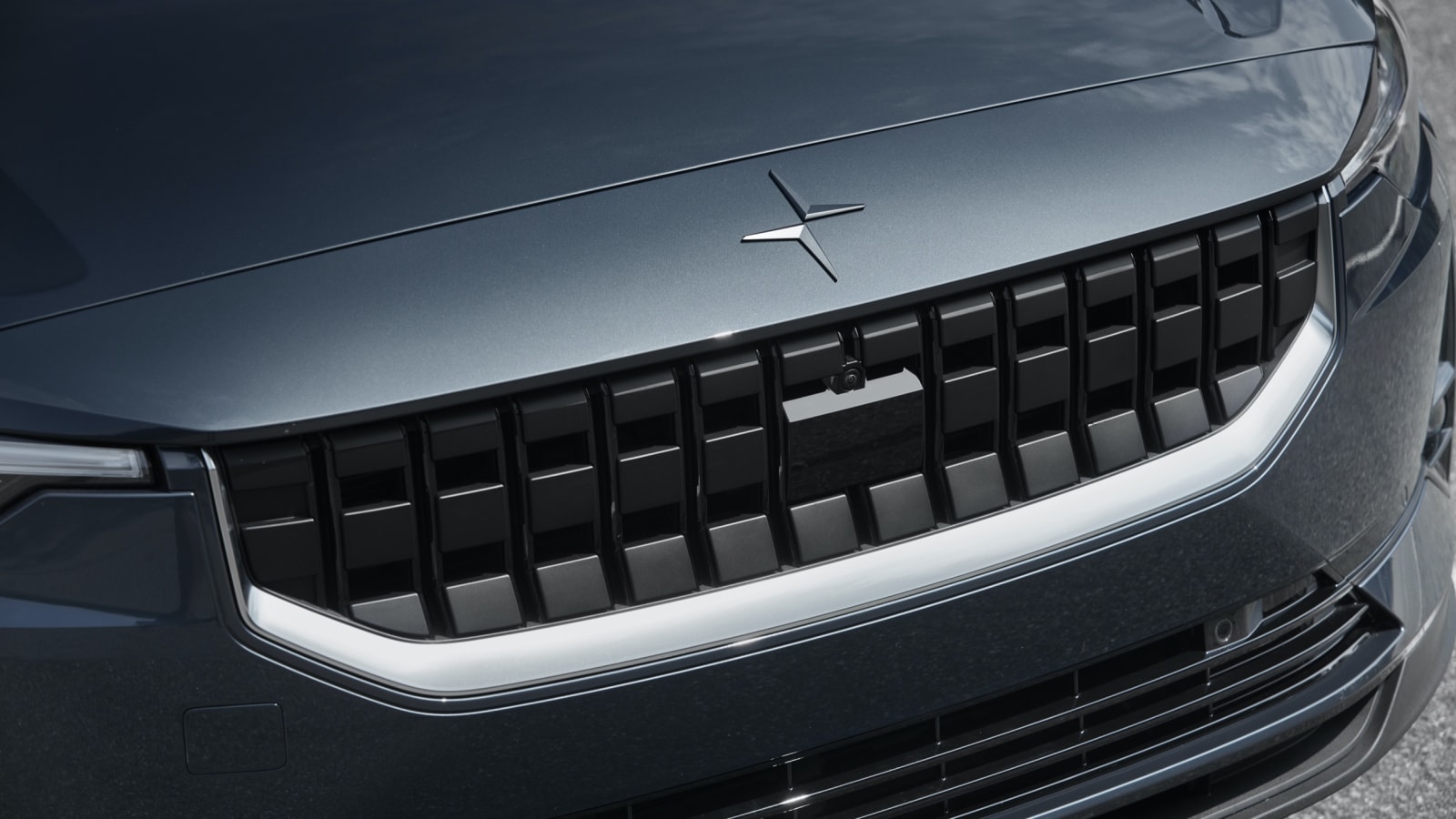
The exterior looks don’t resonate with everyone’s personal taste, but it’s a successful execution, either way. The body is big and blocky, which reads as indubitably muscular, with a slim greenhouse perched atop the high beltline. There’s no frilliness here — no chrome, no swoopy fender flares, obnoxious spoilers, diffusers, splitters or lines for the sake of lines. Even the graphics are very subdued, with a body-color Polestar logo on the nose and trunk. The world “Polestar” appears in tiny print inside the headlight module, and on minuscule (removable) decals at the bottom of the front doors, where battery capacity and power (in kilowatts) are also listed. If you like Swedish minimalism in a broody mood, lock narrowed eyes with the Polestar 2 and soak it in.
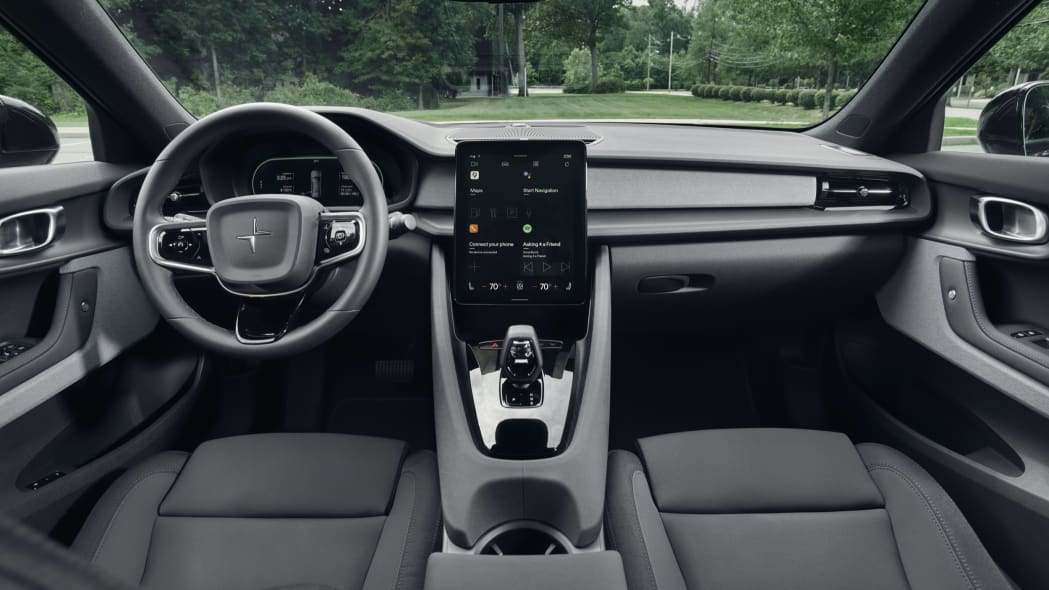
Inside, our tester looks slick and savvy. We’re instantly in love with not only the design, but also the material choices. A Nappa leather option is available, but the vegan interior would be what we’d pick. High-quality “Weavetech” fabric adorns the seats, of course, but the thick strip extending across the dash behind the 11-inch infotainment touchscreen is what holds our eye. It’s a bold choice to showcase a material in such a way, but, with the help of the accompanying recycled black ash wood trim, the Polestar 2 pulls it off successfully. We see few of the 13 Harman Kardon speakers, as most are hidden behind fabric. The bright gold seatbelts contrast the otherwise Stygian cabin. The giant, shadeless, tinted glass roof was hard to notice from the exterior, but it’s unmissable when you sit inside. It all puts us in the mood to drive — fast.
Pulling out onto the road and slinking past the railroad tracks like a stray cat on the hunt, the electric pulse of the turn signal sets our own heartbeat to quickening. We skulk our way out of town quietly to find an open stretch of curving road. The accelerator feels natural in town — not muted, but one can tell it serves as a dam behind which a fury of electrons it waiting to be released. We start our turn onto a familiar road and roll into the right pedal. The Continental SportContact6 rubber bites the pavement, gives just the faintest of mews, and we plow our foot to the floor as the finish our turn.
Our guts meet our spine, and our eyeballs just begin to feel like they’re floating in our head as the Polestar 2’s twin electric motors motivate all four wheels with a demanding whine. We’re experiencing the majority of the car’s 408 horsepower and 487 pound-feet of torque. With no shifts, there’s no relenting to the force until power tapers at higher rpm. Polestar claims a 0-60-mile-per-hour time of 4.45 seconds, but unless you’re actually counting, it feels faster, especially when your glasses fly off the top of your head. We’re a dark blur, man and machine, a sinister dyad cutting a path between green fields under a blue and white sky.
The Polestar quickly sorts itself as an electric performance machine. It’s an aquavit-infused answer to the traditional muscle sedan, but with no tailpipe emissions. It uses two 204-horsepower electric motors — one at each axle — giving it all-wheel drive and 487 pound-feet of instant torque. It’s liquid-cooled battery pack provides 75 kilowatt-hours of useable capacity (actual capacity is 78 kWh), providing an expected EPA range figure in the mid-200-mile ballpark. Our tester has the Performance Package, a $5,000 option adding Brembo four-piston brake calipers and drilled rotors, 20-inch lightweight alloy wheels wrapped in the aforementioned Continental rubber, and manually adjustable Öhlins dampers.
Acceleration rips are a fine warm-up, but the twistier the road gets, the more fun this car is. With all-wheel drive, a 51/49 front/rear weight distribution, low center of gravity and effective brake-based torque vectoring, the Polestar 2 pulls itself through an aggressive corner with minimal understeer, and just the right amount of audible communication from the tires. With its Öhlins dampers set in the middle of their 22 firmness settings, it’s mostly compliant, but a bit on the hard side when you hit a bump mid-corner.
There aren’t pre-programmed drive modes, but there are a number of settings adjustable within the infotainment system. The electric power steering has three modes of feel — we favored firm. You can turn the stability control off. Then there are two EV-specific settings. The “One pedal drive” setting can be put to normal — which does, in fact, allow you to do most driving without touching the brake pedal — low for less regen feel, or off if you prefer to coast like a boring old internal combustion car. Finally, you can turn creep on or off, to make it move forward slowly when your foot is off the brakes or not.
The Polestar 2 is, notably, the first car to implement Google’s Android Automotive Operating System. The result is an infotainment user interface that’s robust, sleek, connected and a lot easier to use than Volvo’s Sensus system. Your author, an Android novice, was quickly enamored with it. It uses Google Maps navigation, Google Play for accessing third-party apps, and Google assistant for voice commands. The latter is particularly impressive, easily recognizing commands spoken in natural language much better than Apple’s Siri or most OEM systems. Not that we ever got bored driving the Polestar, but if we did, we could spend hours asking Google about basically anything. Die-hard Apple users can enjoy wireless CarPlay when it’s added via an over-the-air update early next year.
The digital dash puts the most important information right in front of you on a crisp screen, which helps mitigate any hurt feelings over the omission of a head-up display (and makes us feel perfectly content that we’re not in a Tesla Model 3). The Polestar 2 borrows its Pilot Assist suite of advanced driver assistance features from Volvo. This includes adaptive cruise control with lane keeping assist, functions that worked well during our non-rush-hour highway drive. We didn’t have to put the numerous active or passive safety features to the test, but it’s assuring to know that the Polestar 2 inherits technology from Volvo’s decades as an industry leader in safety. Finally, the Polestar will allow you to use your phone as a key, a small mercy to our overstuffed pockets.
The Polestar 2 starts at a base price of $61,200 (including $1,300 destination) for the Launch Edition, which is the only edition for its first model year. That includes the Pilot (driver assist) and Plus (luxury) packages. The Performance package costs another $5,000. All but the “Void” black exterior color ask another $1,200, and the Nappa leather interior costs $4,000. If you want to upgrade from 19- to 20-inch wheels without the Performance pack, that’s a $1,200 option. It is eligible for the full $7,500 EV tax credit in the United States.
The first U.S.-bound Polestar 2s are on boats heading to ports, with deliveries beginning in late September. After spending a few hours practicing harmless dark magics with this all-electric, no-nonsense phantom, we only wish one of those was destined for our garage. Simply put, it satisfies the important needs — performance, design, and technology — without stuffing any unasked-for features down our throats. It’s Swedish minimalism at its best, in both form and function. The only thing for which the Polestar 2 leaves us wanting more is seat time.
The exterior looks don’t resonate with everyone’s personal taste, but it’s a successful execution, either way. The body is big and blocky, which reads as indubitably muscular, with a slim greenhouse perched atop the high beltline. There’s no frilliness here — no chrome, no swoopy fender flares, obnoxious spoilers, diffusers, splitters or lines for the sake of lines. Even the graphics are very subdued, with a body-color Polestar logo on the nose and trunk. The world “Polestar” appears in tiny print inside the headlight module, and on minuscule (removable) decals at the bottom of the front doors, where battery capacity and power (in kilowatts) are also listed. If you like Swedish minimalism in a broody mood, lock narrowed eyes with the Polestar 2 and soak it in.
Inside, our tester looks slick and savvy. We’re instantly in love with not only the design, but also the material choices. A Nappa leather option is available, but the vegan interior would be what we’d pick. High-quality “Weavetech” fabric adorns the seats, of course, but the thick strip extending across the dash behind the 11-inch infotainment touchscreen is what holds our eye. It’s a bold choice to showcase a material in such a way, but, with the help of the accompanying recycled black ash wood trim, the Polestar 2 pulls it off successfully. We see few of the 13 Harman Kardon speakers, as most are hidden behind fabric. The bright gold seatbelts contrast the otherwise Stygian cabin. The giant, shadeless, tinted glass roof was hard to notice from the exterior, but it’s unmissable when you sit inside. It all puts us in the mood to drive — fast.
Pulling out onto the road and slinking past the railroad tracks like a stray cat on the hunt, the electric pulse of the turn signal sets our own heartbeat to quickening. We skulk our way out of town quietly to find an open stretch of curving road. The accelerator feels natural in town — not muted, but one can tell it serves as a dam behind which a fury of electrons it waiting to be released. We start our turn onto a familiar road and roll into the right pedal. The Continental SportContact6 rubber bites the pavement, gives just the faintest of mews, and we plow our foot to the floor as the finish our turn.
Our guts meet our spine, and our eyeballs just begin to feel like they’re floating in our head as the Polestar 2’s twin electric motors motivate all four wheels with a demanding whine. We’re experiencing the majority of the car’s 408 horsepower and 487 pound-feet of torque. With no shifts, there’s no relenting to the force until power tapers at higher rpm. Polestar claims a 0-60-mile-per-hour time of 4.45 seconds, but unless you’re actually counting, it feels faster, especially when your glasses fly off the top of your head. We’re a dark blur, man and machine, a sinister dyad cutting a path between green fields under a blue and white sky.
The Polestar quickly sorts itself as an electric performance machine. It’s an aquavit-infused answer to the traditional muscle sedan, but with no tailpipe emissions. It uses two 204-horsepower electric motors — one at each axle — giving it all-wheel drive and 487 pound-feet of instant torque. It’s liquid-cooled battery pack provides 75 kilowatt-hours of useable capacity (actual capacity is 78 kWh), providing an expected EPA range figure in the mid-200-mile ballpark. Our tester has the Performance Package, a $5,000 option adding Brembo four-piston brake calipers and drilled rotors, 20-inch lightweight alloy wheels wrapped in the aforementioned Continental rubber, and manually adjustable Öhlins dampers.
Acceleration rips are a fine warm-up, but the twistier the road gets, the more fun this car is. With all-wheel drive, a 51/49 front/rear weight distribution, low center of gravity and effective brake-based torque vectoring, the Polestar 2 pulls itself through an aggressive corner with minimal understeer, and just the right amount of audible communication from the tires. With its Öhlins dampers set in the middle of their 22 firmness settings, it’s mostly compliant, but a bit on the hard side when you hit a bump mid-corner.
There aren’t pre-programmed drive modes, but there are a number of settings adjustable within the infotainment system. The electric power steering has three modes of feel — we favored firm. You can turn the stability control off. Then there are two EV-specific settings. The “One pedal drive” setting can be put to normal — which does, in fact, allow you to do most driving without touching the brake pedal — low for less regen feel, or off if you prefer to coast like a boring old internal combustion car. Finally, you can turn creep on or off, to make it move forward slowly when your foot is off the brakes or not.
The Polestar 2 is, notably, the first car to implement Google’s Android Automotive Operating System. The result is an infotainment user interface that’s robust, sleek, connected and a lot easier to use than Volvo’s Sensus system. Your author, an Android novice, was quickly enamored with it. It uses Google Maps navigation, Google Play for accessing third-party apps, and Google assistant for voice commands. The latter is particularly impressive, easily recognizing commands spoken in natural language much better than Apple’s Siri or most OEM systems. Not that we ever got bored driving the Polestar, but if we did, we could spend hours asking Google about basically anything. Die-hard Apple users can enjoy wireless CarPlay when it’s added via an over-the-air update early next year.
The digital dash puts the most important information right in front of you on a crisp screen, which helps mitigate any hurt feelings over the omission of a head-up display (and makes us feel perfectly content that we’re not in a Tesla Model 3). The Polestar 2 borrows its Pilot Assist suite of advanced driver assistance features from Volvo. This includes adaptive cruise control with lane keeping assist, functions that worked well during our non-rush-hour highway drive. We didn’t have to put the numerous active or passive safety features to the test, but it’s assuring to know that the Polestar 2 inherits technology from Volvo’s decades as an industry leader in safety. Finally, the Polestar will allow you to use your phone as a key, a small mercy to our overstuffed pockets.
The Polestar 2 starts at a base price of $61,200 (including $1,300 destination) for the Launch Edition, which is the only edition for its first model year. That includes the Pilot (driver assist) and Plus (luxury) packages. The Performance package costs another $5,000. All but the “Void” black exterior color ask another $1,200, and the Nappa leather interior costs $4,000. If you want to upgrade from 19- to 20-inch wheels without the Performance pack, that’s a $1,200 option. It is eligible for the full $7,500 EV tax credit in the United States.
The first U.S.-bound Polestar 2s are on boats heading to ports, with deliveries beginning in late September. After spending a few hours practicing harmless dark magics with this all-electric, no-nonsense phantom, we only wish one of those was destined for our garage. Simply put, it satisfies the important needs — performance, design, and technology — without stuffing any unasked-for features down our throats. It’s Swedish minimalism at its best, in both form and function. The only thing for which the Polestar 2 leaves us wanting more is seat time.
Intermediate
Joined: May 2001
Posts: 316
Likes: 76
From: New Jersey
I've been reading and watching new reviews coming out almost every day. As I mentioned, in a previous post a while back, I continue to be very interested in this car.
My current lease, a fully loaded 2018 S90 T8, ends next June. I have to say, the last 2 years have been very enjoyable in the T8. I can't wait to test drive this car. This will most likely be my next vehicle. I've had GS 450h, Infiniti M35h, Q70h, and T8. Next obvious choice would be full electric. In my opinion, it looks much nicer than the Tesla, hands down. Anyone else as interested in this car??
My current lease, a fully loaded 2018 S90 T8, ends next June. I have to say, the last 2 years have been very enjoyable in the T8. I can't wait to test drive this car. This will most likely be my next vehicle. I've had GS 450h, Infiniti M35h, Q70h, and T8. Next obvious choice would be full electric. In my opinion, it looks much nicer than the Tesla, hands down. Anyone else as interested in this car??

Lead Lap
Joined: Apr 2002
Posts: 4,892
Likes: 14
From: Virginia
We're interested in this car as well, just need to see how car seats might fit in the back. The footprint is pretty small, so it might not be great. Interesting to see your Hybrid journey @MDlexus!


Lexus Test Driver
Joined: Jan 2007
Posts: 7,460
Likes: 232
From: CA
The Volvo Recharge coming out is built on the same platform and will be bigger. Perhaps worth a look.